
The allure of haunted locations lies in the captivating intersection of dark history, architectural ruin, and chilling, unexplained phenomena. Across the globe, certain sites carry a reputation so sinister that they have become legendary within paranormal circles, drawing historians, thrill-seekers, and researchers alike into their shadows.
To help you expand this into a comprehensive, high-engagement script or long-form piece, here is a meticulously refined, deeply detailed, and structurally expanded breakdown of 10 of the Most Haunted Locations on Earth.
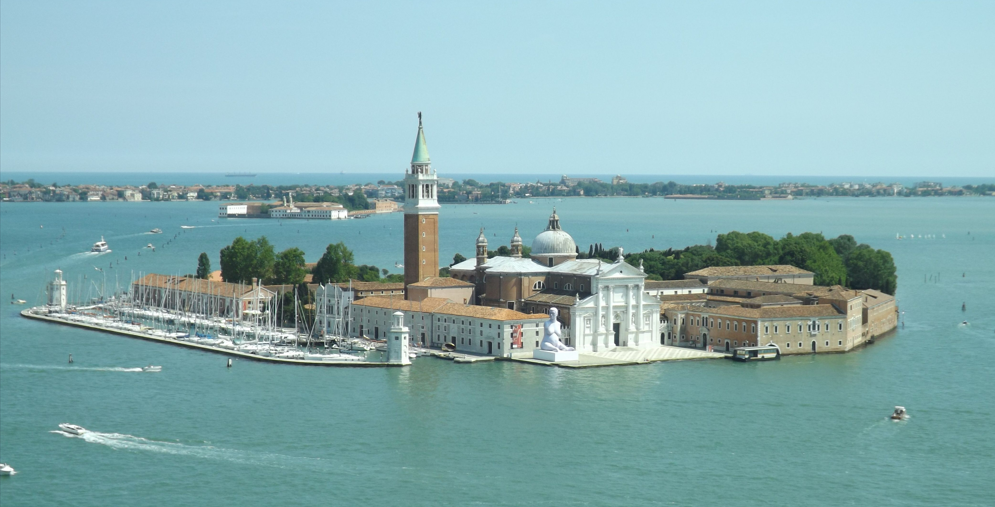
1. Poveglia Island (Venice, Italy)
The History
Located in the eerie waters of the Venetian Lagoon near Venice, Italy, Poveglia Island has earned a reputation as one of the most haunted places in the world due to its horrifying past. During multiple outbreaks of the Bubonic Plague between the 14th and 18th centuries, the island was used as a quarantine station where infected people were isolated from the mainland to prevent the spread of the deadly disease. Thousands of plague victims, along with those suspected of carrying the illness, were brought to the island, where many died in agony. Historical accounts suggest that enormous burial pits were dug to accommodate the overwhelming number of bodies, and many corpses were reportedly burned in mass pyres. It is estimated that more than 100,000 people may have perished on Poveglia over the centuries.
The island’s tragic history did not end there. In the early 1920s, a psychiatric hospital was established on Poveglia. According to local legends, one of the doctors working at the facility became infamous for conducting cruel medical experiments and primitive lobotomies on mentally ill patients using rudimentary tools. Stories claim that he believed he was driven mad by the spirits haunting the island and ultimately threw himself from the hospital’s bell tower to his death. Although many aspects of this tale remain unverified, it has become an enduring part of Poveglia’s dark folklore.
The Haunting
Because of its grim history, Poveglia Island is widely regarded as one of the most paranormally active locations on Earth. Local fishermen have long avoided the surrounding waters, with some claiming that human remains and ash from centuries-old mass cremations still surface in their nets. A popular legend even suggests that much of the island’s soil consists of human ash mixed with earth, although this claim has never been scientifically confirmed.
Paranormal investigators and the few visitors who have gained temporary access to the abandoned island often describe an overwhelming sense of fear and unease the moment they arrive. Reports include unexplained whispers echoing through empty buildings, disembodied screams, shadowy figures moving through the ruins, sudden cold spots, and mysterious sensations of being watched. Some individuals have even claimed they were physically touched, pushed, or seemingly choked by invisible forces while exploring the island.
Today, Poveglia remains abandoned and is generally closed to the public, with access heavily restricted by Italian authorities. Its combination of documented historical tragedy and chilling local legends has cemented its status as one of the world’s most infamous haunted locations, continuing to fascinate historians, ghost hunters, and thrill seekers alike.
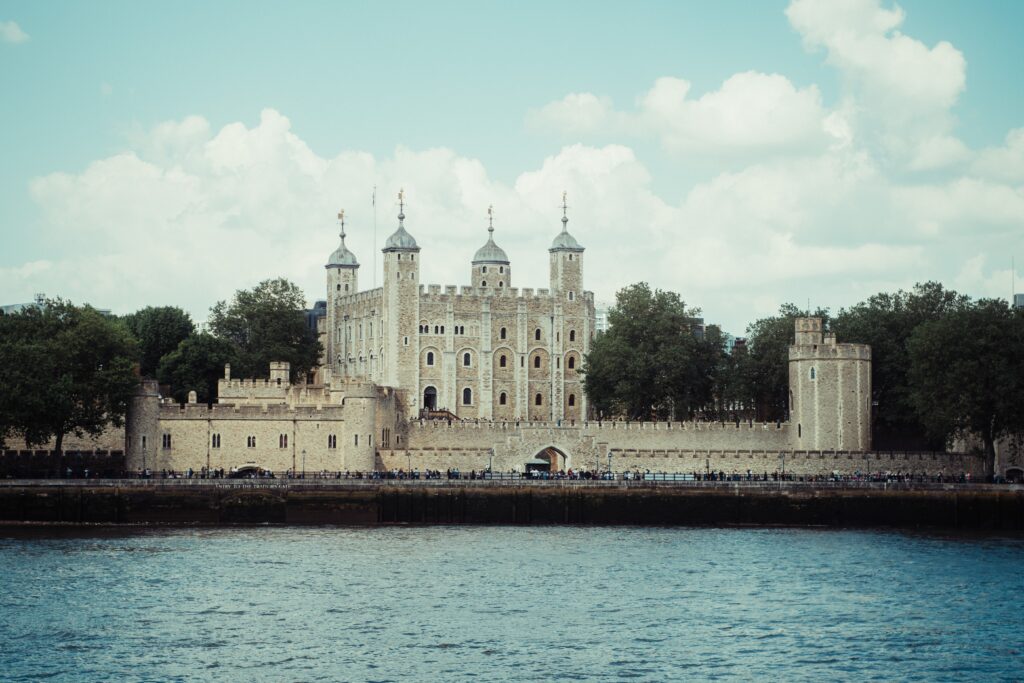
2. The Tower of London (London, England)
The History
Originally constructed by William the Conqueror in the late 11th century following the Norman Conquest of England, the Tower of London has stood for more than 900 years as one of the country’s most infamous landmarks. Although it was initially built as a royal fortress and symbol of Norman power, the Tower soon gained a darker reputation as a prison, execution site, and place of torture. Throughout the centuries, countless prisoners—including nobles, political rivals, traitors, and even members of the royal family—were confined within its imposing stone walls. Many met tragic ends through imprisonment, torture, or public execution, making the Tower a lasting symbol of fear, betrayal, and political intrigue in English history.
The Haunting
Given its long and bloody past, it is perhaps unsurprising that the Tower of London is widely regarded as one of the most haunted places in the world. The most famous ghost said to wander its grounds is Anne Boleyn, the second wife of King Henry VIII, who was executed there in 1536 after being accused of treason and adultery. According to numerous reports from guards and visitors over the centuries, her headless spirit has been seen silently roaming near the Queen’s House, carrying her severed head beneath her arm.
Another chilling legend involves the mysterious Princes in the Tower—the young brothers Edward V and Richard, Duke of York—who disappeared without explanation in 1483 while imprisoned in the Tower. Many believe they were murdered, and sightings of two pale children dressed in white have fueled stories that their restless spirits still linger in the ancient corridors.
The ghost of Lady Jane Grey, often remembered as the “Nine Days’ Queen,” is also said to haunt the Tower. Executed at just 16 years old in 1554, she is reportedly seen near the site of her execution, appearing as a sorrowful young woman dressed in white. Alongside these famous apparitions, visitors and staff have reported unexplained footsteps, shadowy figures, mysterious whispers, and sudden drops in temperature, adding to the Tower’s enduring reputation as one of Britain’s most chilling paranormal locations.
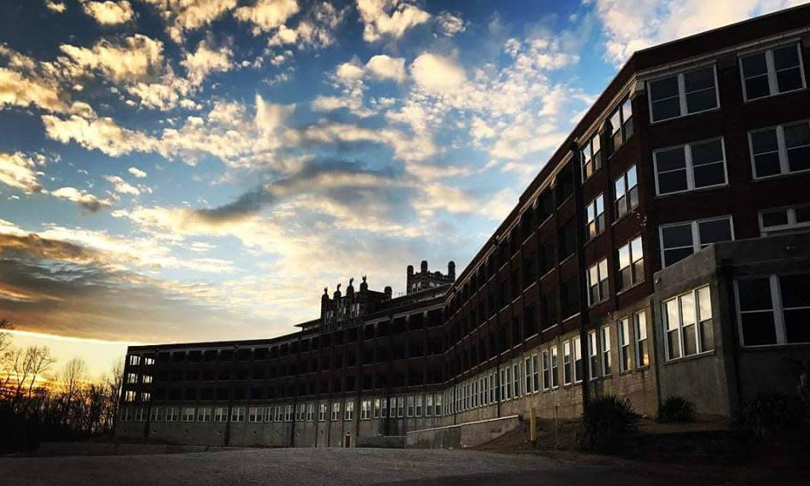
3. Waverly Hills Sanatorium (Louisville, Kentucky, USA)
The History:
Originally opened in 1910, Waverly Hills Sanatorium was built as a large, isolated medical facility to combat the devastating tuberculosis epidemic, often referred to as the “White Plague.” At a time when no effective antibiotics existed, doctors relied on experimental treatments such as prolonged exposure to fresh air, invasive surgeries, and other risky procedures that frequently failed to save patients. As the disease spread rapidly across the United States, Waverly Hills became overcrowded, housing hundreds of critically ill patients at any given time.
Over the decades, it is estimated that thousands of people lost their lives within its walls, although the exact number remains the subject of debate. To shield living patients from the emotional trauma of constantly witnessing the dead being removed from the hospital, staff reportedly used a 500-foot underground passageway known as the “Body Chute” or “Death Tunnel.” Through this dimly lit tunnel, deceased patients were discreetly transported on gurneys to waiting hearses at the bottom of the hill, creating one of the most chilling legends associated with the building.
The Haunting:
Today, Waverly Hills is regarded as one of the most infamous allegedly haunted locations in the United States and has become a magnet for paranormal investigators, ghost hunters, and thrill-seekers from around the world. Visitors have reported experiencing unexplained cold spots, shadowy figures, disembodied voices, mysterious footsteps, and eerie whispers echoing through the abandoned corridors.
Among the most notorious locations is Room 502, where legend claims that a pregnant nurse took her own life after learning she was unmarried and expecting a child. Although historical evidence for the story remains uncertain, many visitors claim to feel an overwhelming sense of sadness and have reported seeing a woman’s apparition near the room.
The Death Tunnel is another hotspot for unexplained activity. Witnesses describe hearing the metallic sounds of rolling gurneys, distant cries, and footsteps despite the tunnel being empty. Some even report seeing mist-like figures moving through the darkness.
Perhaps the most terrifying legend is that of “The Creeper,” a mysterious shadow entity allegedly seen crawling along walls, ceilings, and floors in unnatural ways. Those who claim to have encountered it describe an overwhelming feeling of dread and fear, making it one of the most unsettling paranormal reports associated with Waverly Hills. Whether these stories are rooted in supernatural phenomena or the power of suggestion, the sanatorium continues to fuel fascination and remains one of the world’s most talked-about haunted sites.
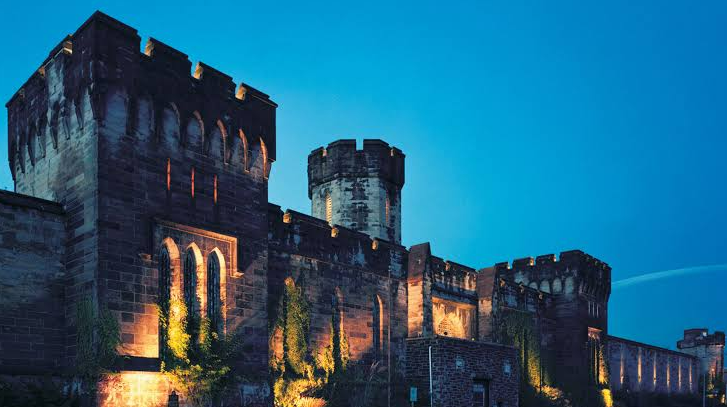
4. Eastern State Penitentiary (Philadelphia, Pennsylvania, USA)
The History:
It was orignally opened in 1829, Eastern State Penitentiary was a groundbreaking institution that forever changed the concept of imprisonment. Designed under the belief that complete isolation would inspire remorse and rehabilitation, it introduced the radical system of absolute solitary confinement. Prisoners lived alone in vaulted stone cells with no opportunity for conversation or social interaction. Whenever they were escorted outside their cells, guards placed heavy hoods over their heads to ensure they could neither see nor be seen by other inmates.
Rather than reforming criminals, the harsh conditions often inflicted devastating psychological damage. The endless silence, isolation, and lack of human contact drove many prisoners into severe depression, hallucinations, and insanity. In addition to the mental suffering, inmates were subjected to cruel disciplinary methods. Among the most feared punishments was the “Mad Chair,” where prisoners were strapped tightly to a chair for days with minimal food or water until circulation was nearly cut off. Another infamous method, known as the “Water Bath,” involved dunking inmates into freezing cold water before hanging them against a wall during winter nights, allowing the icy air to form a chilling layer over their bodies. These brutal practices cemented the prison’s reputation as one of the harshest correctional facilities in American history.
The Haunting:
Reports of unexplained paranormal activity began circulating long before the prison officially closed its doors in 1971. Both inmates and correctional officers claimed to hear mysterious voices, echoing footsteps, and unsettling cries coming from empty corridors where no one was present. As the decades passed, these stories only intensified, transforming Eastern State Penitentiary into one of the most notorious allegedly haunted locations in the world.
Today, countless visitors and paranormal investigators describe hearing disembodied laughter, distant weeping, metallic cell doors slamming shut on their own, and invisible footsteps pacing through abandoned cellblocks. Cellblock 12 has become especially famous for sightings of solid black shadow figures that seem to appear and disappear without explanation, while Cellblock 4 is known for repeated reports of a ghostly guard silently standing watch before vanishing into thin air. Other visitors have reported sudden cold spots, unexplained whispers close to their ears, and an overwhelming feeling of being watched, adding to the prison’s chilling legacy and making it a favorite destination for ghost hunters from around the world.
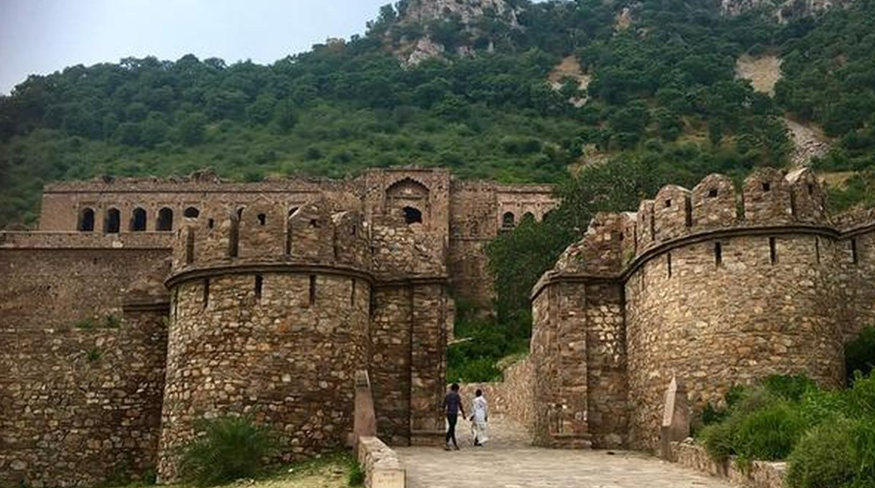
5. Bhangarh Fort (Rajasthan, India)
The Cursed Ruins of Bhangarh Fort
The History
Nestled among the rugged hills of Rajasthan, India, Bhangarh Fort stands as one of the world’s most infamous abandoned cities. Built in the 17th century by Raja Madho Singh, the fortified city was once a thriving center of culture, trade, and royal life. Magnificent palaces, bustling markets, temples, and grand residences filled the city, making it one of the region’s most prosperous settlements.
However, Bhangarh’s prosperity was not destined to last. According to a chilling local legend, a powerful sorcerer named Singhia became obsessively enamored with Princess Ratnavati, renowned throughout the kingdom for her extraordinary beauty and intelligence. Knowing that the princess would never return his affection, the sorcerer attempted to use black magic and a love potion to make her fall in love with him.
The princess discovered the scheme before the potion could reach her and cleverly thwarted the sorcerer’s plan. Enraged and mortally wounded by the consequences of his own failed magic, Singhia uttered a terrifying curse with his dying breath. He proclaimed that Bhangarh would soon be destroyed and that no soul living within its walls would ever find peace or reincarnation.
Not long afterward, tragedy struck. A devastating war engulfed the region, and the city was attacked. Thousands of residents, including members of the royal family, were reportedly killed. The once-thriving city was abandoned, never to regain its former glory. Over time, nature reclaimed the ruins, leaving behind only crumbling walls and eerie silence.
The Haunting
Today, Bhangarh Fort is widely regarded as one of the most haunted locations in India. Its reputation is so notorious that the Archaeological Survey of India (ASI) has placed an official warning sign at the entrance prohibiting visitors from entering or remaining within the fort grounds between sunset and sunrise.
The stories surrounding the fort are as unsettling as they are persistent. Local residents claim that anyone who dares to stay inside after dark risks mysterious disappearance, severe illness, or even death. Although no such claims have been officially verified, the legends continue to attract thrill-seekers and paranormal investigators from around the world.
Visitors frequently report strange experiences within the ruins. Some claim to hear the distant sound of classical music drifting through the empty corridors late at night. Others describe hearing whispered conversations, unexplained laughter, footsteps echoing through deserted passageways, and the faint clinking of bangles worn by unseen women. Many visitors also report sudden drops in temperature, feelings of being watched, and an overwhelming sense of unease as darkness falls over the ancient city.
Whether these tales are the result of imagination, folklore, or something truly supernatural remains a mystery. Yet one thing is certain: as the sun sets behind the Aravalli Hills and shadows creep across the ruins, Bhangarh Fort transforms from a historical monument into a place of chilling legends, earning its reputation as one of the most haunted sites on Earth.
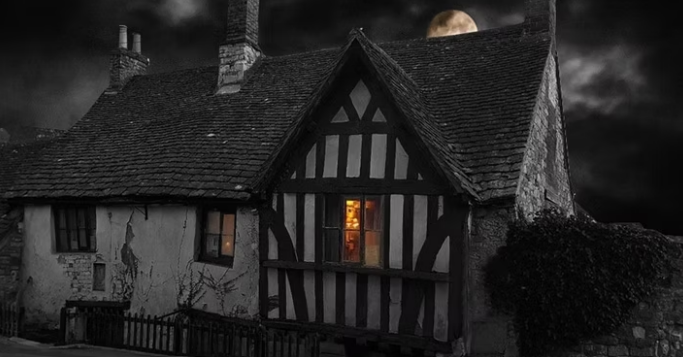
6. Ancient Ram Inn (Gloucestershire, England)
The History: Over Nine Centuries of Dark Groundwork
Dating back to 1145, this architectural anomaly in Wotton-under-Edge, Gloucestershire, originally served as a hearth to house the masons, craftsmen, and slaves building the neighboring St. Mary’s Church. It later transitioned into a secure residence for the parish priest before evolving into a traveler’s inn and public house over its tumultuous 600-year lifespan. However, the building’s foundations hold a legacy far more ancient than its medieval timbers. Esoteric map-makers and ley-line believers note that the inn is constructed directly over a highly unusual intersection of two prominent telluric energy pathways. One line tracks directly to the center of Stonehenge, while the other traces through Glastonbury Tor, a physical crossroads that spiritualists claim acts as a subterranean conductor, magnifying and trapping volatile spiritual energy.
Furthermore, local lore suggests that the structural footprint sits atop a 5,000-year-old Pagan burial ground. Paranormal historians argue that the severe spiritual unrest began centuries ago when a nearby stream was intentionally diverted around the church’s site, dynamically splitting the water’s natural course and inadvertently tearing open a psychic portal for dormant, ancient forces. Over the generations, whispers of sinister happenings have plagued the property. Dark rumors of ritualistic devil worship, witchcraft, and historical murders have left a permanent stain on its structural history—claims that shifted from mere campfire folklore into terrifying physical reality during modern renovations.
The Haunting: The Battles of John Humphries and the Inn’s Entities
The modern legacy of the inn is inextricably tied to its late owner, John Humphries, a retired train driver who purchased the crumbling property in 1968 to rescue it from a local council demolition order. Humphries spent nearly fifty years waging what he described as a literal, nightly war against malevolent, territorial forces. On his very first night in the house, he claimed he was violently seized by the arm and dragged completely out of bed across the cold floorboards by an invisible, demonic grip. Though his family eventually abandoned the house out of pure terror, John remained a solitary guardian. His fears were validated when he excavated the soil beneath the main staircase and discovered a shallow grave containing the skeletal remains of young children alongside broken daggers, a discovery suggesting ancient, ritualistic sacrifice.
The inn has since been classified by paranormal researchers as one of the most violently active hubs in the UK. It is famously avoided by casual travelers due to reports of a highly aggressive incubus and succubus pair that manifest in the main bedroom, physically preying upon and terrifying overnight guests. Echoing through the hallways are a menagerie of distinct spectral entities:
The Witch / High Priestess: Lingering in the “Witch’s Room,” this phantom is believed to be the spirit of a 15th-century woman who fled persecution from local witch hunters and took temporary refuge in the inn before being captured and executed.
The Cloaked Monks & Bishops: Disembodied phantoms wrapped in heavy clerical robes are routinely seen gliding through the “Bishop’s Room,” leaving a suffocating atmosphere of sudden temperature drops and dread.
Little Rosie: The tragic ghost of a young girl who wanders the creaking staircase where her life was allegedly taken. Visitors often report the sound of disembodied, childlike crying echoing from the stairwell shadows, accompanied by the eerie sensation of an unseen force pushing them from behind.
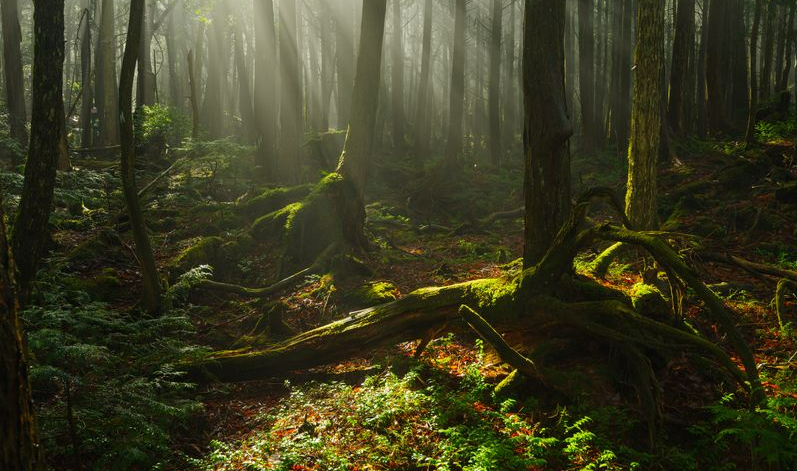
7. Aokigahara Forest (Mount Fuji, Japan)
The History: The Sea of Trees and Sovereign Silence
A Cradle of Hardened Lava
Known tragically across the globe as the “Suicide Forest,” this brooding, 30-square-kilometer woodland is officially named Aokigahara, or the Jukai (translating to “The Sea of Trees”). It blankets the northwestern base of Mount Fuji, thriving entirely on a rugged bed of hardened lava left behind by the volcano’s massive, catastrophic eruption in 864 CE. Because the forest floor is made of solid, porous volcanic rock, tree roots cannot claw deep into the earth; instead, they intertwine across the surface in contorted, skeletal webs covered in thick moss.
The Acoustic Vacuum
The porous nature of this volcanic bedrock acts as a natural acoustic vacuum, absorbing sound waves rather than reflecting them. This creates a heavy, disorienting silence that many travelers find deeply oppressive. Winds are stifled by the dense, overlapping canopy, filtering out sunlight and sealing the forest in a perpetual, muted twilight where the regular rustle of wildlife is eerily absent.
The Legacy of Ubasute
Historically, Aokigahara has been intertwined with the macabre for centuries. In folklore, it is heavily associated with ubasute—the mythical and grim practice of “abandoning the old.” During bleak periods of brutal famine and drought, desperate families would allegedly carry their elderly, frail, or sick relatives deep into the trackless wilderness, leaving them to die of exposure or starvation so the rest of the household could survive. In modern times, this somber energy has transformed the forest into one of the most frequent suicide locations on Earth. Despite the placement of numerous preventative signs urging visitors to value their lives and seek help, the sheer density of the trees continues to draw those looking to disappear forever into the foliage.
The Haunting: The Magnetic Maze and Vengeful Yūrei
The Tormented Yūrei
According to traditional Japanese mythology and spiritualism, Aokigahara is not merely a collection of trees, but a spiritual purgatory heavily guarded by Yūrei. These are the restless, vengeful, and grief-stricken ghosts of those who suffered sudden, lonely, or violent deaths. Local folklore dictates that the sheer volume of despair left behind by those who perished under the trees has physically seeped into the vegetation itself. Spiritualists claim the trees act as living traps, actively preventing troubled souls who enter from ever finding their way back out.
The Defiance of Navigation
This sense of being hopelessly trapped is amplified by the physical terrain. Search and rescue teams tasked with the grim duty of combing the undergrowth for human remains must use plastic tape to mark their paths, because standard navigation frequently fails. The ancient volcanic soil contains rich, dense deposits of magnetic iron. If a standard magnetic compass is placed directly against the rocky ground, the natural magnetism can cause the needle to spin wildly out of control or lock onto incorrect bearings.
Anomalies in the Sea of Trees
Those brave enough to step away from the designated hiking trails often report an array of inexplicable anomalies. Visitors speak of a sudden, biting drop in temperature that chills the skin even in the peak of summer. On the wind, disembodied sighs and whispered weeping are frequently reported, alongside the unsettling visual sensation of fleeting, dark figures shifting seamlessly between the twisted trunks just at the edge of one’s peripheral vision.
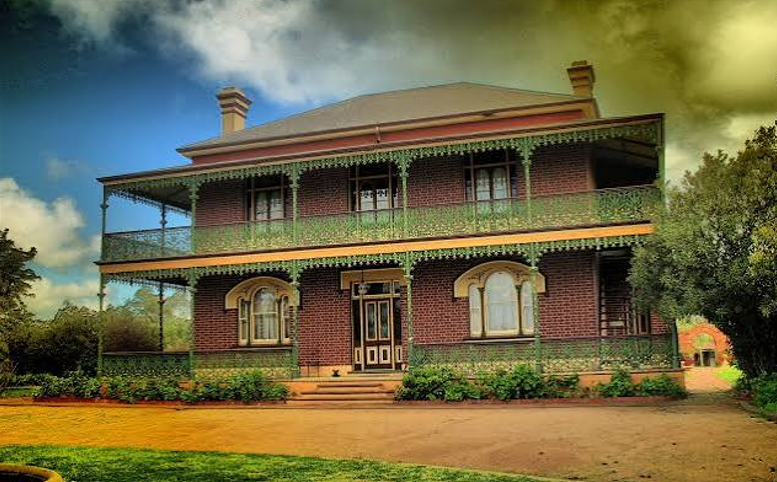
8. Monte Cristo Homestead (New South Wales, Australia)
The History: The Tragedies of Monte Cristo Homestead
Perched on a hill overlooking the town of Junee in New South Wales, the Monte Cristo Homestead is widely regarded as Australia’s most haunted house. Built in 1885 by the wealthy and influential pioneer Christopher William Crawley, the two-story late-Victorian mansion was initially celebrated as a grand symbol of opulence and high society. However, beneath its grand, cast-iron lattice balconies lay a dark underbelly of systemic abuse, tragic accidents, and untimely deaths that plagued the estate for generations.
The mansion’s history reads like a chronicle of horrors. Local lore states that Mr. Crawley impregnated two of his maids; out of desperation or to cover up the scandal, one of the pregnant women committed suicide by jumping from the high veranda, dying instantly upon impact. In the coach house, a young stable boy named Morris met a agonizing end when his cruel master maliciously set his straw mattress on fire to punish him for sleeping in, unaware the boy was actually too ill to move. Inside the main house, the Crawleys’ infant granddaughter, Ethel, was tragically dropped down the grand staircase by a nursemaid. The horrified nanny claimed an invisible, malevolent force had violently shoved the baby from her arms, though her pleas were largely dismissed. Perhaps most disturbing of all was the fate of Harold, a mentally disabled man believed to be the son of the second pregnant maid. Following a severe accident that left him permanently impaired, he was kept chained to a bed in the caretaker’s quarters for nearly 40 years, where local children would mock his constant screaming until he was finally discovered by authorities alongside his deceased mother. Even after the Crawleys left, the violence continued into 1960 when a caretaker named Jack Simpson was shot dead on the porch by a local youth obsessed with Alfred Hitchcock’s film Psycho.
The Haunting: Paralyzing Weight and a Sovereign Presence
The accumulation of such profound grief and malice has left an indelible imprint on the property, creating an atmosphere that paranormal investigators describe as suffocating. Upon stepping across the threshold, visitors frequently report a sudden drop in temperature accompanied by an intense, overwhelming feeling of nausea and physical weight. The house seems to actively reject modern intrusion; automated lights flicker and turn on and off entirely by themselves, and guests regularly find that their digital cameras and audio equipment completely malfunction or drain of power, particularly when entering the master bedroom.
The spiritual epicenter of the homestead belongs to Elizabeth Crawley, the family matriarch. Following her husband’s death from blood poisoning in 1910, Mrs. Crawley became a harsh, strict recluse, allegedly leaving the house only twice over the remaining 23 years of her life as she immersed herself in Bible study. In death, she reportedly rules the mansion with the same iron fist she wielded in life. Manifesting as a silver-haired apparition clad in a black lace dress, her presence is preceded by the sharp, unexpected scent of lavender perfume or a sudden, bone-chilling drop in temperature. Those who linger too long in her domain report hearing disembodied whispers, the clanking of phantom chains outside, or a harsh, authoritative female voice cutting through the silence, demanding that they leave.
9. Chateau de Brissac (Loire Valley, France)
🏰 The History: A Royal Marriage Bound in Blood
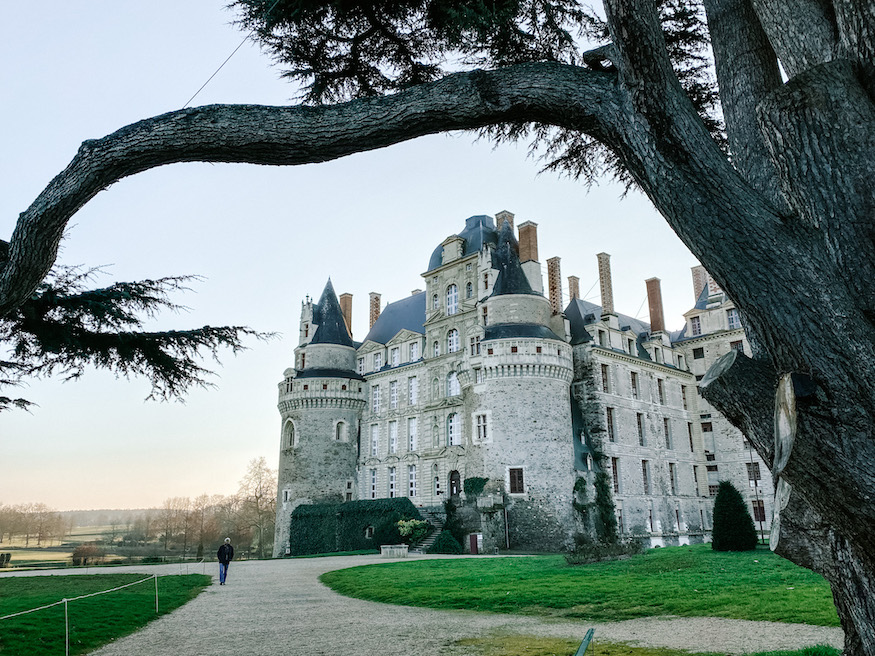
Towering over the Loire Valley landscape as the tallest castle in France, the spectacular, seven-story Château de Brissac was originally erected as a fortified stronghold in the 11th century. By the late 15th century, it had been reconstructed into a grand noble residence and passed into the hands of Jacques de Brézé, the Seneschal of Normandy. To solidify his standing with the crown, Jacques entered into a politically expedient, arranged marriage with Charlotte de Valois—the beautiful, illegitimate daughter of King Charles VII and his famous royal mistress, Agnès Sorel.
The union, however, was fundamentally toxic. Accustomed to the sophisticated, glittering culture of the French royal courts, Charlotte grew deeply resentful of her boorish husband and the drafty isolation of the countryside. While Jacques spent his days out on long hunting expeditions, Charlotte found companionship and passion in the arms of Pierre de Lavergne, one of her husband’s handsome, cultivated young huntsmen.
The affair met a gruesome end on the night of May 31, 1477. After returning from a hunt and retiring to his quarters, Jacques was awakened in the middle of the night by a frantic servant who informed him of his wife’s infidelity. Driven into a blind, murderous frenzy, Jacques breached the bedroom doors and caught the lovers red-handed. In an act of savage jealousy, he brutally murdered them both. While historians debate the exact method—some accounts claim he hacked them to pieces with a hunting axe, while others say he ran the nobleman through with his sword and strangled Charlotte—the sheer violence of the act left an permanent stain on the castle’s history. King Louis XI was so outraged by the murder of his half-sister that he briefly stripped Jacques of his properties and threw him into prison.
🟢 The Haunting: The Ghastly Vision of La Dame Verte
Though the ghost of the young nobleman allegedly moved on centuries ago, the tragic, restless spirit of Charlotte de Brézé remains fiercely tethered to the site of her slaughter. Known to locals, staff, and terrified visitors as La Dame Verte (“The Green Lady”), she has continuously haunted the halls of the château for over 500 years. She derives her moniker from the flowing, emerald-green period dress her apparition is invariably seen wearing as she floats through the estate.
While some ghosts appear as soft, translucent mist, encounters with The Green Lady are notoriously vivid and deeply unsettling:
The Face of a Corpse: Those brave enough to look upon her spirit up close report a horrifying sight. The beautiful features of the former royal courtier are entirely gone; in their place is the macabre visage of a rotting corpse, featuring dark, hollow, empty black holes where her eyes and nose used to be.
The High-Cwene Echoes: In the quiet, liminal hours of the early morning, the silence of the château is frequently shattered by her high-pitched, mournful wails, phantom footsteps, and heavy sobbing echoing directly out of the stone walls.
Primary Haunting Grounds: While she has been spotted pacing the grand corridors, her presence is concentrated in the castle’s tower room—the exact location of her violent end—and the adjoining chapel, where she is occasionally seen weeping or desperately trying to pull an invisible blade from her spectral chest.
To this day, the Château de Brissac remains privately owned by the Duke of Brissac’s descendants. While the family has learned to live peacefully alongside their resident specter, guests who opt to stay overnight in the castle’s luxury bed-and-breakfast suites are frequently warned to keep their doors locked—lest they wake up at 3:00 AM to find the eyeless, rotting face of La Dame Verte staring down at the foot of their bed
10. The Stanley Hotel (Estes Park, Colorado, USA)
The History
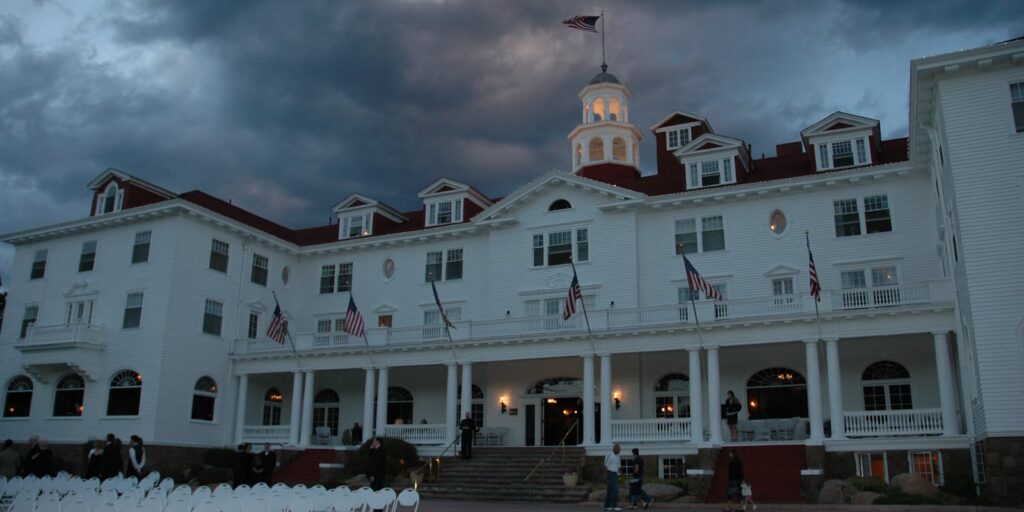
The origins of the Stanley Hotel are rooted in a quest for survival. In 1903, Freelan Oscar Stanley—the brilliant co-inventor of both the photographic dry plate process and the famous steam-powered Stanley Steamer automobile—arrived in the rugged mountains of Colorado. Diagnosed with life-threatening tuberculosis, his doctor had given him less than six months to live and advised him to seek out the dry, clean air of the West. Against all odds, Stanley’s health improved dramatically within a single summer. Grateful to the landscape that saved his life and eager to bring East Coast luxury to the wilderness, he set out to build a grand mountain oasis.
Construction began in 1907 on a 150-acre plot of land purchased from the Irish Earl Lord Dunraven. On July 4, 1909, Stanley officially opened his majestic, 48-room Georgian Revival hotel. It was designed as a secluded, ultra-luxury summer resort for wealthy urbanites, politicians, and socialites. Spared no expense, it was a marvel of modern engineering for its time, boasting a private water plant, individual guest telephones, and its own Fall River hydroelectric plant that rendered it one of the first fully electrified hotels in the nation. Interestingly, because it was strictly intended as a summer getaway, the main building was built without any central heating.
The hotel’s historical path took a dark turn on the stormy evening of June 25, 1911. Following a temporary failure of the hydroelectric grid, the hotel brought an auxiliary acetylene gas lighting system online. A severe gas leak flooded the crawlspaces of the west wing, pooling heavily right beneath Room 217. Unaware of the danger, head chambermaid Elizabeth Wilson walked into the room with a lit candle, accidentally igniting a massive, explosive blast that tore through two floors of the structure. Remarkably, Wilson survived the near-fatal explosion with only two broken ankles. She went on to live a long life, continuing to work faithfully at the hotel until her eventual passing in the 1950s.
Decades later, in late October 1974, the hotel would secure its permanent place in pop-culture history. A young horror author named Stephen King and his wife Tabitha checked in for a single evening. Because it was the exact night before the resort closed its doors for the harsh winter season, they were the only guests in the sprawling, 140-room labyrinth. They were booked into Room 217. Walking through the empty, carpeted corridors while the staff covered the furniture with white dust sheets created an overwhelming sense of isolation. That night, King woke up from a terrifying nightmare of a living fire hose chasing his young son down the hallways. By morning, the eerie, desolate atmosphere of the Stanley had given birth to the framework of his legendary masterpiece, The Shining.
The Haunting
Despite its association with spine-chilling horror literature, the paranormal reputation of the Stanley Hotel is widely characterized as playful, nostalgic, and elegant rather than malevolent. The spirits that allegedly walk its corridors seem entirely dedicated to continuing the grandeur of the hotel’s golden era.
Room 217: The Devoted Chambermaid
The most famous paranormal activity centers on Room 217, the site of the 1911 gas explosion. The spirit of Elizabeth Wilson is said to still report for duty from beyond the grave. Guests staying in this suite frequently report returning to find their luggage completely unpacked, their items neatly organized, and their wrinkled clothes meticulously folded in the closet. However, Mrs. Wilson maintains a strict, old-fashioned Edwardian moral code. Unmarried couples or newlyweds staying in the room have occasionally reported feeling a freezing drop in temperature, accompanied by an unseen force physically pushing them apart or sliding between them in bed.
The Eternal Hosts: F.O. and Flora Stanley
The hotel’s founders also seem reluctant to leave their beloved mountain retreat. The apparition of F.O. Stanley is most commonly seen roaming the billiards room or standing quietly in the main lobby, observing the checking-in of modern travelers to ensure his standards of high-society hospitality are maintained. His wife, Flora Stanley, was an accomplished pianist. Late at night, guests and security guards standing near the empty, darkened music room frequently report hearing the unmistakable, melancholic notes of classical music drifting from the original Steinway piano. If anyone opens the door to investigate, the keys freeze and the room instantly goes silent.
The Phantom Children of the Fourth Floor
The fourth floor, which originally served as a spacious attic area to house children, nannies, and maids, is the epicenter of the hotel’s most lively hauntings. Guests staying directly below on the third floor routinely complain to management about the sounds of children running, laughing, and bouncing balls on the floorboards directly above them. Paranormal investigators have captured numerous Electronic Voice Phenomena (EVPs) of giggling children in these halls, and cleaning crews regularly find small child-sized footprints and distinct body impressions left on freshly made beds in empty, locked rooms.