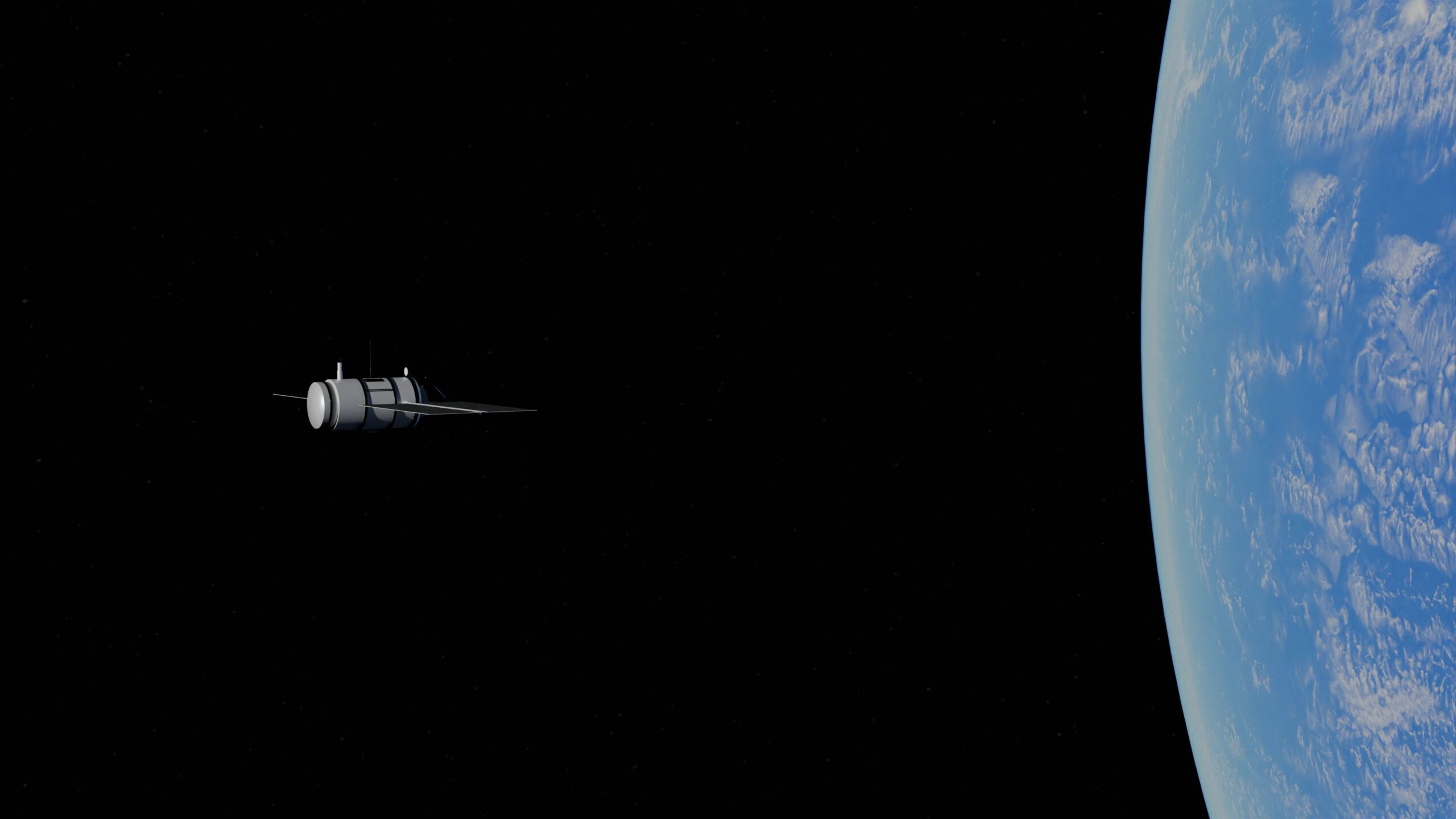
The international space community is entering one of its busiest and most ambitious stretches of exploration. Following the major milestone of NASA’s crewed lunar flyby with Artemis II, global space agencies are pivoting toward aggressive deep-space science, lunar south-pole infrastructure, sample returns, and next-generation cosmic observatories.
The top 10 upcoming space missions are shifting boundaries across the solar system.

1. Artemis III (NASA)
Target: Low Earth Orbit (LEO) / Lunar Architecture (Wikipedia)
Timeline: Scheduled for 2027 (NASA)
The Mission: In a strategic adjustment to the lunar roadmap following the success of Artemis II, NASA introduced a restructured Artemis III mission. Instead of going directly to the Moon’s surface, this mission will act as a critical orbital demonstration in Low Earth Orbit. It will serve as a high-stakes stress test for the commercial Human Landing Systems (HLS) being developed by SpaceX and Blue Origin, ensuring the landing architecture is fully vetted before astronauts are sent back to the lunar surface on subsequent flights.
2. Martian Moons Exploration — MMX (JAXA)
Target: Phobos and Deimos (Moons of Mars)
Timeline: Launching late 2026
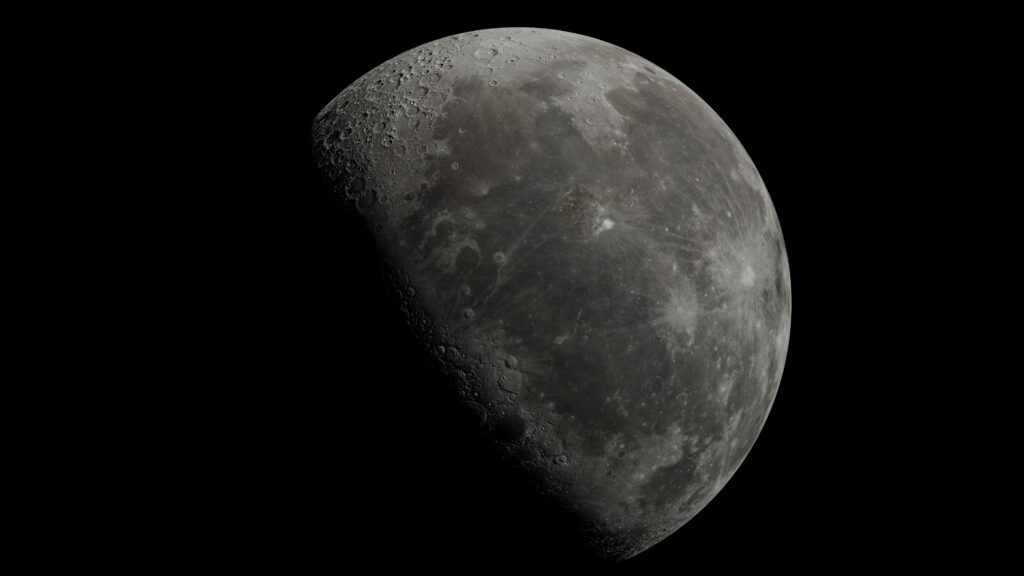
The Mission: The Japanese Aerospace Exploration Agency is leading a daring robotic mission to achieve a cosmic first: landing on Phobos, the largest moon of Mars. MMX will spend three years map-making and studying the Martian environment before executing a precise “scoop and run” maneuver. It will extract a core surface sample from Phobos and blast back into orbit, with the goal of returning physical pieces of a Martian moon to Earth by 2031 to determine if the moons are captured asteroids or the remnants of a ancient colossal impact. (BBC Science Focus Magazine)
3. Nancy Grace Roman Space Telescope (NASA)
Target: Deep Space / Cosmic Orbit
Timeline: Launching as soon as late 2026
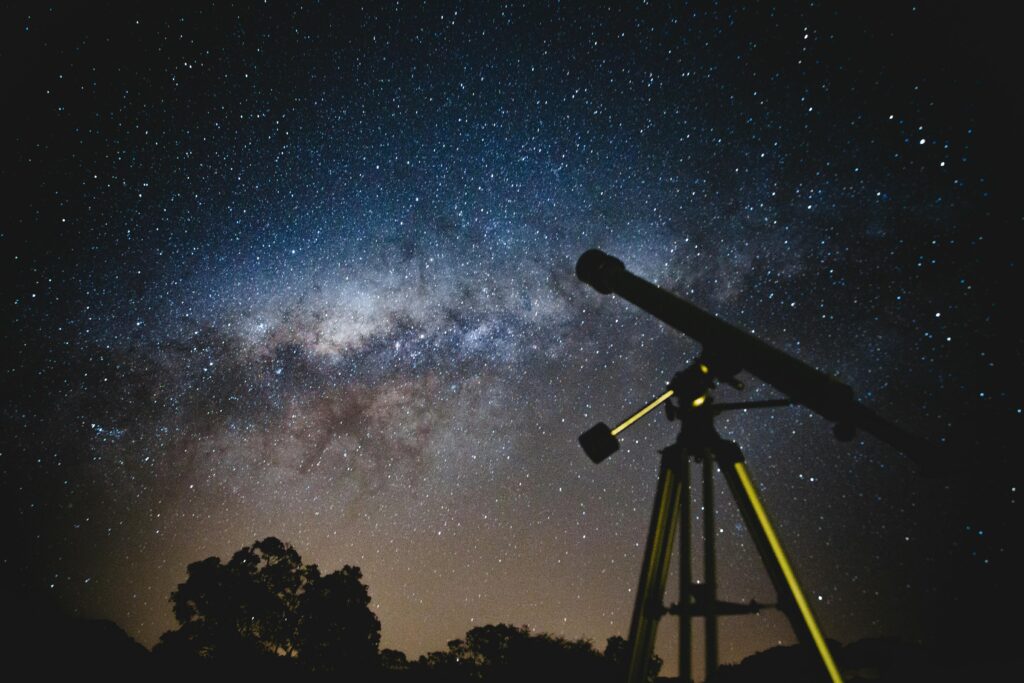
The Mission: Named after NASA’s first chief astronomer, the Roman Space Telescope is the next great flagship observatory following James Webb. While it shares a similar mirror size to Hubble (2.4 meters), its secret weapon is a panoramic field of view that is 100 times greater. Roman will map the universe with unprecedented speed, capturing massive cosmic sweeps to unravel the mysteries of dark energy, search for rogue exoplanets via gravitational microlensing, and directly image distant alien worlds.
4. Chang’e 7 (CNSA)
Target: Moon (Lunar South Pole)
Timeline: Scheduled for August 2026
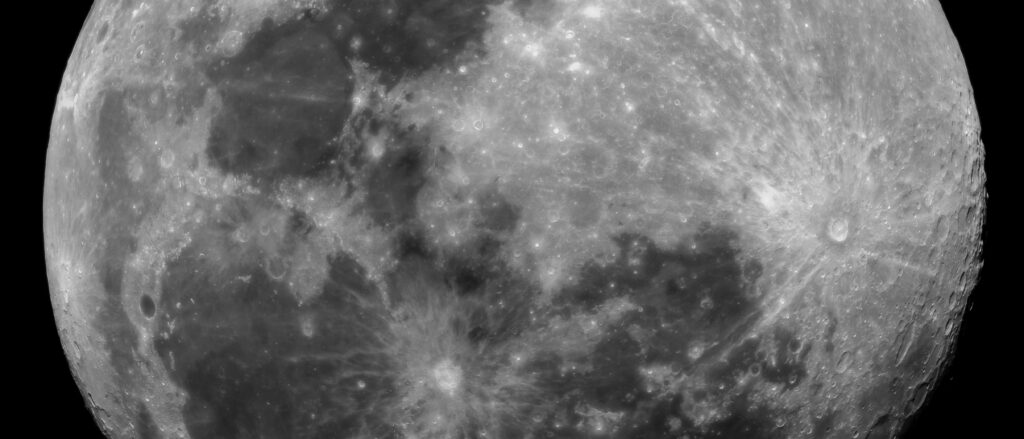
The Mission: The China National Space Administration is launching phase four of its highly successful lunar program. Chang’e 7 is an incredibly complex, multi-vehicle deployment consisting of an orbiter, a surface lander, a roving explorer, and a specialized “mini-hopping probe.” The hopping probe is designed to fly autonomously into permanently shadowed craters at the Shackleton crater rim, searching directly for subterranean water-ice deposits that could sustain a permanent Sino-Russian International Lunar Research Station in the 2030s. (National Space Centre)
5. PLATO (ESA)
Target: Exoplanet Discovery / Deep Space
Timeline: Launching late 2026
The Mission: The European Space Agency’s PLATO (Planetary Transits and Oscillations of stars) mission is a dedicated terrestrial planet hunter. Utilizing an array of 26 individual cameras working in unison, PLATO will monitor hundreds of thousands of bright stars across the sky. It is specifically calibrated to pick up the minute dips in light caused by small, rocky planets passing in front of their host stars, focusing heavily on finding true Earth-analogs in the “habitable zone” where liquid surface water could exist. (European Space Agency+ 1)
6. Venus Life Finder (Rocket Lab / MIT)
Target: Venusian Atmosphere
Timeline: Launching as soon as late 2026
The Mission: Marking a major shift toward privately funded interplanetary exploration, Rocket Lab—in collaboration with MIT—is sending a compact probe directly to our twin planet. Instead of orbiting, the probe will plunge directly into the thick, acidic cloud layers of Venus at 40 miles above the scorching surface. Using a specialized laser-based instrument, it will analyze the chemical composition of the droplets in real time, hunting for anomalous organic molecules or signs of microbial habitability within the temperate atmospheric zone. (The Planetary Society)
7. BepiColombo Orbital Insertion (ESA / JAXA)
Target: Mercury
Timeline: Final Orbital Arrival in November 2026
The Mission: While launched in 2018, BepiColombo’s epic journey reaches its critical climax in late 2026. Because Mercury sits so close to the Sun’s massive gravitational well, stopping a spacecraft there requires immense energy. After executing a series of complex planetary gravity assists, the joint European-Japanese spacecraft will finally enter permanent orbit. It will split into two distinct orbiters to map Mercury’s interior composition, measure its bizarre magnetic field, and analyze how the solar wind bombards the closest planet to our star. (BBC Science Focus Magazine)

8. ClearSpace-1 (ESA)
Target: Low Earth Orbit (Space Debris)
Timeline: Launching 2026
The Mission: As Earth’s orbit becomes increasingly congested, ESA is backing the world’s first active debris removal mission. ClearSpace-1 is a commercial orbital cleaner equipped with a multi-articulated four-armed robotic tentacle system. Its objective is to rendezvous with a Vespa upper-stage adapter (a 112 kg piece of space junk left behind from a 2013 Vega rocket launch), firmly grab it, and execute a controlled, terminal de-orbit burn, intentionally destroying both the debris and itself in the atmosphere to prove commercial cleanup technology works. (European Space Agency)
9. Hera (ESA)
Target: Asteroid Dimorphos
Timeline: Arriving at Target in November 2026
The Mission: In 2022, NASA’s DART mission successfully slammed a spacecraft directly into the asteroid moonlet Dimorphos, proving humanity could dynamically alter the trajectory of a cosmic threat. Launching as the detective to investigate the aftermath, the Hera spacecraft will arrive at the system to conduct a detailed post-impact survey. It will deploy close-range CubeSats to map the crater, measure the precise mass shift, and gather the concrete physical data needed to turn this kinetic impact experiment into a repeatable planetary defense strategy. (BBC Science Focus Magazine)
10. Shukrayaan-1 / Venus Orbiter (ISRO)
Target: Venus
Timeline: Targeting 2028 (with key technical baselines finalized across 2026/2027)
The Mission: The Indian Space Research Organisation is preparing its first-ever dedicated voyage to Venus. Shukrayaan-1 will be equipped with a high-resolution Synthetic Aperture Radar (SAR) capable of cutting through the dense, opaque sulfuric acid clouds that permanently shroud the planet. The mission will create the most detailed geological maps of the Venusian volcanic surface to date, tracking active volcanic hot spots and studying how the intense greenhouse effect evolved over billions of years.