The integration of Investigative Genetic Genealogy (IGG)—combining crime-scene DNA with public ancestry databases—has completely revolutionized forensic science. It has allowed law enforcement to tear down decades-old brick walls and finally solve the most baffling cold cases in history.
Here are the details of 10 of the most high-profile, historically significant unsolved cold cases that were finally put to rest using DNA technology.

1. The Golden State Killer (Joseph James DeAngelo)
The Case: Between 1974 and 1986, a masked predator terrorized California, committing 13 murders, more than 50 sexual assaults, and over 120 burglaries. For over forty years, the identity of the killer remained entirely unknown.
The DNA Breakthrough: In 2018, investigators uploaded a crime-scene DNA profile to the public genealogy website GEDmatch. They built a massive family tree from distant relatives, which eventually pointed directly to 72-year-old Joseph James DeAngelo, a former police officer.
The Resolution: Police surveilled DeAngelo and collected his discarded trash (a napkin and a razor) to secretly obtain his direct DNA. It was a perfect match. He pled guilty to avoid the death penalty and was sentenced to life in prison without parole.
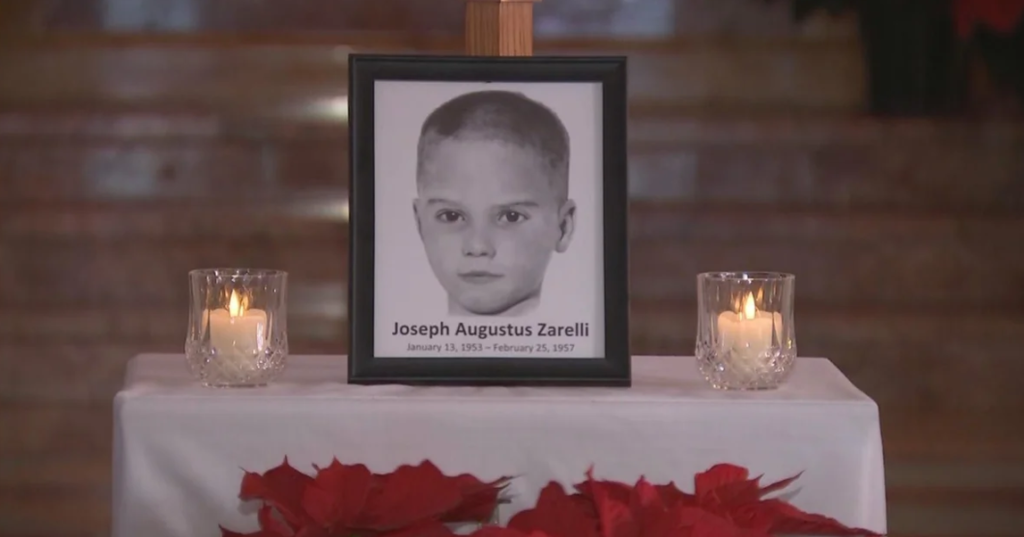
2. The Boy in the Box (Joseph Augustus Zarelli)
The Case: In February 1957, the naked, severely bruised body of a young boy was found wrapped in a blanket inside a cardboard box in Philadelphia, Pennsylvania. For 65 years, the child was known only as “America’s Unknown Child,” and his true identity became one of the city’s longest-running mysteries.
The DNA Breakthrough: In late 2022, forensic genealogists successfully extracted viable DNA from the boy’s remains. By uploading the data to genetic databases, they located maternal relatives and uncovered his birth records.
The Resolution: Authorities officially revealed his name: Joseph Augustus Zarelli, born in 1953. While his homicide remains an open investigation, identifying him allowed the city to finally give him a proper headstone bearing his real name.
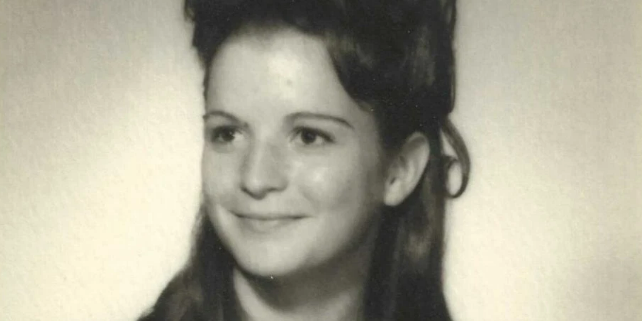
3. The Bear Brook Murders (The Rasmussen Victims)
The Case: In 1985 and 2000, two blue plastic barrels containing the skeletal remains of a woman and three young girls were uncovered in Bear Brook State Park in Allenstown, New Hampshire. The identities of both the victims and their killer remained an agonizing mystery for decades.
The DNA Breakthrough: In 2017, DNA testing linked the murders to Terry Peder Rasmussen, a deceased serial killer who had gone by various aliases. By 2019, genetic genealogy identified three of the victims as Marlyse Honeychurch and her two daughters. The “middle child,” who was biologically Rasmussen’s daughter but not related to Honeychurch, remained a Jane Doe.
The Resolution: The final piece of the puzzle fell into place when the DNA Doe Project and Firebird Forensics conclusively identified the middle child as Rea Rasmussen. Her identity restored her name and closed the book on the decades-long Bear Brook mystery.
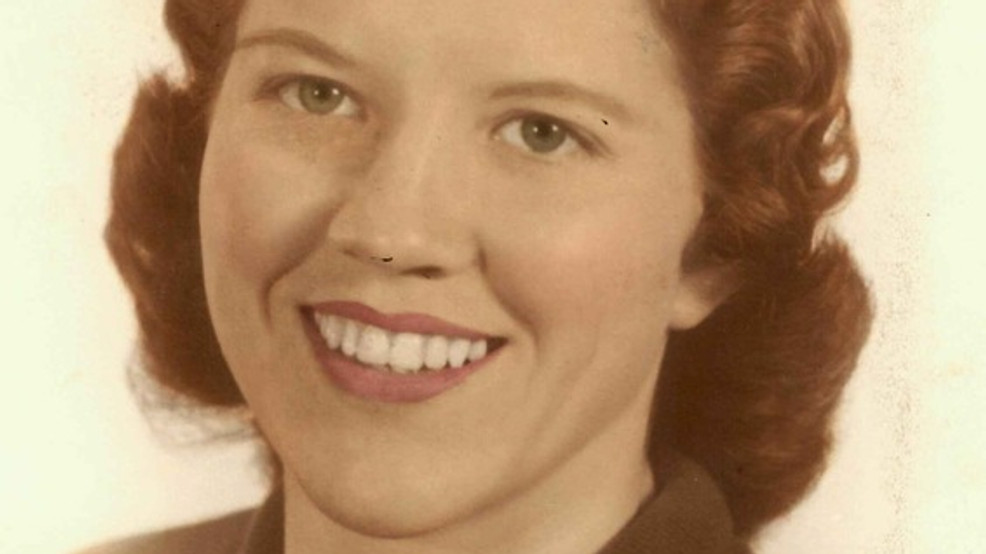
4. The Lady of the Dunes (Ruth Marie Terry)
The Case: In July 1974, a woman’s heavily mutilated body was discovered in the dunes of Provincetown, Massachusetts. Her hands had been severed to prevent fingerprint identification, and her head was nearly removed. For nearly half a century, she was the subject of endless true-crime theories.
The DNA Breakthrough: In October 2022, the FBI announced that through investigative genetic genealogy, the “Lady of the Dunes” had been officially identified as Ruth Marie Terry, a 37-year-old native of Tennessee.
The Resolution: Following her identification, police turned their attention to her husband at the time of her disappearance, Guy Muldavin. Though Muldavin died in 2002, investigators formally identified him as her killer, solving both her identity and her murder simultaneously.
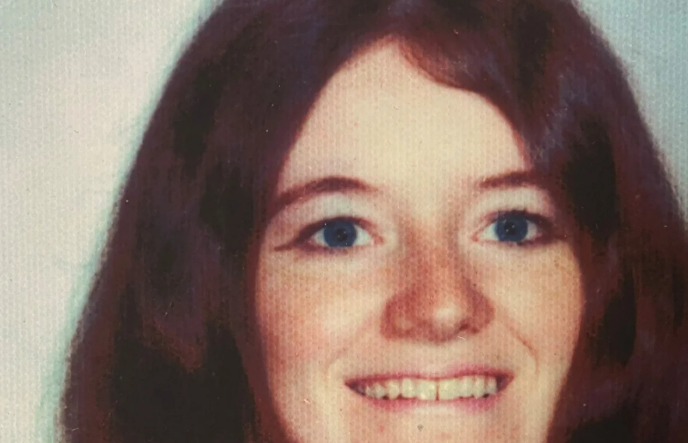
5. The Murder of Rita Curran
The Case: In July 1971, 24-year-old schoolteacher Rita Curran was found brutally murdered in her Burlington, Vermont apartment. The case went completely cold, leaving the local community shaken and without answers for more than 50 years.
The DNA Breakthrough: Decades later, scientists extracted a clean male DNA profile from a cigarette butt found near Curran’s body, as well as from semen left at the crime scene. In 2023, genetic genealogists traced the DNA through family tree matches.
The Resolution: The genetic trail led straight to William DeRoos, a man who lived in the same apartment building as Curran at the time of the murder. DeRoos had been questioned by police in 1971 but had an alibi provided by his wife (who later admitted she lied out of fear). DeRoos died of a drug overdose in 1986, but DNA firmly closed the case as solved.
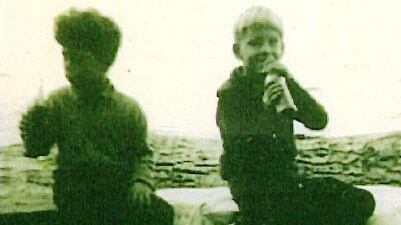
6. The “Babes in the Woods” (The D’Alton Brothers)
The Case: In 1953, a worker in Stanley Park, Vancouver, discovered the skeletal remains of two young children hidden under a fur coat. Medical examiners initially misidentified the sexes of the children, and for nearly 70 years, the identities of Vancouver’s most famous “Babes in the Woods” remained totally blank.
The DNA Breakthrough: In 2022, the Vancouver Police Department partnered with a civilian genomics company to extract DNA from the skulls of the children. The profile was uploaded to consumer DNA databases like Ancestry and 23andMe.
The Resolution: The kids were identified as brothers Derek and David D’Alton, who vanished around 1947. Genealogy tracing also led to a family member who revealed that the boys had been taken by their mother, a woman who struggled heavily with systemic hardships. The mother had passed away, but the brothers were finally able to have their real names placed on their resting place.

7. The First Murder of the “Colonial Parkway” Suspect (Alan Wilmer)
The Case: Throughout the late 1980s, Virginia was plagued by the “Colonial Parkway Murders”—a string of brutal killings targeting young couples. Among the cases were the 1987 murder of David Knobling and Robin Edwards, and the 1989 murder of Teresa Lynn Howell.
The DNA Breakthrough: For decades, these cases sat heavily on investigators’ desks. In early 2024, advanced forensic testing and phenotype mapping linked DNA found on the victims’ clothing to a single, previously unconsidered suspect.
The Resolution: The DNA matched Alan W. Wilmer Sr., a local fisherman and hunter who had died in 2017. While Wilmer can never face a courtroom, the DNA breakthrough successfully linked him to multiple cold-case killings, bringing answers to grieving families after nearly 40 years.
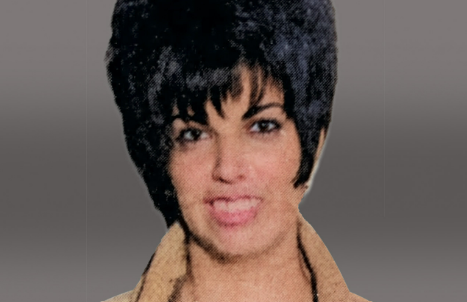
8. The Murder of Nancy Marie Bennallack
The Case: In October 1970, Nancy Bennallack, a 28-year-old court reporter, was stabbed over 30 times in her apartment in Sacramento, California. The killer had climbed through her balcony window but cut himself during the assault, leaving a trail of blood.
The DNA Breakthrough: Though police preserved the suspect’s blood, the case went cold for over half a century. In 2022, forensic genealogy experts ran the DNA profile through public ancestry platforms and built a tree out to his surviving relatives.
The Resolution: The DNA pointed directly to Richard John Davis, a man who lived in the same apartment complex at the time. Davis had passed away in 1997, but investigators officially closed the case, noting that had he been alive, he would have been arrested and charged with first-degree murder.
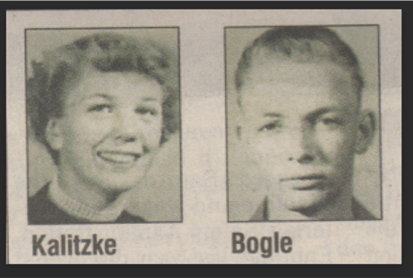
9. The 1956 Lovers’ Lane Murders (Lloyd Bogle & Patricia Kalitzke)
The Case: In January 1956, the bodies of 18-year-old Lloyd Duane Bogle and his 16-year-old girlfriend, Patricia Kalitzke, were found shot to death near a popular “lovers’ lane” in Great Falls, Montana. It was one of the oldest unsolved double-homicides in US history.
The DNA Breakthrough: In 2021, the Cascade County Sheriff’s Office utilized a private lab to perform specialized sequencing on sperm cells preserved from the crime scene decades prior.
The Resolution: The genealogy search revealed the killer to be Kenneth Gould, a local horseman who lived nearby at the time of the murders but had since passed away in 2007. Gould had never been on the police’s radar during the initial 1956 investigation, proving the power of DNA to find a “needle in a haystack.”
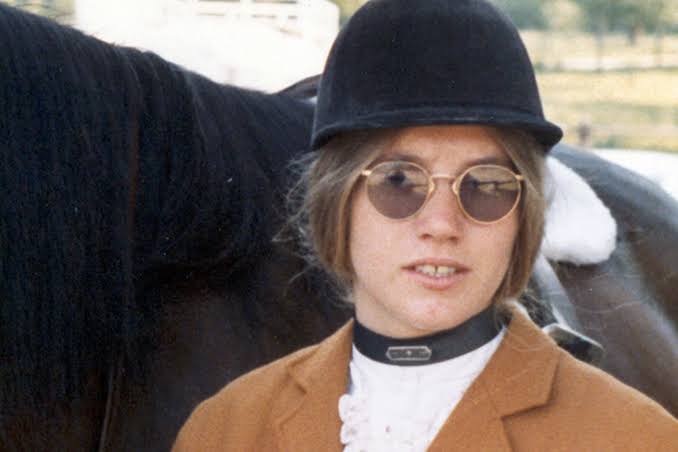
10. The 1972 Murder of Jody Loomis
The Case: On August 23, 1972, 20-year-old Jody Loomis was riding her bicycle to a horse stable in Snohomish County, Washington, when she was shot and left by a dirt road.
The DNA Breakthrough: In 2019, old semen stains preserved from the victim’s boots were put through modern genetic sequencing. The resulting genetic tree narrowed the suspect pool down to one man who lived just minutes from where Loomis was found.
The Resolution: Police arrested 78-year-old Terrence Miller. To confirm the match before making the arrest, undercover officers followed Miller to a casino and gathered a discarded coffee cup to run his direct DNA. In a tragic twist, Miller took his own life in 2020, just hours before a jury found him guilty of first-degree murder.