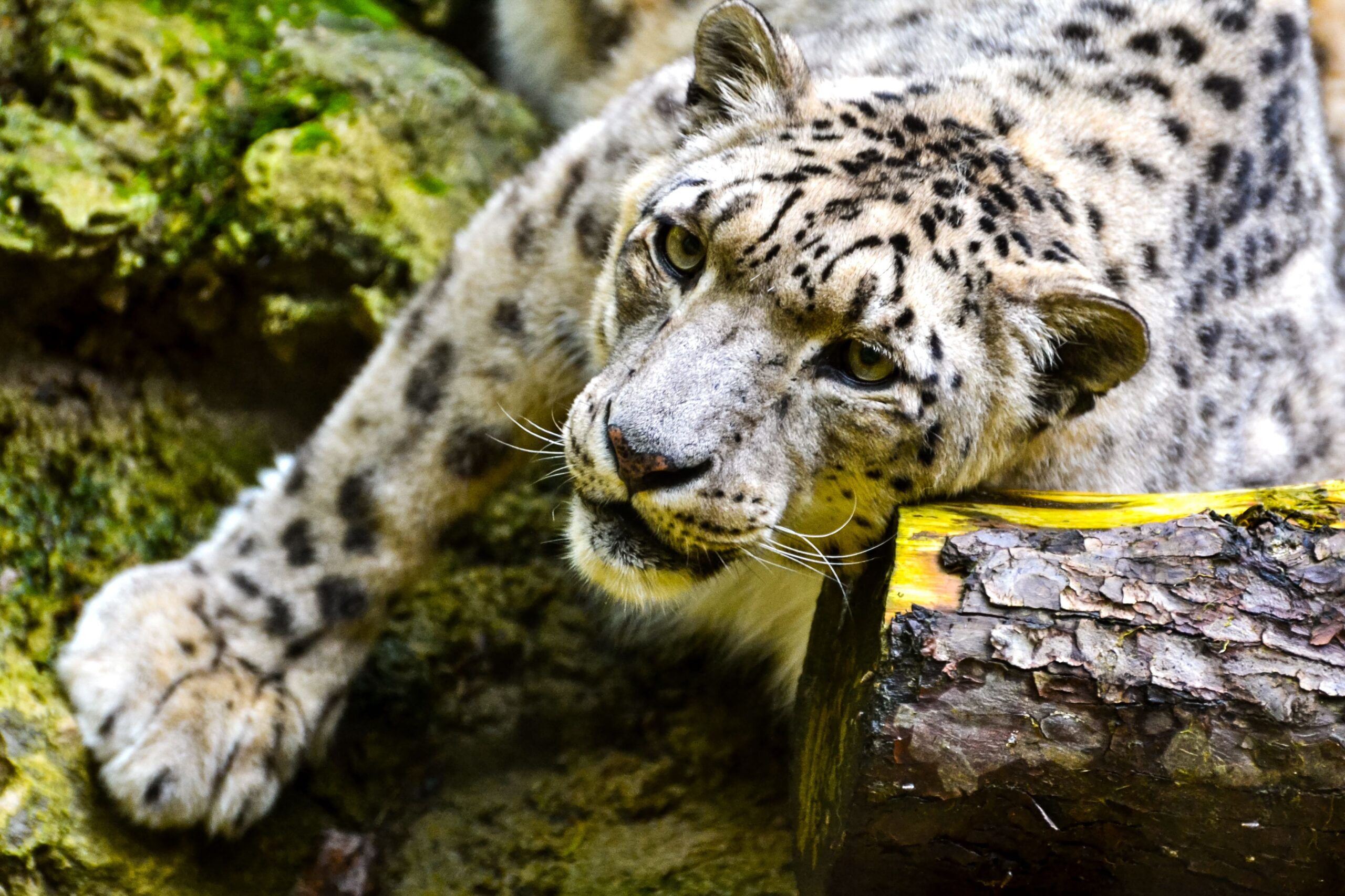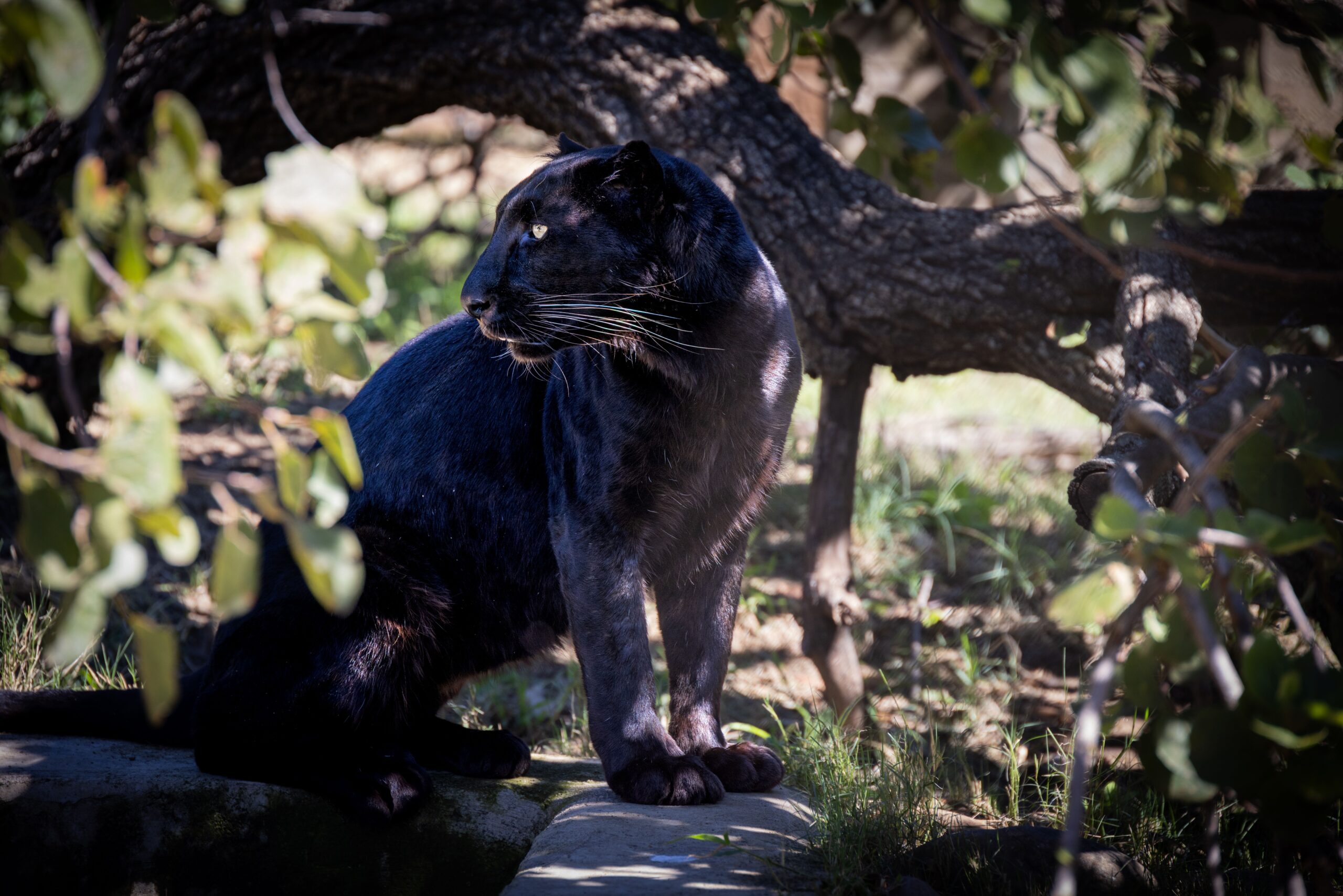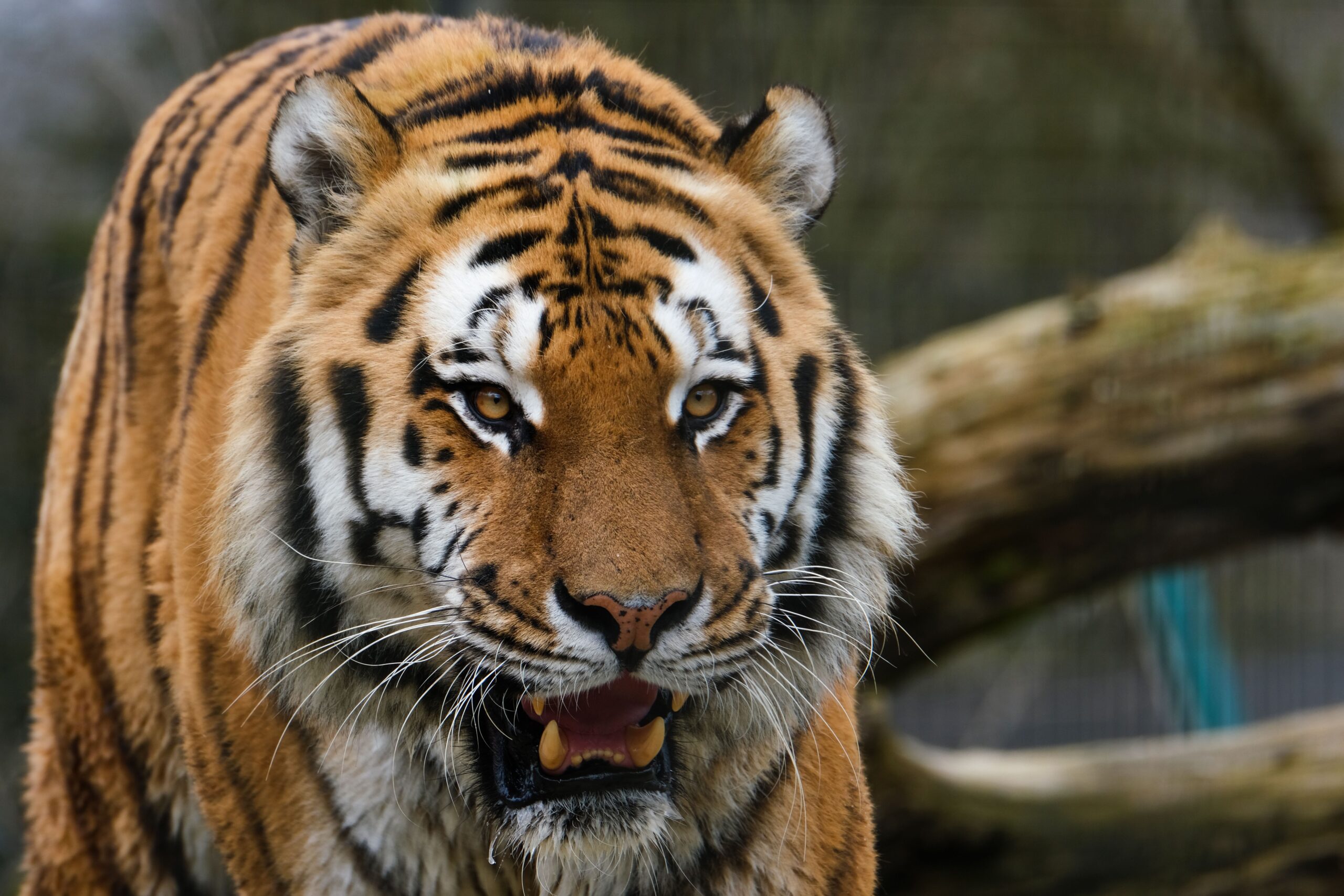
The tiger (Panthera\ tigris) stands as the undisputed heavyweight of the felid family. As an apex predator, it occupies the highest tier of the trophic pyramid across its remaining fragmented habitats in Asia. Renowned for its iconic striking orange coat and black disruptive coloration, this solitary hunter is a masterpiece of evolutionary engineering—blending brute muscular force, acute sensory perception, and exceptional stealth.

🐅 Physical Traits & Remarkable Anatomy
1. The Largest of All Big Cats
- Tigers hold the title for the largest feline species on Earth. Adult male Siberian (Amur) tigers can reach lengths of up to 3.3 meters (11 feet) and weigh over 300 kg (660 lbs), making them significantly larger and heavier than the average lion.
2. Completely Unique Stripe Patterns
- Just like human fingerprints, no two tigers share the same pattern of stripes. These markings are so deeply embedded that if you were to shave a tiger’s fur, the stripe pattern is still clearly visible directly on its skin.
3. False “Eyes” on Their Ears
- Tigers have a prominent white spot on the back of each ear known as an ocelli. These spots serve a dual purpose: they act as “false eyes” to deter predators from sneaking up behind them, and they function as visual indicators, helping cubs track their mother through tall, dark grass.
4. Incredible Hind-Leg Strength
- A tiger’s hind legs are noticeably longer than its front legs. This anatomical design gives them an explosive leaping ability, allowing them to spring forward up to 10 meters (33 feet) from a stationary position to ambush prey.
5. Lethal Bite and Canines
- Tigers possess the largest canine teeth of any living felid, reaching lengths of up to 9 cm (3.5 inches). Their jaws can exert a crushing pressure of roughly 1,000 pounds per square inch (psi), easily snapping the neck of large prey.
🌊 Behavior, Hunting & Diet
6. Solitary Apex Predators
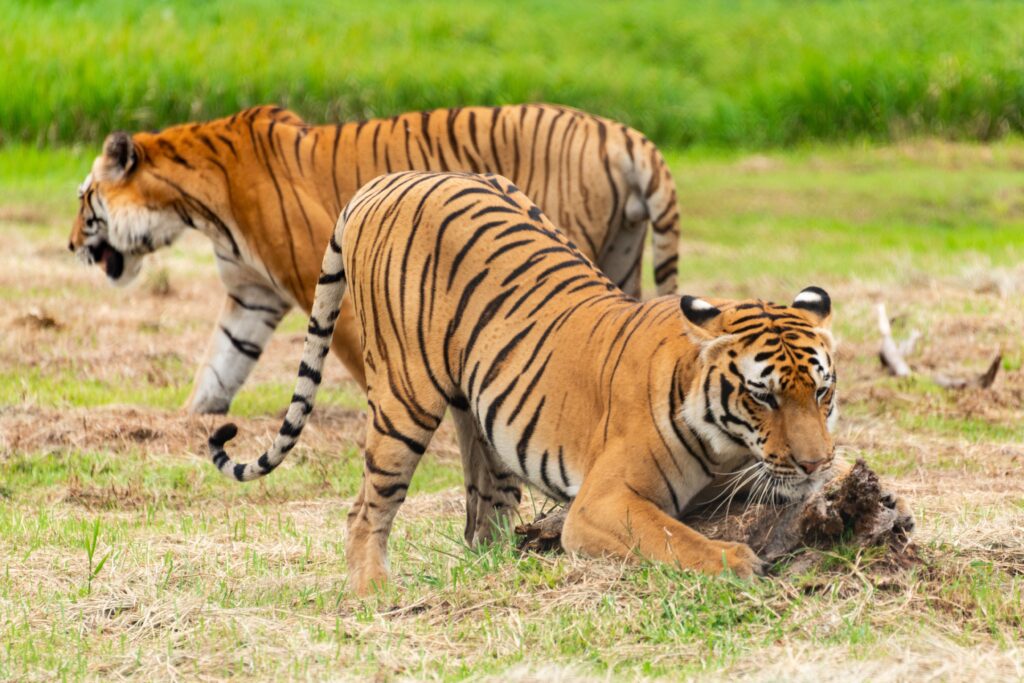
- Unlike lions, tigers are fiercely solitary creatures. They do not live or hunt in groups. Adults live completely independent lives, establishing massive home territories that they defend aggressively against intruders of the same sex.
7. Exceptional Swimmers
- While most domestic cats hate water, tigers absolutely love it. They are phenomenal swimmers capable of crossing rivers up to 30 kilometers (18 miles) wide. They frequently lounge in rivers and lakes during the midday heat to keep cool.
8. Low Hunting Success Rate
- Despite being lethal apex predators, hunting is incredibly difficult for a tiger. Because they rely heavily on stealth and dense cover rather than long-distance endurance, only about 1 in 10 of their ambush attempts results in a successful kill.
9. Silent Stalkers
- Tigers have incredibly soft, padded paws that allow them to move completely silently through dry leaves and brush. They can stalk a target until they are within a crucial 10-to-20-meter radius before launching their final, explosive attack.
10. Dietary Powerhouses
- Tigers primarily hunt large ungulates like deer and wild boar. When successful, a hungry tiger can consume up to 40 kg (90 lbs) of meat in a single night. If the kill is large, they will hide the carcass under brush and return over several days to finish it.
🗣️ Communication & Senses
11. Inaudible “Infrasound” Roars
- A tiger’s roar is so loud it can be heard over 3 kilometers (2 miles) away. More impressively, their roars contain low-frequency “infrasound” waves below the limit of human hearing. This infrasound can literally paralyze prey with fear for a split second before the strike.
12. The Friendly “Chuff”
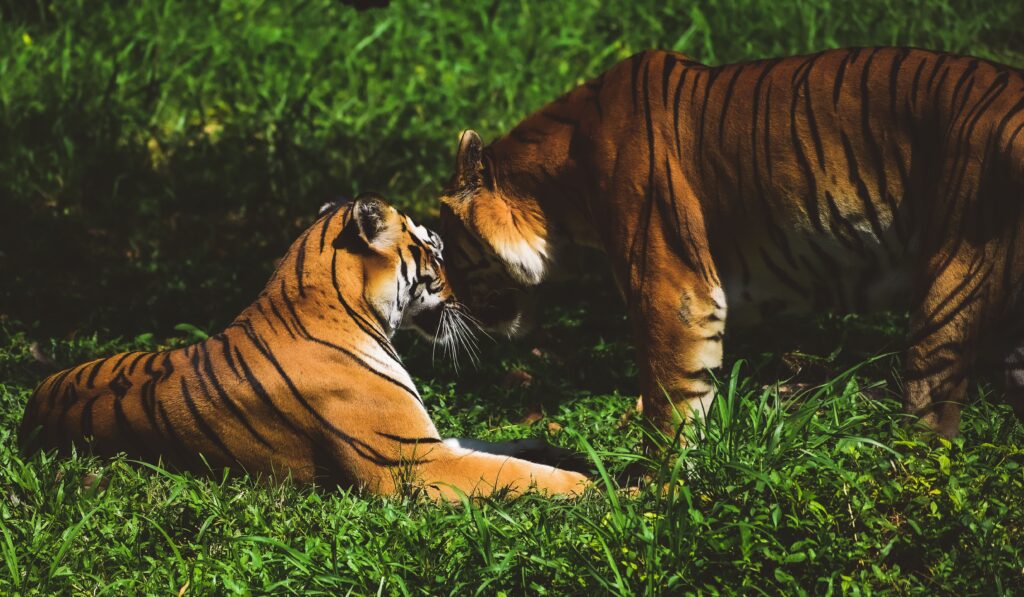
- Tigers cannot purr. When they want to express friendliness, reassurance, or a peaceful greeting to another tiger, they emit a soft, snorting sound known as a chuff or prusten, made by blowing air through their nostrils.
13. High-Definition Night Vision
- A tiger’s night vision is roughly six times better than a human’s. They possess a highly developed tapetum lucidum—a reflective layer behind the retina that amplifies light, making them incredibly lethal nocturnal hunters.

🍼 Reproduction & Lifecycle
14. Completely Blind Births
- Tiger cubs are born incredibly vulnerable, weighing only about 1 kg (2.2 lbs). They are born completely blind and rely entirely on their mother’s scent. They do not open their eyes until they are about 1 to 2 weeks old.
15. Maternal Selflessness
- Male tigers play zero role in raising offspring. A tigress raises her cubs alone for about two years, teaching them how to stalk, hunt, and establish territory. If food is scarce, the mother will routinely starve herself to ensure her cubs eat first.
16. Fast Repopulation Capacity
- If a tigress loses her entire litter to predators or natural causes, she can enter estrus (heat) again within just a few weeks. This biological mechanism allows the species to recover quickly from sudden population dips if the environment is safe.

🌍 Subspecies & Conservation Status
17. More Captive Than Wild
- In a tragic twist of conservation history, there are far more tigers living in captivity globally than there are left roaming in the wild. Decades of habitat destruction and illegal poaching have devastated their natural populations.
18. Nine Original Subspecies
- Historically, there were nine distinct subspecies of tigers. Unfortunately, three became completely extinct during the 20th century due to human activity: the Caspian, Bali, and Javan tigers.
19. The Intimidating Bengal Domain
- The Bengal tiger is the most numerous of the remaining subspecies, accounting for roughly half of all wild tigers. They are primarily found in India, where they are protected as the country’s national animal.
20. Extinction in the Wild for South China Tigers
- The South China tiger has the tragic distinction of being considered “functionally extinct” in the wild. No official, verified sightings have been recorded in the wilderness for decades, and the subspecies currently survives only through intensely managed captive breeding programs.