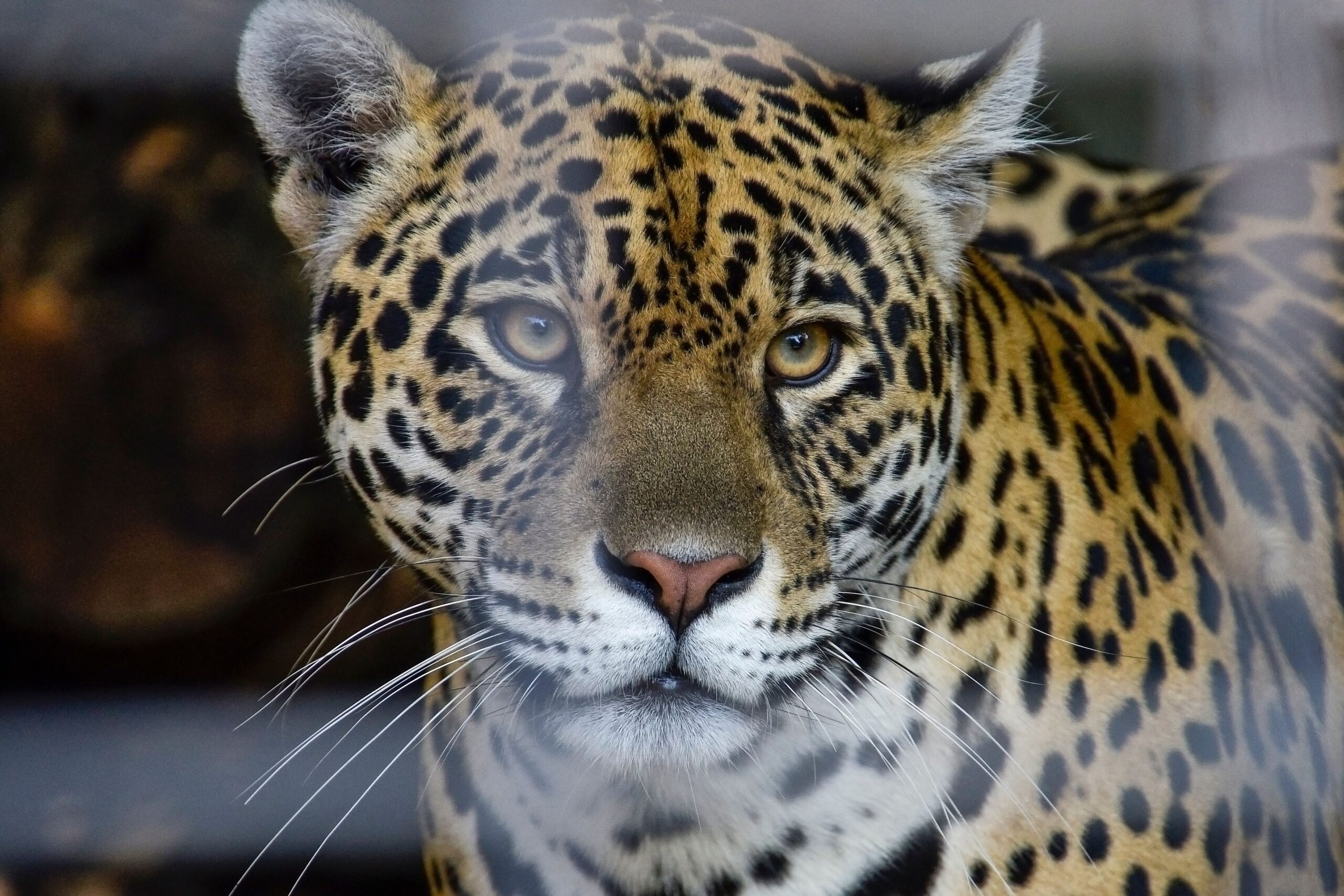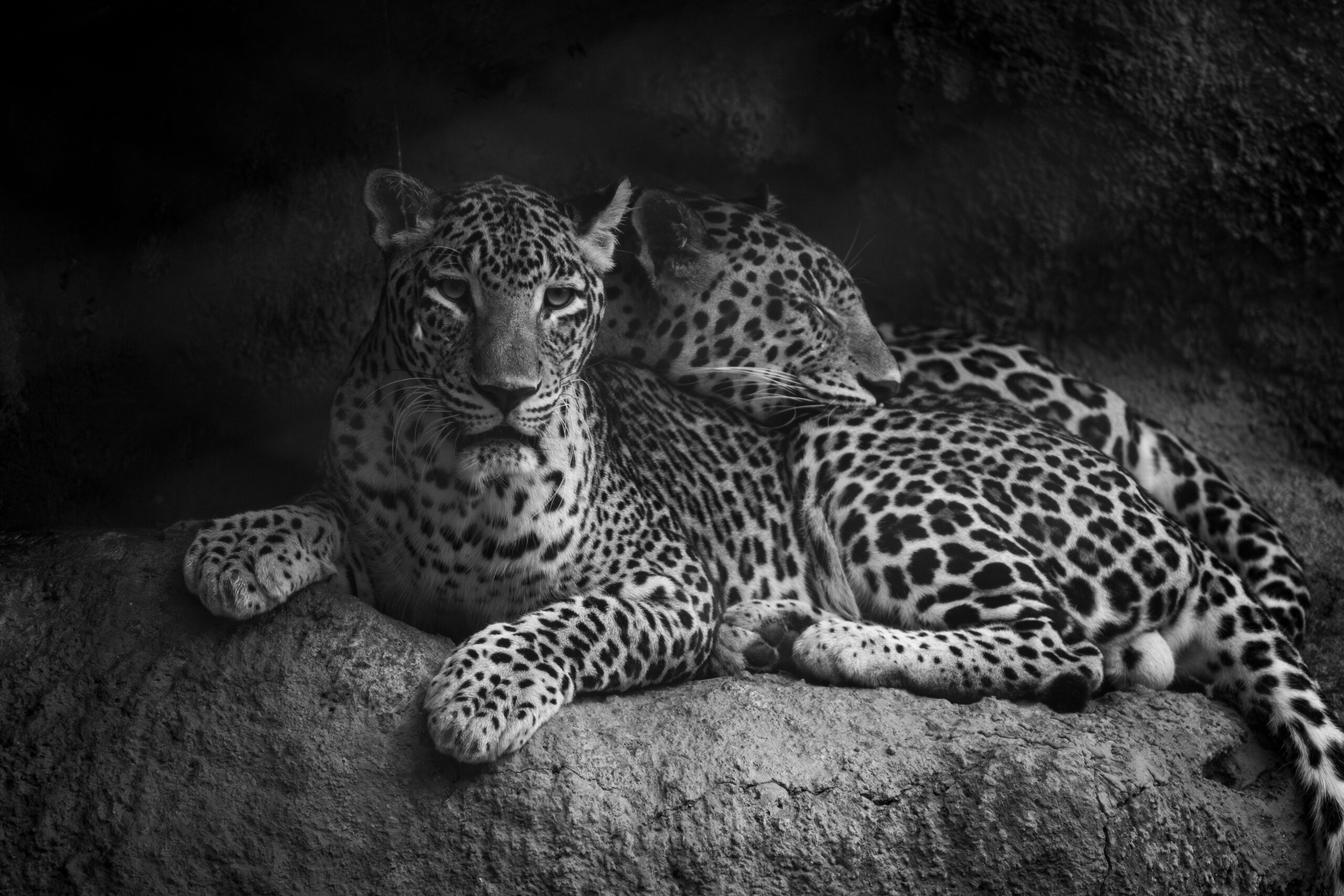
The leopard (Panthera pardus) is the ultimate master of stealth, a solitary phantom capable of thriving where other big cats falter. While lions rule through collaborative muscle and cheetahs rely on pure, open-space velocity, the leopard dominates through architectural agility, perfect camouflage, and an unmatched capacity to adapt to human encroachment.
🐆 Anatomy & Physical Traits
1. Rosettes, Not Spots
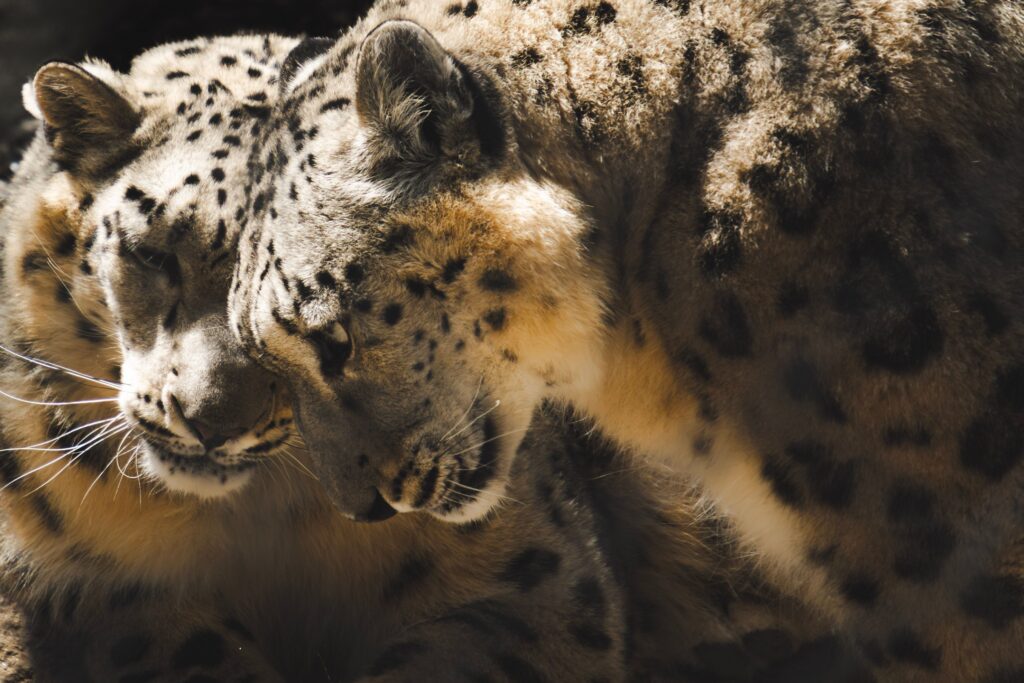
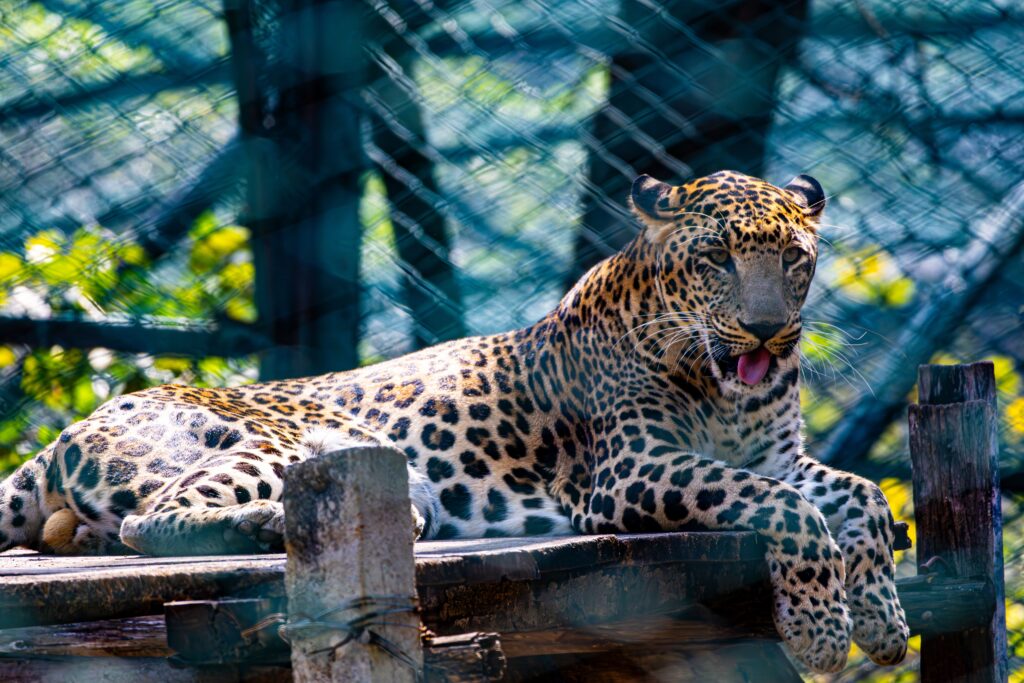
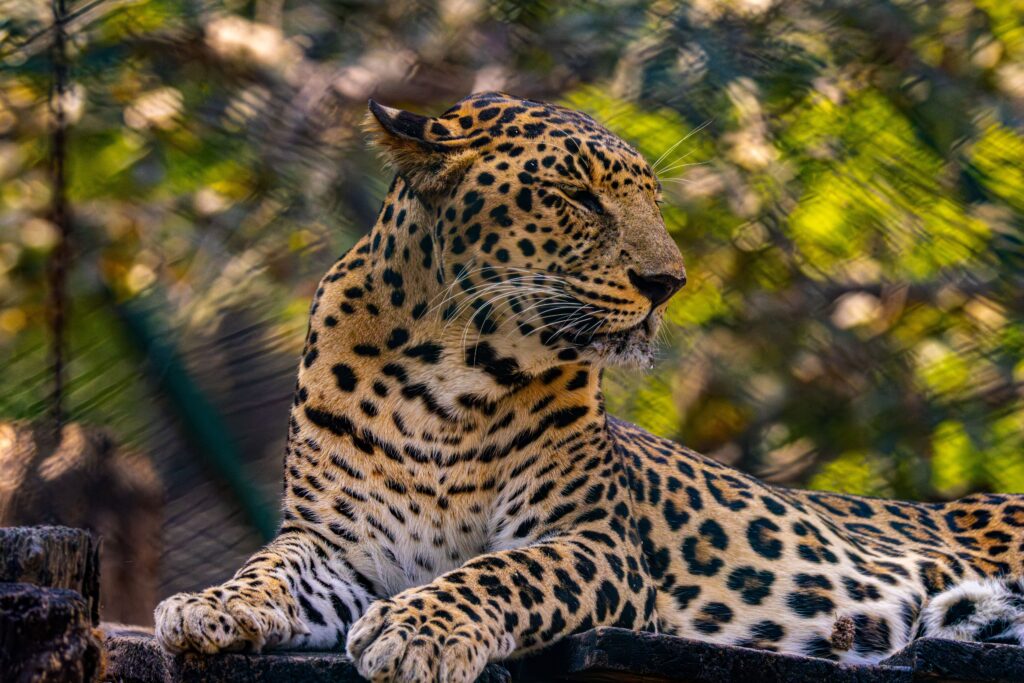
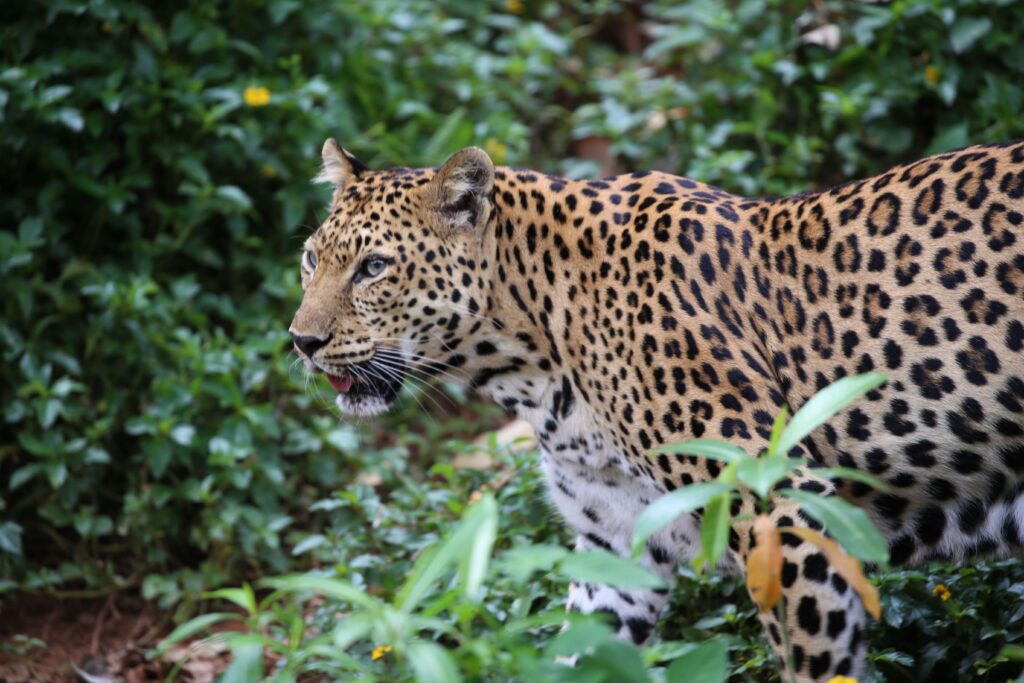
- Unlike cheetahs, which have solid round spots, leopards have a specialized camouflage pattern known as rosettes. These are circular, rose-like markings with a hollow, darker-golden center that break up their outline in shifting light and shadow.
2. Built for Vertical Mobility
- Leopards possess uniquely powerful shoulder muscles and strong, relatively short legs. This specific anatomical design lowers their center of gravity, making them the most physically adapted for climbing among all the big cats.
3. Massive Structural Strength
- Despite being the smallest of the four “roaring” big cats, a leopard’s bone density and muscular structure are incredibly dense. They are pure, compact muscle, allowing them to overpower prey that weighs up to three times their own body mass.
4. The Secret of the Black Panther
- A “black panther” is not a distinct species; it is simply a leopard with a genetic condition called melanism. Their bodies produce an excess of dark pigment, but if you look closely at their coats under direct sunlight, their hidden rosette patterns are still completely visible.
5. Long, Balancing Tails
- A leopard’s tail can measure up to 1 meter (3 feet) in length, accounting for nearly half of its total body span. The tail acts as a vital counterbalance, allowing them to make sharp turns mid-chase and maintain flawless stability while navigating thin tree branches.
🌳 Climbing & Arboreal Lifestyle
6. The Heavy-Lifting Champions
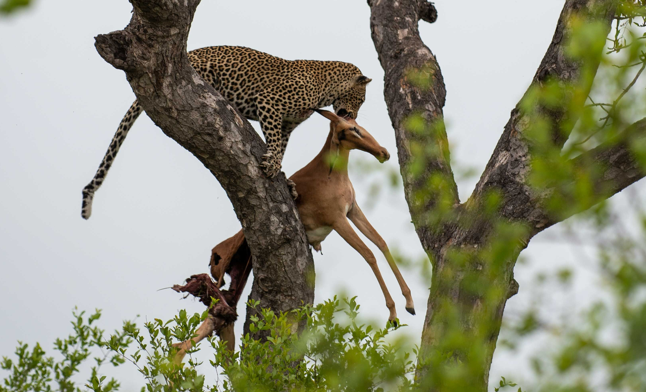
- Leopards routinely kill large prey—such as heavy antelopes or young zebras—and drag the entire carcass vertically up into the branches of a tree. They can haul carcasses weighing over 45 kg (100 lbs) using just their jaws, keeping their food away from ground scavengers.
7. Resting in the Canopy
- Trees are a leopard’s safe haven. They don’t just hunt or store food there; they spend the majority of their days sleeping, grooming, and even giving birth on high branches, completely detached from the dangers of the forest floor.
8. Head-First Descents
- Most cats have to back down a tree trunk slowly because of the shape of their claws. Leopards, however, possess highly flexible ankle joints and strong core muscles that allow them to climb down trees head-first with incredible agility.
🎯 Adaptability, Hunting & Diet
9. The Ultimate Master of Camouflage
- A leopard can hide in grass that is barely a foot high. Their ability to remain perfectly still combined with their disruptive coat pattern makes them virtually invisible until they are within striking distance, which is typically under 5 meters.
10. Opportunistic and Diverse Eaters
- Leopards have the most varied diet of any big cat, consuming over 100 different species. While they prefer medium-sized hooved animals, they will readily hunt birds, rodents, fish, dung beetles, amphibians, and even baboons.
11. Stealth Over Speed
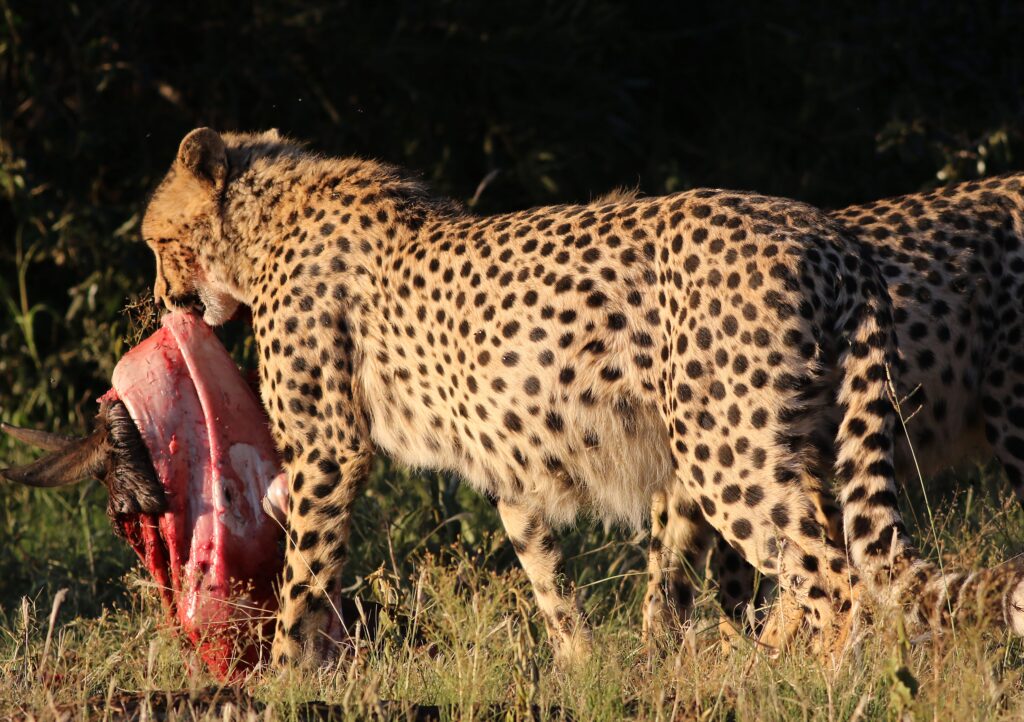
- Unlike the cheetah, which relies on explosive open-field sprinting, the leopard relies on slow, calculated stalking. They spend hours crawling slowly toward a target, utilizing every piece of cover before launching a short, decisive ambush.
12. Urban Survivalists
- Leopards are incredibly adaptable to human encroachment. In several parts of the world, populations live in the direct suburbs of major cities, hunting stray dogs and livestock at night while remaining completely unseen by the human population during the day.
13. Water Independence
- While they are capable swimmers, leopards can survive for long periods without drinking liquid water. They can extract all the moisture they need to survive directly from the bodies and fluids of the prey they consume.
🗣️ Behavior & Communication
14. Completely Solitary Lives
- Leopards are strictly solitary animals. They live and hunt entirely on their own, only interacting with other leopards for a few days to mate, or when a mother is raising her cubs.
15. The “Sawing” Voice
- Leopards do not roar like lions or chuff like tigers. Their primary vocalization is a unique, raspy call that sounds exactly like a wood saw cutting through a rough plank. This sound is used to announce their presence and warn rivals away from their territory.
16. Visual and Chemical Territory Mapping
- To keep track of their massive territories without fighting, leopards leave visual and chemical markers. They scratch deep gashes into tree trunks to show their claw size and spray urine on bushes to leave a scent profile for traveling neighbors.
🍼 Reproduction & Lifecycle
17. Shifting Nursery Locations
- A mother leopard gives birth to a litter of 2 to 3 vulnerable, blind cubs. To protect them from lions and hyenas, she constantly moves the cubs to a new hidden den—such as a cave, hollow tree, or thick brush—every few days.
18. Extended Childhood
- Leopard cubs stay with their mother for up to two years. During this time, they learn the incredibly complex art of stalking and tree-caching food. Once they can successfully hunt large prey on their own, they leave to find their own territory.
🌍 Species Status & Global Footprint
19. The Widest Geographic Distribution
- Of all the wild big cats, the leopard has the largest geographic range. They can be found across vast stretches of sub-Saharan Africa, the Arabian Peninsula, Central Asia, India, and all the way into China and Russia.
20. The Critically Endangered Amur Leopard
- While African leopards are relatively widespread, certain subspecies are on the absolute brink of extinction. The Amur leopard (Panthera pardus orientalis), native to the cold forests of the Russian Far East and northern China, is the rarest big cat on Earth, with only a small number surviving in the wild.