When compiling a list of the deadliest insects on Earth, entomologists and medical professionals don’t just look at the raw potency of an insect’s venom. Instead, true deadliness is measured by vector capacity—an insect’s ability to transmit lethal pathogens, spark global pandemics, and decimate human populations through disease and agricultural destruction.
While some insects can kill a human in minutes with a highly toxic sting, others kill millions annually through silent, microscopic warfare. The top 10 most deadly insects on Earth are detailed below, ranked by their sheer impact on human mortality.
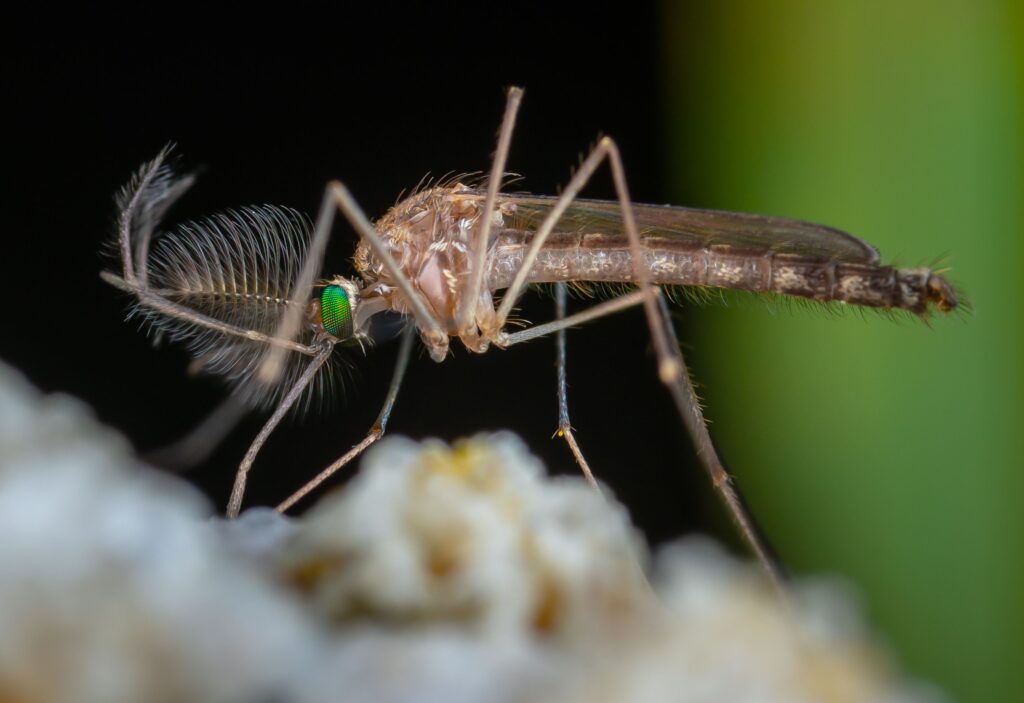
1. The Mosquito (Family Culicidae)
Annual Human Fatalities: 750,000 to 1,000,000+
The Lethal Mechanism: Pathogen transmission vector (Malaria, Dengue, Yellow Fever, Zika).
By a staggering margin, the mosquito is the deadliest creature on earth, outkilling sharks, snakes, and even humans combined. The insect itself isn’t inherently toxic; rather, it acts as a highly efficient biological syringe.
When a female mosquito punctures human skin to feed on blood for egg development, her saliva—which contains natural anticoagulants to keep the blood flowing—mixes with the host’s bloodstream. If she is infected, she transfers microscopic parasites, viruses, or bacteria directly into the victim. The single greatest killer in this suite of diseases is Malaria (transmitted by the Anopheles mosquito), which destroys red blood cells and clogs capillaries in the brain. Despite decades of advanced medical engineering and eradication efforts, mosquitoes remain a massive global health threat, particularly in sub-Saharan Africa and tropical regions.
2. The Tsetse Fly (Genus Glossina)
Annual Human Fatalities: 10,000 to 50,000
The Lethal Mechanism: Transmission of protozoan parasites (Trypanosoma).
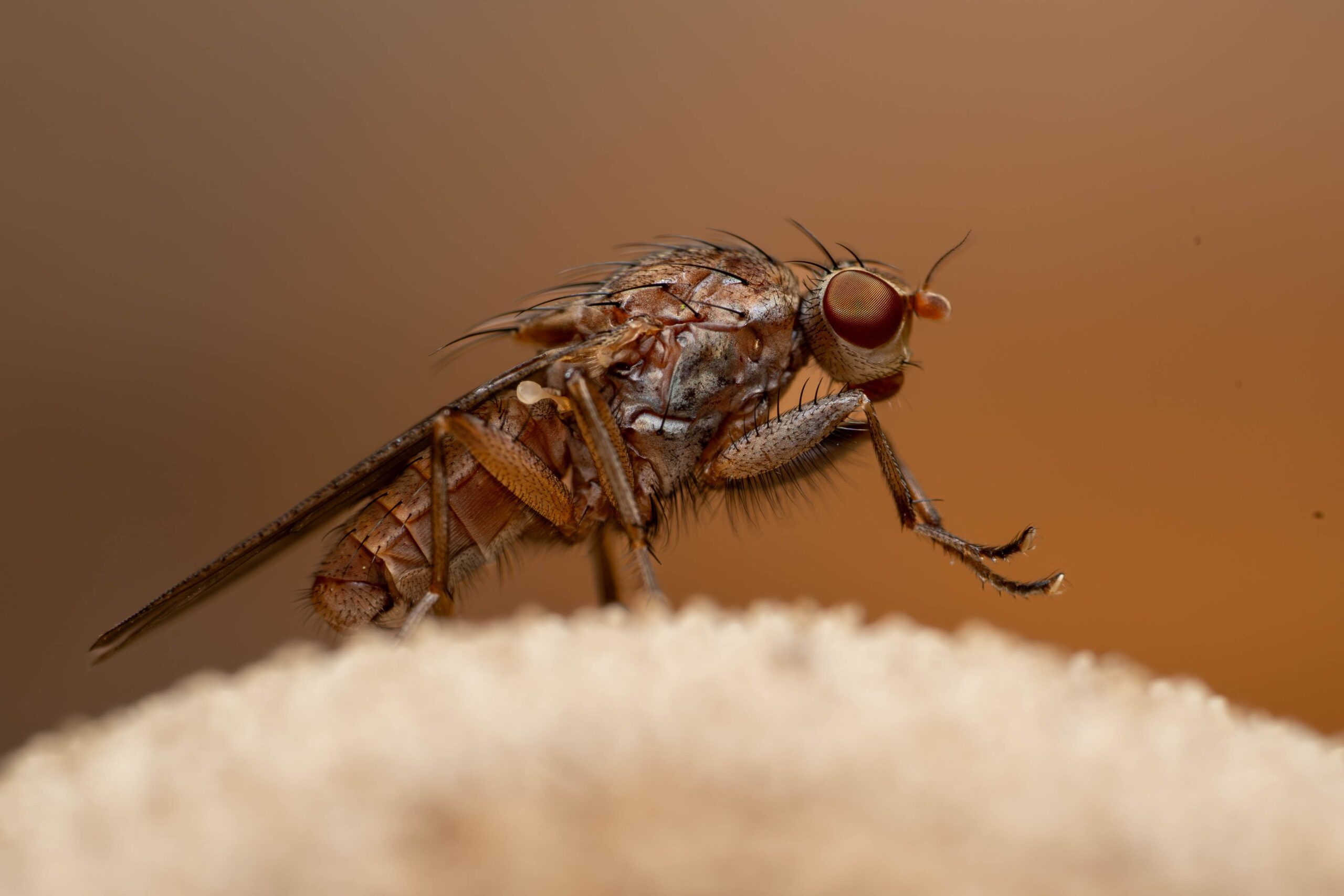
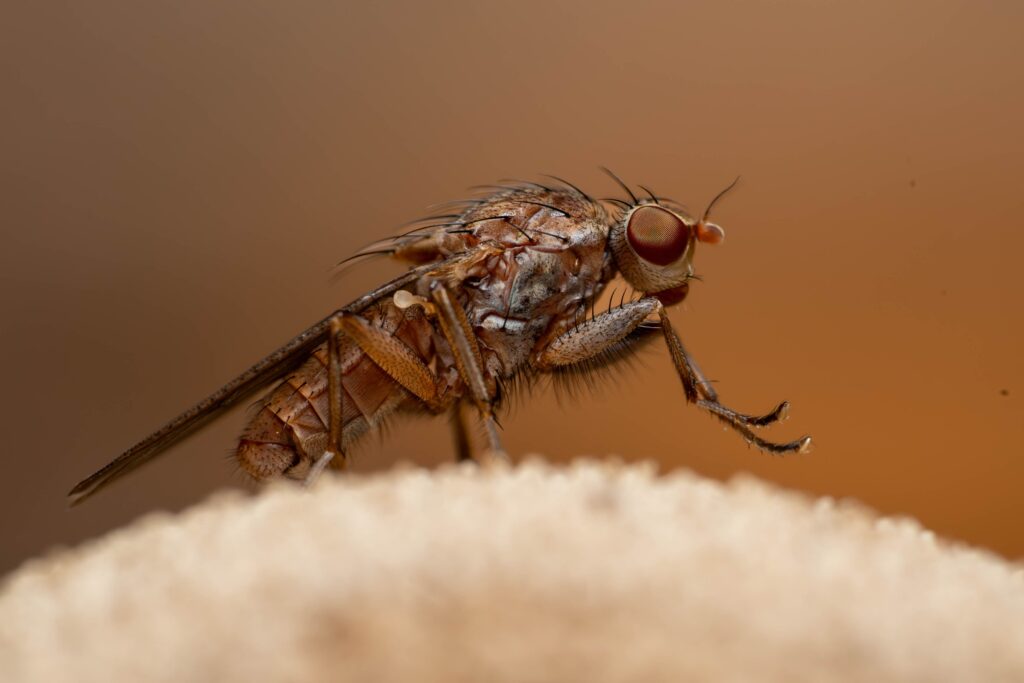
Found primarily in rural, sub-Saharan Africa, the tsetse fly is a large, biting insect that behaves like an apex parasite. It feeds exclusively on the blood of vertebrates, and during the biting process, it transmits a highly dangerous parasite that causes Human African Trypanosomiasis, commonly known as “Sleeping Sickness.”
Once inside the human host, the parasites multiply in the subcutaneous tissues, blood, and lymph nodes, causing bouts of severe fever, joint pain, and profound anemia. The true horror of the disease begins in its second stage, when the parasites cross the blood-brain barrier to invade the central nervous system. This drastically alters the host’s neurological patterns, causing slurred speech, extreme confusion, intense daytime sleepiness paired with nighttime insomnia, and eventually, a total coma leading to systemic neurological death.
3. The Kissing Bug (Subfamily Triatominae)
Annual Human Fatalities: 10,000 to 12,000
The Lethal Mechanism: Fecal contamination of bite wounds (Trypanosoma cruzi parasite).
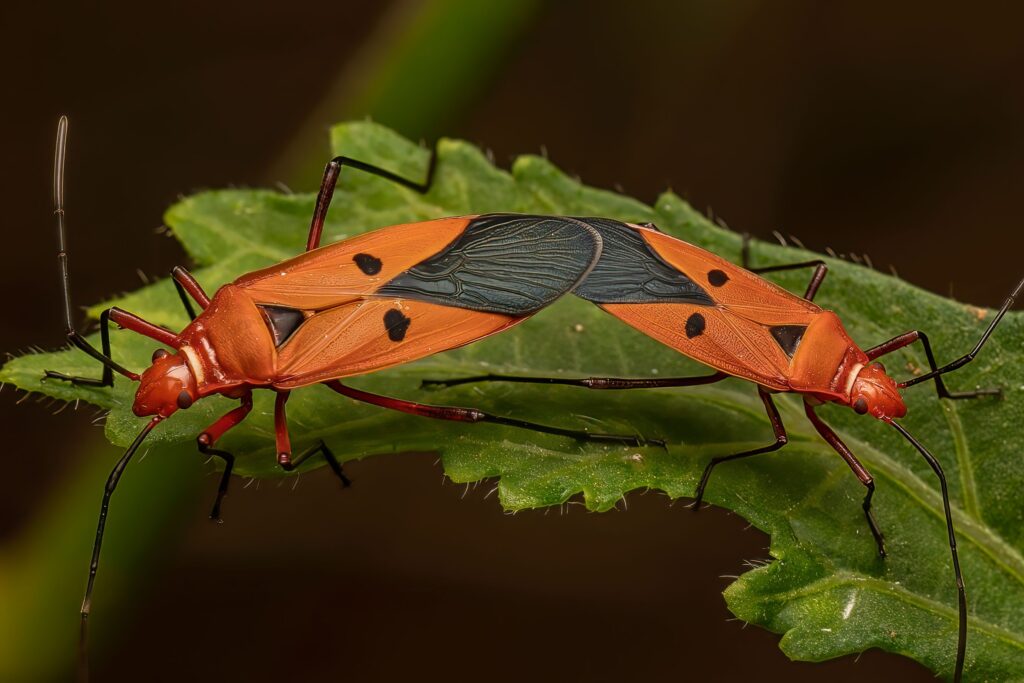
The kissing bug gets its deceptively romantic name from its deeply unsettling habit of biting humans around the soft tissue of their lips, eyes, and face while they sleep. These nocturnal, blood-sucking insects are the primary vectors for Chagas Disease, prevalent across Latin America and the southern United States.
The method of infection is uniquely grotesque: the kissing bug doesn’t transmit the parasite through its saliva. Instead, because its stomach swells rapidly during a blood meal, it routinely defecates right next to the fresh bite wound. When the sleeping victim unconsciously scratches the irritated area, they rub the infected feces directly into the open wound, their eyes, or their mouth. The disease can lay dormant inside the human body for up to 20 or 30 years, quietly causing irreversible, progressive damage to the heart tissue and central digestive system, eventually leading to sudden cardiac arrest or intestinal rupture later in life.
4. The Rat Flea (Xenopsylla cheopis)
Annual Human Fatalities: Thousands historically; hundreds modernly
The Lethal Mechanism: Bacterial transmission (Yersinia pestis).
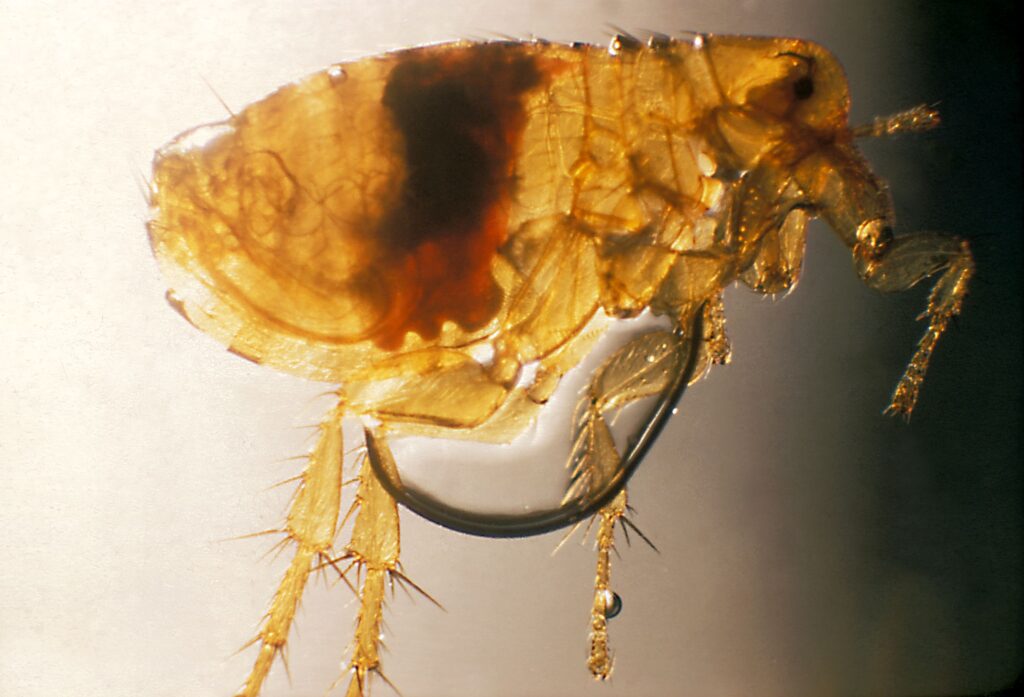
While modern antibiotics have reduced its lethality, the rat flea remains one of the most historically destructive insects to ever exist. This tiny, flightless parasite lives on the blood of rodents, particularly urban rats. It serves as the primary vector for the bacterium Yersinia pestis, the causative agent of the Bubonic Plague.
When an infected rat dies from the plague, the fleas immediately jump ship to find a new warm-blooded host, frequently targeting humans. Once inside the human body, the bacteria migrate to the lymphatic system, causing lymph nodes to swell into agonizing, black, pus-filled boils called “buboes” (hence bubonic). In the 14th century, the rat flea orchestrated the Black Death, which wiped out over one-third of Europe’s entire population, proving just how quickly a flea-borne pandemic can collapse human civilizations.
5. The Africanized Honey Bee (Apis mellifera scutellata)
Annual Human Fatalities: Hundreds
The Lethal Mechanism: Hyper-aggressive swarming and venom saturation.
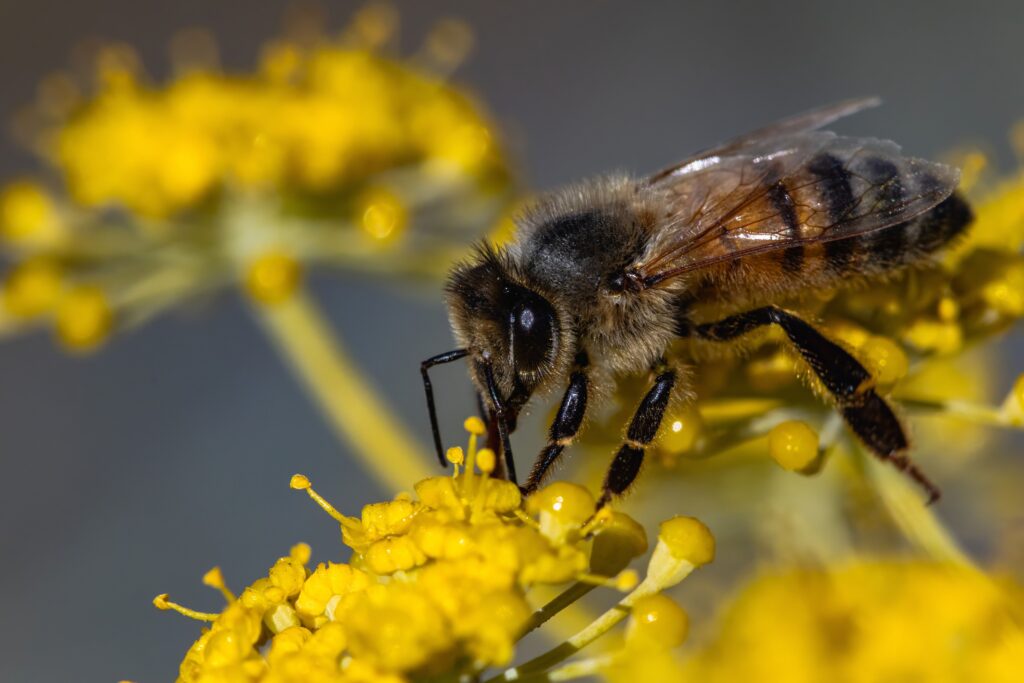
Commonly known as “Killer Bees,” this insect is a man-made evolutionary error. In the 1950s, Brazilian biologists cross-bred European honey bees with African honey bees in an attempt to create a species that could thrive in tropical climates. A few swarms escaped the research labs and rapidly expanded across South, Central, and North America, aggressively outcompeting native bee populations.
While the venom of an individual Africanized bee is no more toxic than a standard European honey bee, their behavioral triggers are radically different. Killer bees are incredibly sensitive to environmental changes and territory encroachment. They deploy a chemical alarm pheromone that rallies the entire hive into a blind frenzy. They will chase a target for over a quarter of a mile, attacking in swarms of thousands. A human caught in a swarm can suffer thousands of stings simultaneously, leading to acute kidney failure and cardiac arrest due to severe venom overload.
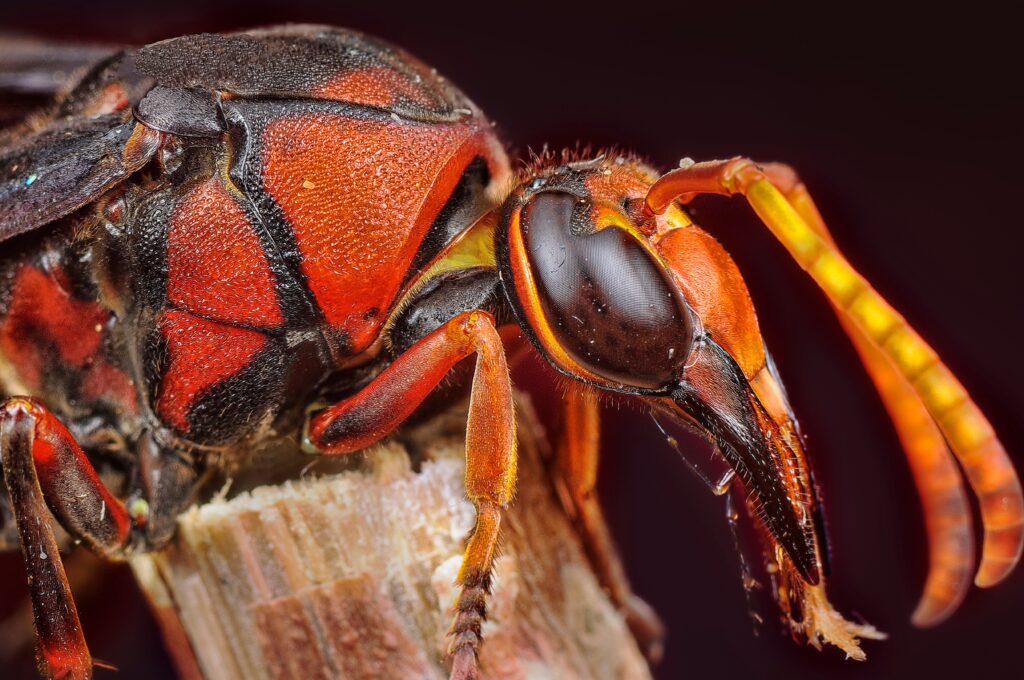
6. The Asian Giant Hornet (Vespa mandarinia)
Annual Human Fatalities: 40 to 50 (primarily in East Asia)
The Lethal Mechanism: Cytolytic and neurotoxic venom cocktail (Cytolysin and Mastoparan).
Measuring up to two inches in length with a three-inch wingspan, the Asian Giant Hornet—frequently called the “Murder Hornet”—is the world’s largest and most formidable hornet species. Native to temperate and tropical East Asia, these apex insects are notorious for completely wiping out entire honey bee colonies in a matter of hours by systematically decapitating thousands of bees.
For humans, an encounter with a murder hornet can easily turn fatal. Their quarter-inch-long stingers are strong enough to puncture heavy leather and protective bee suits. When they strike, they inject massive doses of an incredibly complex venom containing cytolysins (which literally dissolve human flesh and destroy red blood cells) and mastoparans (which can trigger fatal anaphylactic shock even in individuals who are not traditionally allergic to bee stings). Multiple stings from these giant hornets can cause rapid, multi-organ failure and tissue necrosis.
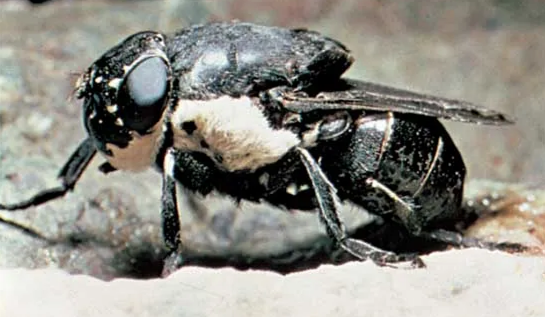
7. The Human Botfly (Dermatobia hominis)
Annual Human Fatalities: Rarely fatal directly; highly destructive
The Lethal Mechanism: Subcutaneous myiasis and secondary bacterial infections.
The human botfly is a parasitic insect found throughout Central and South America. While it rarely ranks as a mass killer, it represents one of the most horrifying examples of parasitic execution in the animal kingdom.
The adult botfly doesn’t actually land on a human to lay eggs. Instead, she captures a female mosquito or horsefly mid-air, glues her eggs directly onto the hitchhiker’s abdomen, and releases her. When that mosquito bites a human, the host’s body heat triggers the botfly eggs to instantly hatch. The microscopic larvae drop onto the skin and burrow directly into the flesh through the mosquito bite or a hair follicle. There, the larva develops over several weeks, breathing through a tiny hole in the skin and feeding on human tissue. If left untreated, the severe infestation (myiasis) can cause deep, agonizing abscesses and trigger systemic, fatal secondary bacterial blood infections.
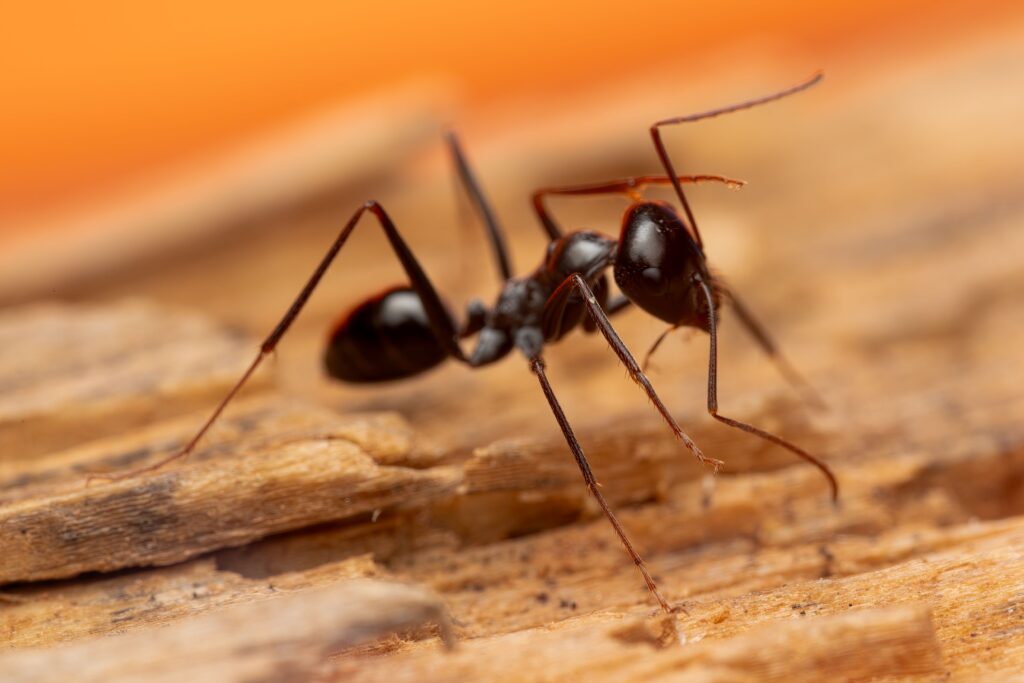
8. The Driver Ant (Genus Dorylus)
Annual Human Fatalities: 20 to 50
The Lethal Mechanism: Mass suffocation and coordinated swarm attacks.
Native to central and east Africa, driver ants (also known as siafu) operate as a single, massive super-organism. They don’t build permanent subterranean nests; instead, they form nomadic colonies numbering up to 20 million individuals, moving across the jungle floor in vast, highly coordinated marching columns.
When food becomes scarce, the column transitions into a “raid,” swarming over every living thing in their path. Their primary weapon is their incredibly powerful, scissor-like mandibles. Once a driver ant bites down, it locks its jaws into place and will not let go, even if its body is torn in half. While a healthy, mobile adult human can easily step away from a marching column, the danger arises for infants, the elderly, or injured individuals who cannot move. The ants swarm the body by the hundreds of thousands, entering the respiratory tract and causing death via rapid asphyxiation and tissue trauma.
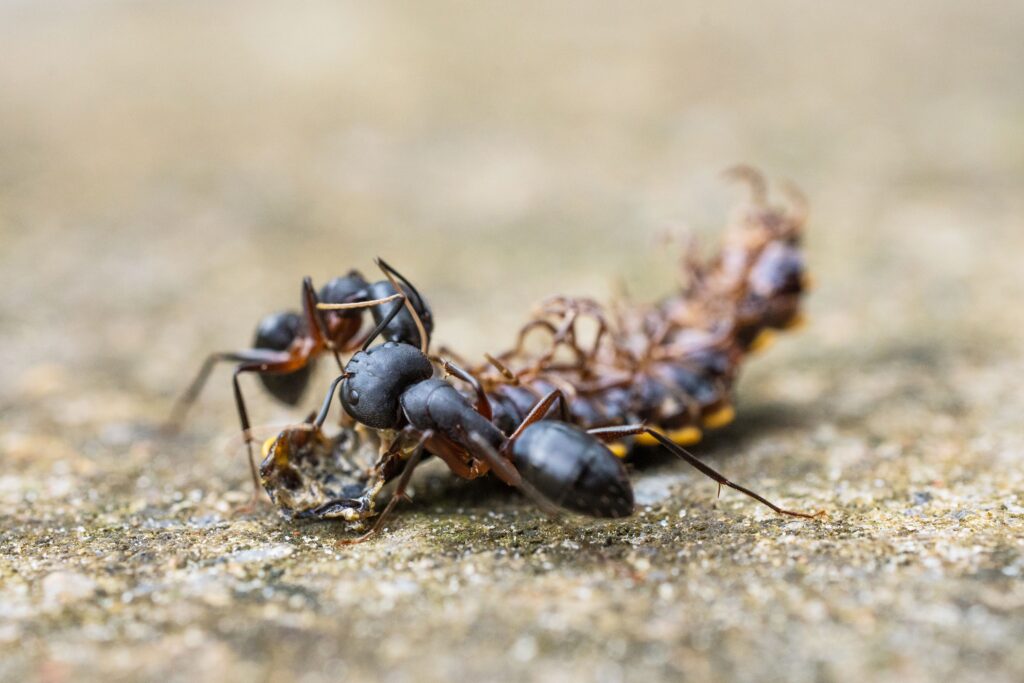
9. The Bullet Ant (Paraponera clavata)
Annual Human Fatalities: Extremely rare directly; induces extreme neurotoxic shock
The Lethal Mechanism: Poneratoxin neurotoxin injection.
Inhabiting the humid, lowland rainforests of Central and South America, the bullet ant is globally famous for possessing the most painful sting of any insect on Earth. According to the Schmidt Sting Pain Index, a bullet ant sting ranks as a “4+”—the absolute maximum level of pain, described as feeling like walking over flaming charcoal with a three-inch rusty nail embedded in your heel.
The intense pain is caused by Poneratoxin, a highly potent, paralyzing neurotoxin that blocks central nervous system communication channels in muscle tissue. The agonizing pain waves ripple through the human body continuously for a full 24 hours, often accompanied by uncontrollable shaking, cold sweating, and temporary paralysis of the affected limb. While a single sting will not kill an adult human, a person who stumbles into a bullet ant nest and suffers dozens of synchronized stings can quickly experience severe neurotoxic shock, causing a dangerous drop in blood pressure and respiratory distress.
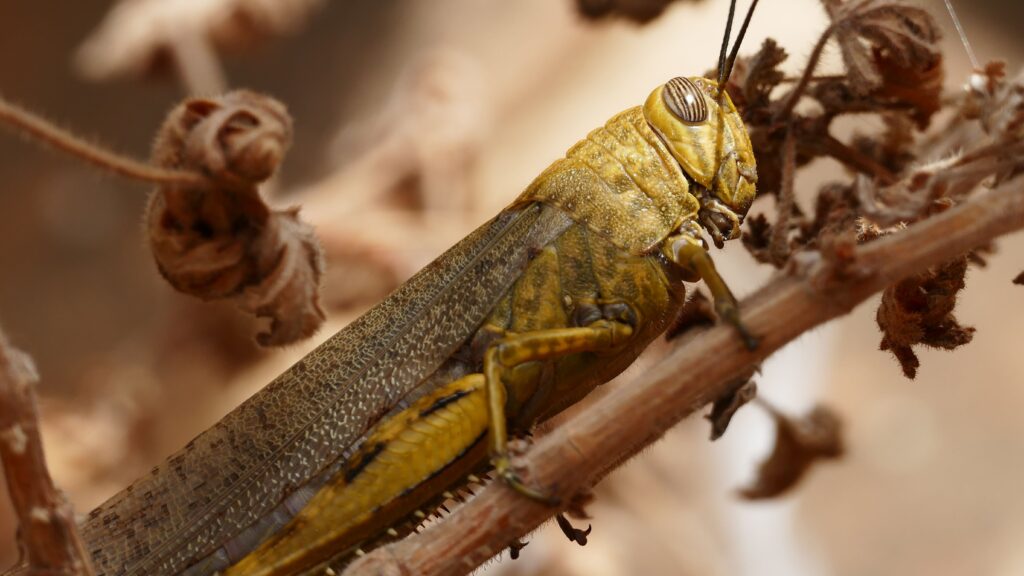
10. The Desert Locust (Schistocerca gregaria)
Annual Human Fatalities: Indirectly millions historically; modern starvation catalyst
The Lethal Mechanism: Massive agricultural decimation and famine generation.
When evaluating how deadly an insect is, the desert locust proves that you don’t need a toxic stinger or a blood-borne parasite to kill humans—you just need an insatiable appetite. Under normal conditions, these locusts are solitary, harmless grasshoppers. However, when a sudden environmental shift triggers a population boom, their bodies release massive amounts of serotonin, causing a radical physical metamorphosis. They change color, aggregate into swarms of billions, and become hyper-migratory.
A single locust swarm can cover hundreds of square miles and contain up to 80 million individual locusts per square mile. A swarm of this magnitude consumes as much food in a single day as 35,000 human beings. They strip entire agricultural valleys bare in a matter of hours, devouring crops, leaves, and bark. By completely obliterating regional food supplies across Africa, the Middle East, and Asia, the desert locust acts as a devastating catalyst for mass famine, indirectly claiming millions of human lives throughout history.