The line between “science fiction” and “reality” has entirely blurred. Technologies that were once restricted to conceptual whitepapers or futuristic movies are currently operating in labs, hospitals, and trial markets around the world.
The top 10 future technologies that already exist are shifting global infrastructure, medicine, and computation.

1. Brain-Computer Interfaces (BCIs)
The Sci-Fi Concept: Controlling digital devices or prosthetics directly with your thoughts.
The Current Reality: Neurotechnology companies like Neuralink and Synchron have moved past animal testing and have successfully implanted chips into human patients. Paralyzed individuals are actively using BCIs to control computer cursors, play video games, and type messages purely via neural signals.
How it works: Microelectrode arrays implanted in or placed on the brain’s motor cortex detect neural firing patterns. Machine learning algorithms decode these electrical spikes into binary commands that digital hardware can execute in real time.

2. Embodied AI & Advanced Humanoids
The Sci-Fi Concept: Highly articulate robotic workers capable of navigating unpredictable human environments.
The Current Reality: The transition from “software AI” to “physical AI” is fully underway. Humanoid models like the Figure 03 and Unitree GD01 feature advanced bi-pedal balance, articulate hands with tactile feedback, and vision-language-action models (VLAMs). Instead of being pre-programmed for a single path, these machines can be told in plain English to “pick up that specific tool and bring it to the workbench,” adapting dynamically to obstacles.
Where it’s used: Active pilot programs in automotive assembly lines, manufacturing warehouses, and logistical sorting facilities.

3. Commercial Space Stations
The Sci-Fi Concept: Private orbital research labs and space hotels operating independently of government space agencies.
The Current Reality: As the International Space Station (ISS) nears its scheduled decommissioning, private space infrastructure companies are stepping in. Axiom Space, Vast, and Blue Origin (with Orbital Reef) have already built and vacuum-tested commercial orbital modules. Private entities are preparing for the deployment of fully commercial habitats to support low-gravity manufacturing, pharmaceutical crystallization research, and space tourism.

4. Next-Generation Small Modular Reactors (SMRs)
The Sci-Fi Concept: Compact, hyper-safe nuclear energy sources that eliminate the threat of cataclysmic meltdowns.
The Current Reality: Traditional nuclear plants take a decade to build and cost billions. Modern Next-Gen SMRs utilize novel fuel designs (like TRISO particles, which cannot melt down under extreme temperatures) and alternative coolants like molten salt or helium gas.
Why it matters: These compact, factory-fabricated reactors can be shipped directly to locations via truck or rail. Tech giants are aggressively investing in this sector to provide dedicated, zero-carbon baseload electricity directly to energy-hungry AI hyperscale data centers.
5. Embryo Genome Scoring
The Sci-Fi Concept: Scanning embryos to predict complex polygenic traits and disease risks before pregnancy.
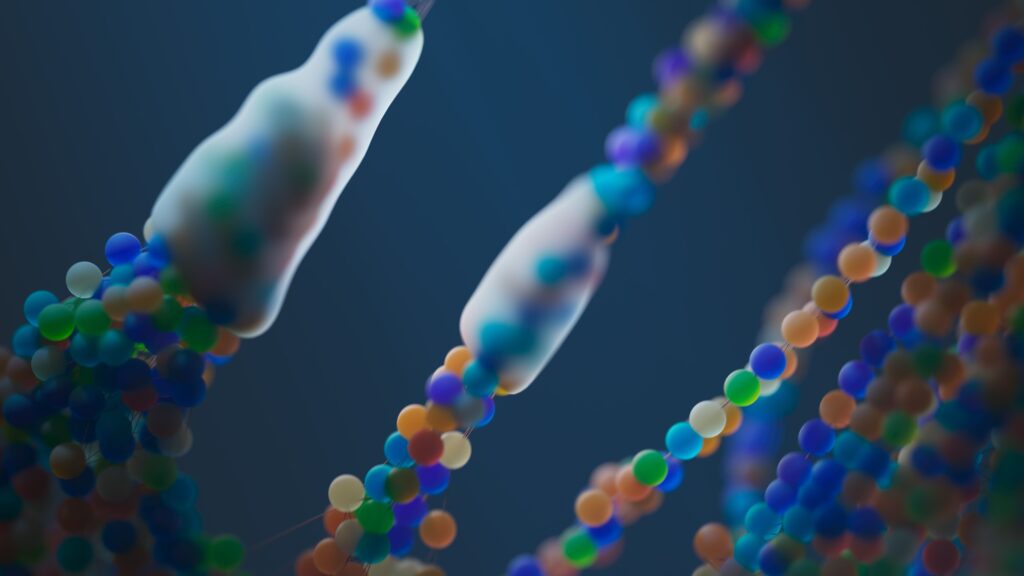
The Current Reality: Genetic diagnosis during In Vitro Fertilization (IVF) used to be restricted to catching single-gene mutations (like Huntington’s disease). Now, advanced computational biology allows for polygenic risk scoring.
How it works: A multi-biomarker platform sequences an embryo’s DNA from a single-cell biopsy, using statistical modeling to calculate a risk index for complex, multi-gene conditions like Type 2 diabetes, coronary artery disease, and certain cancers before implantation occurs.
6. Autonomous Multi-Agent AI Systems
The Sci-Fi Concept: Software that operates completely independently, communicating with other AI systems to run entire corporations.
The Current Reality: Artificial intelligence has advanced past simple chat prompts. Multi-agent frameworks allow distinct AI models to be given specialized roles (e.g., Lead Developer, Quality Assurance, Project Manager). They communicate over internal loops, assign each other sub-tasks, write and debug software patch cycles, and execute end-to-end digital tasks without human intervention.
7. 3D Bioprinting of Living Tissues
The Sci-Fi Concept: On-demand printing of functional human organs to entirely eliminate organ transplant waiting lists.
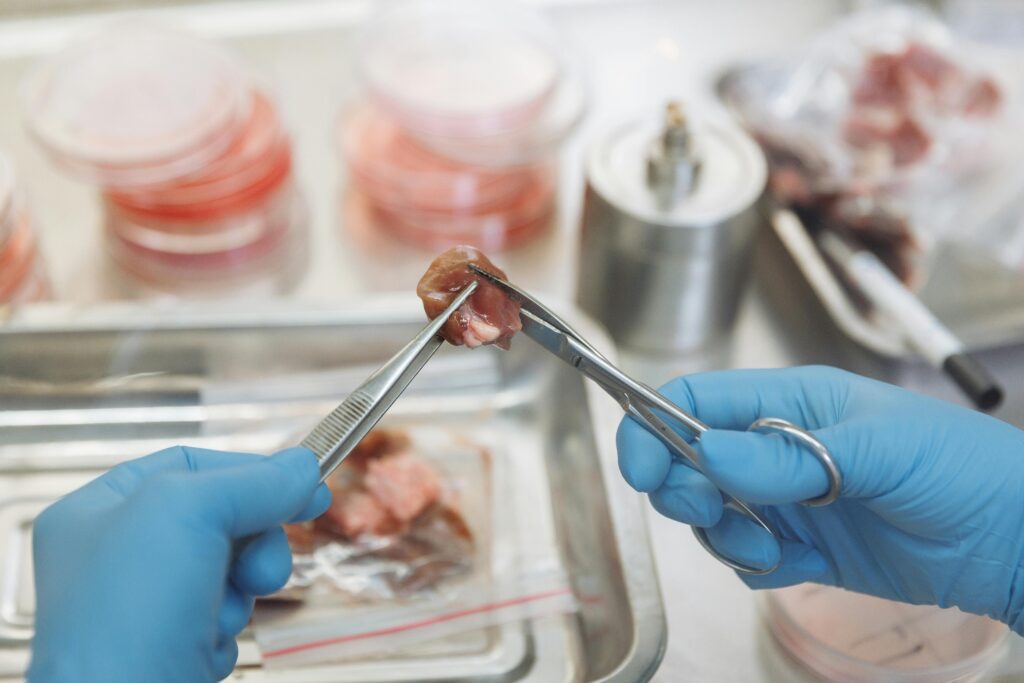
The Current Reality: While printing a fully vascularized, adult human heart remains a future goal, the core mechanics are operational. Labs are actively using specialized 3D printers that deploy “bio-inks” composed of living cells, collagen, and synthetic hydrogels.
Current applications: Scientists are printing functional liver tissue patches, skin grafts for burn victims, and complex blood vessel networks. These printed tissues are heavily used by pharmaceutical firms to test experimental drugs without human or animal risk.

8. Quantum Sensing and Edge Computing
The Sci-Fi Concept: Computers that calculate at impossible speeds and sensors that can map subterranean structures from the surface.
The Current Reality: Beyond traditional room-sized quantum computers accessed via the cloud, quantum technologies have shrunk into mobile form factors. Quantum sensors exploit the extreme sensitivity of subatomic particles to detect tiny fluctuations in gravitational and magnetic fields.
Where it’s used: Autonomous vehicles use them for ultra-precise navigation when GPS signals are jammed or blocked, and geological exploration teams use them to create highly accurate underground maps without drilling.

9. AI-Contextual Smart Glasses (Metalenses)
The Sci-Fi Concept: Lightweight, everyday spectacles that overlay flawless digital data onto the real world.
The Current Reality: The transition away from clunky VR headsets is driven by metalenses—flat, microscopic optical structures thinner than a sheet of paper that replace bulky curved glass lenses. When combined with multimodal AI models and onboard outward-facing cameras, devices like the Meta Ray-Ban framework allow users to glance at an object, text, or foreign street sign and receive real-time translation and contextual auditory feedback instantly.
10. Synthetic Biology Platforms (Base Editing)
The Sci-Fi Concept: Programming cellular DNA with the same precision as writing a line of computer code.
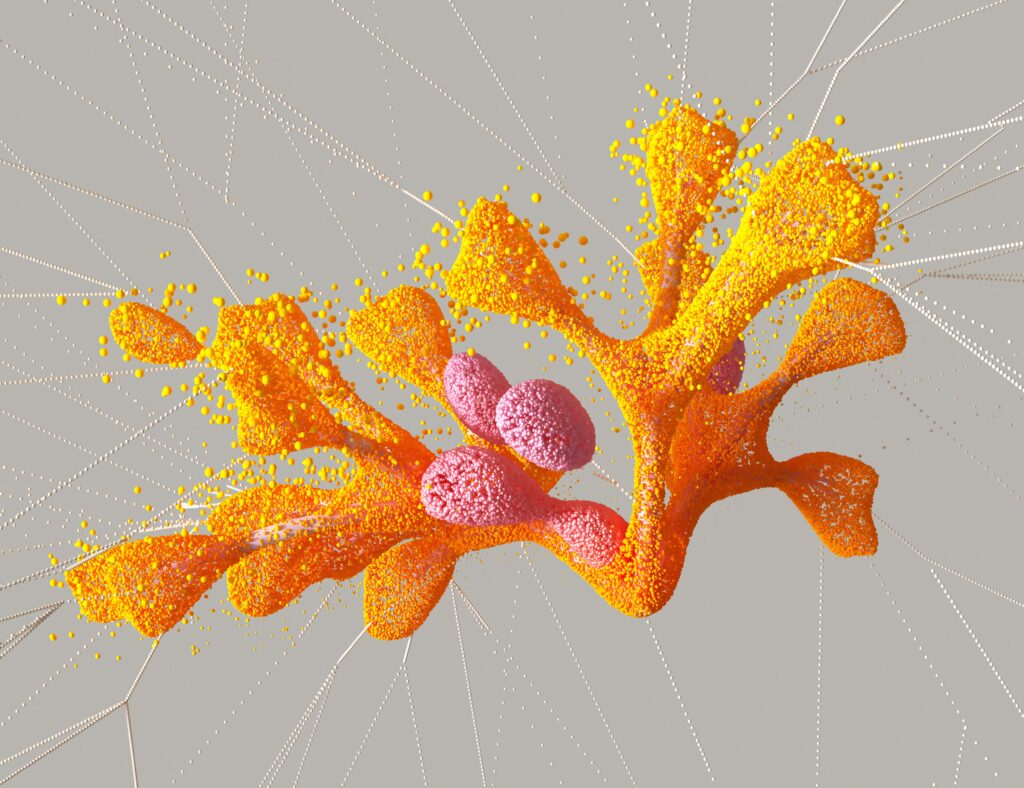
The Current Reality: While traditional CRISPR genetic tools act like “scissors” that cut out sections of DNA, base-editing platforms act like word processors. They allow scientists to change a single chemical base pair (such as converting a C to a T) without breaking the double-helix structure of the DNA.
The Impact: This ultra-precise genetic surgery is being used in clinical trials to permanently cure inherited blood disorders like sickle cell anemia and engineering custom microbes capable of producing sustainable bioplastics.