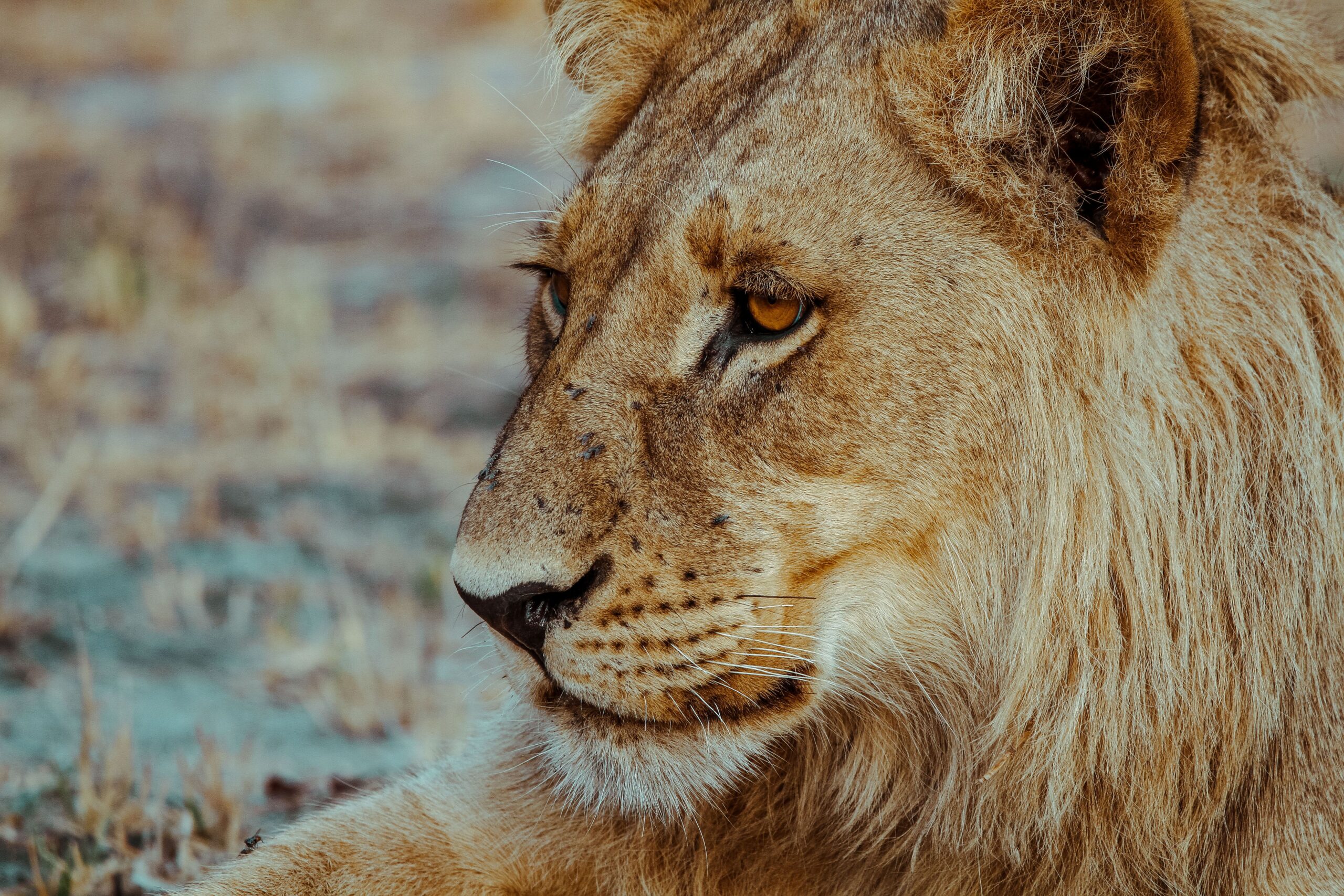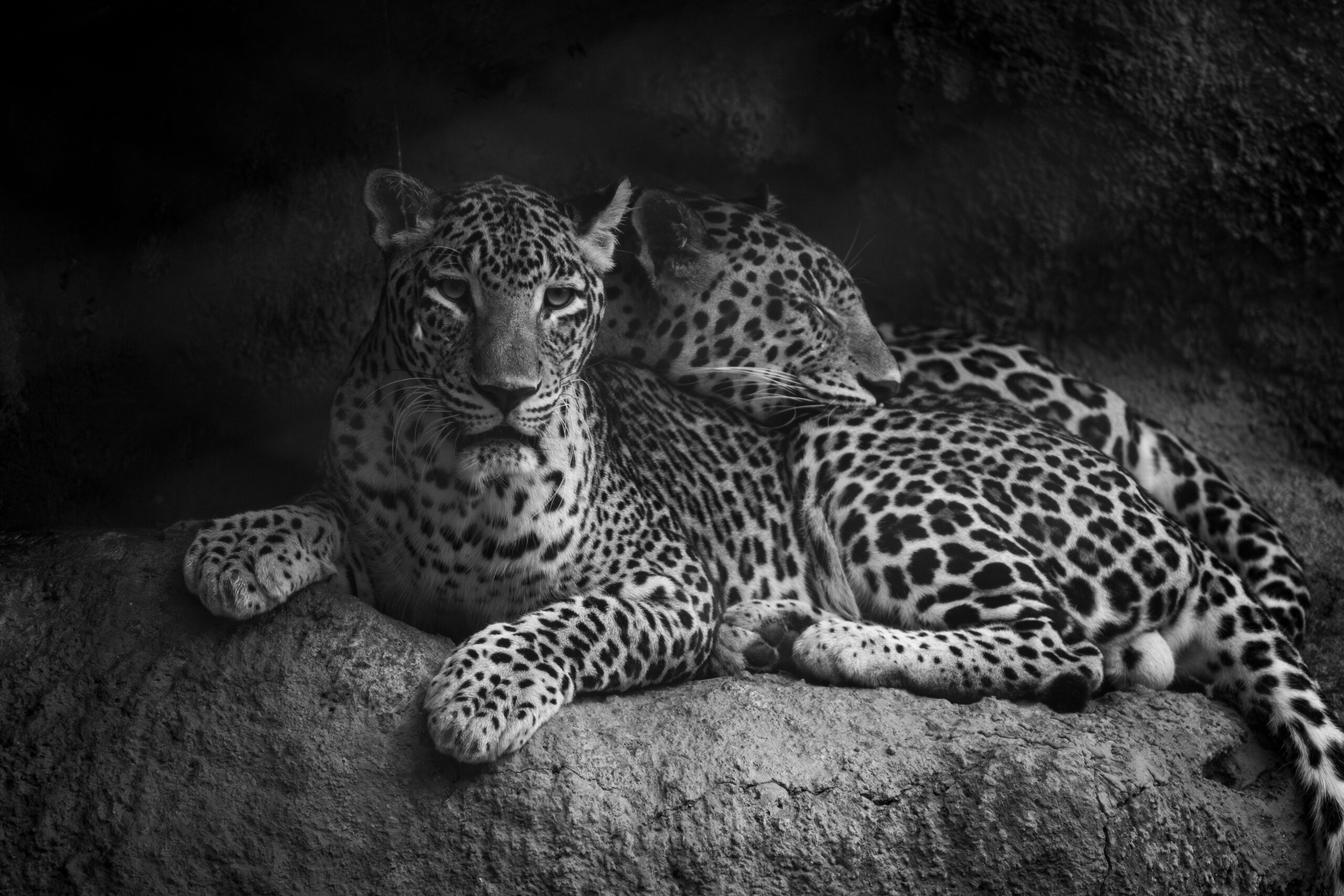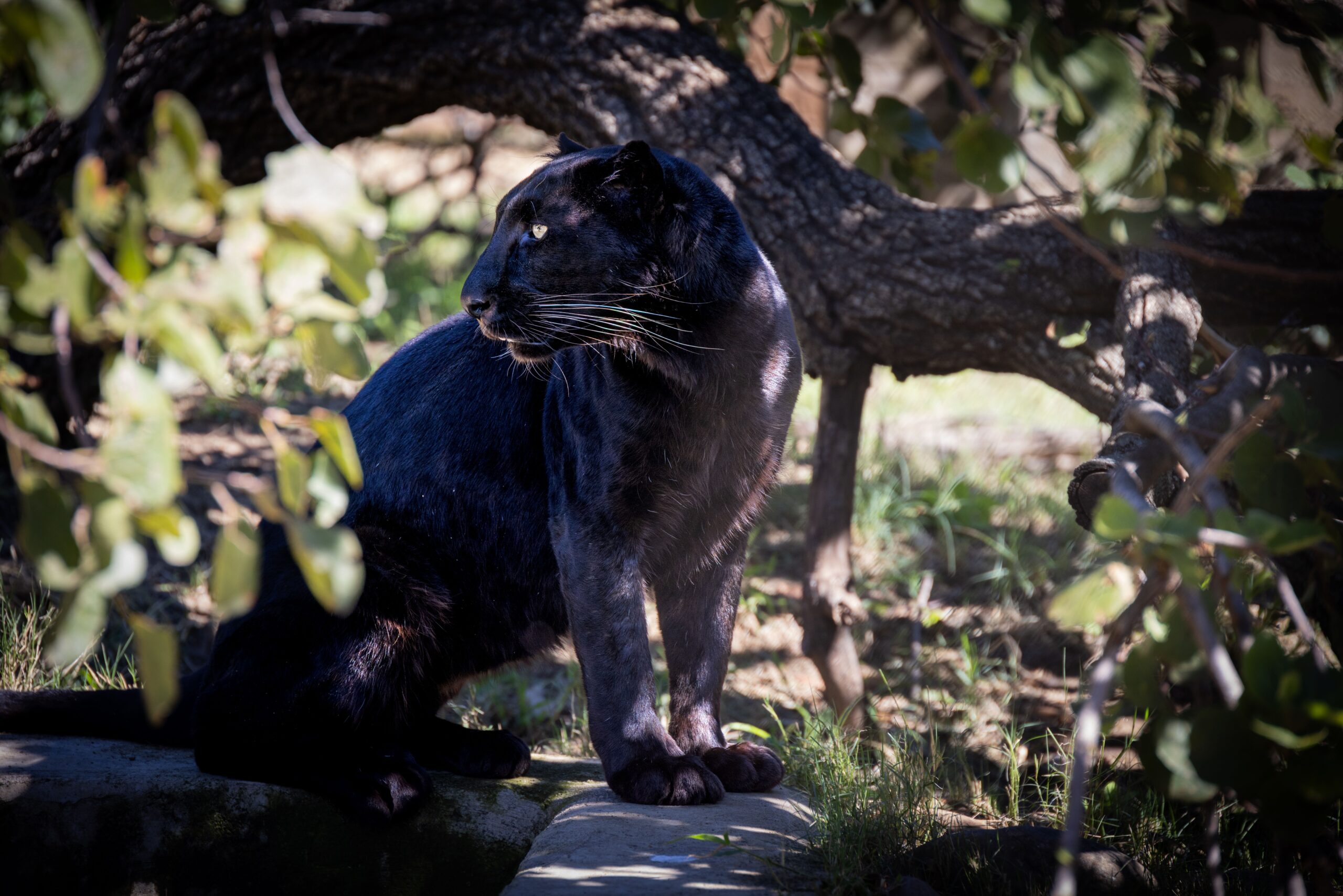
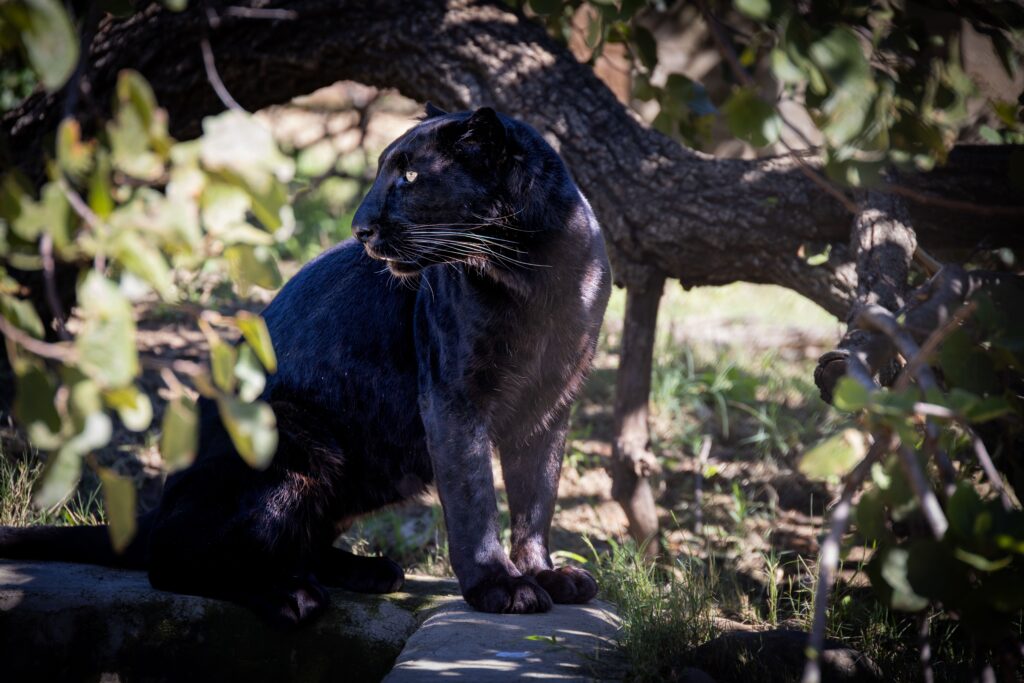
The term “panther” is one of the most misunderstood names in the animal kingdom. Scientifically, there is no single species called a “panther.” Instead, it is an umbrella term used to describe several big cats within the genus Panthera, most notably melanistic (all-black) leopards and jaguars, as well as the mountain lions of North America.
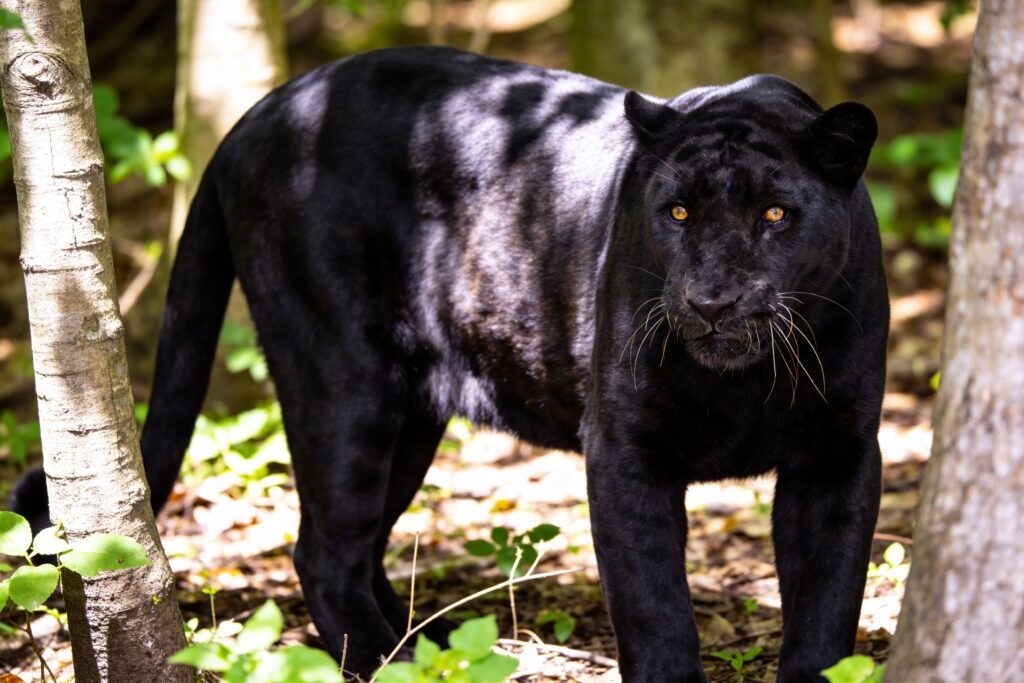
🖤 The Science of the “Black Panther”
1. An Umbrella Term, Not a Species
- “Panther” is a broad term. In Africa and Asia, a black panther is a melanistic leopard (Panthera pardus). In Central and South America, a black panther is a melanistic jaguar (Panthera onca). In North America, the term is often used for the Florida panther, which is actually a subspecies of cougar/mountain lion (Puma concolor).
2. The Ghostly “Ghost Rosettes”
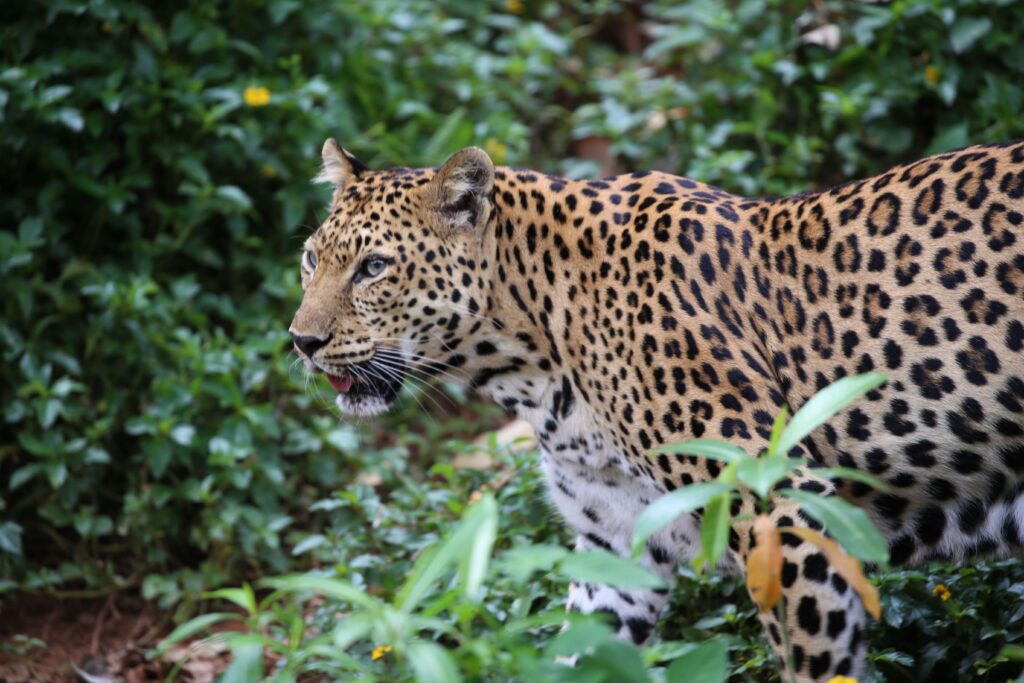
- Black panthers are not entirely solid black. If you look at their coats under bright, direct sunlight, you can see “ghost rosettes.” These are the classic circular camouflage spots of leopards and jaguars hidden just beneath the surface of their dark fur.
3. The Genetic Trick Behind the Color
- The dark coat is caused by a genetic mutation known as melanism, which creates an overproduction of the dark pigment melanin. Interestingly, the mutation is a recessive gene in leopards (both parents must carry it), but a dominant gene in jaguars (only one parent needs to pass it on).
4. Evolutionary Advantage (Adaptive Melanism)
- Melanism isn’t just a cosmetic quirk; it’s an evolutionary strategy. Black panthers are far more common in dense, tropical rainforests with low light levels (such as the jungles of Malaya or the Amazon). The dark coat allows them to blend seamlessly into deep shadows where normal spotted cats might stand out.
5. Immune System Boost
- Some evolutionary biologists believe that the genetic mutation causing melanism does more than change fur color. Studies suggest that the increase in melanin is linked to a more resilient immune system, offering these cats better resistance against specific tropical diseases and parasites found in dense jungles.
🐆 The Panthera Genus Heavyweights (Leopards vs. Jaguars)
6. Two Completely Different Shapes
- Because a black panther can be either a leopard or a jaguar, their body shapes vary wildly. If it’s a jaguar panther, it will be stocky, deeply muscular, and possess a broad jaw. If it’s a leopard panther, it will be longer, sleeker, and built more for lithe, acrobatic movements.
7. The Bone-Crushing Bite of the Jaguar Panther
- If the black panther is a jaguar, it possesses the most powerful bite relative to its size of any big cat. While lions and tigers suffocate prey by clamping down on the throat, a jaguar panther can bite directly through the thick hides of caimans, turtle shells, and the temporal bones of a mammal’s skull.
8. The Arboreal Masterclass of the Leopard Panther
- If the black panther is a leopard, it is an absolute master of the trees. These panthers can carry prey weighing more than themselves vertically up into the canopy to keep it away from ground competitors like hyenas or tigers, a feat a jaguar panther rarely attempts.
🌲 The North American “Panther” (The Florida Panther)
9. A Completely Different Color Palette
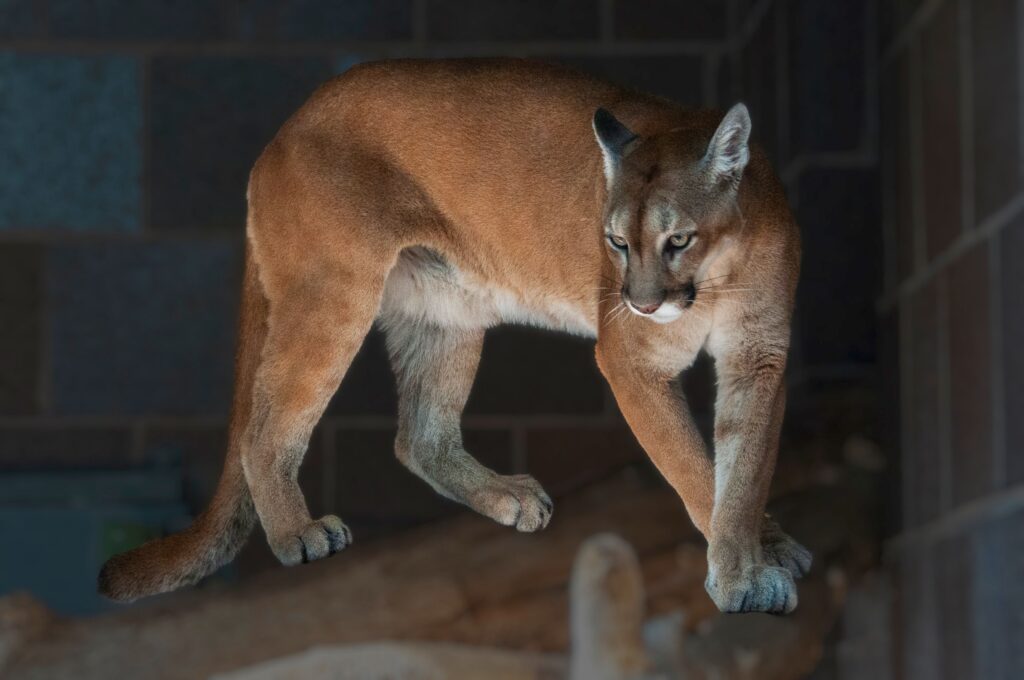
- Unlike its tropical namesakes, the Florida panther is never black. It is tawny, tan, or grayish-beige with a white underbelly. It is a highly specialized, critically endangered population of the mountain lion adapted to the swamps and pinelands of southern Florida.
10. Crooked Tails and Cowlicks
- Due to severe historical overhunting, the Florida panther went through a severe genetic “bottleneck.” As a result of extreme inbreeding in the 20th century, many individuals developed unique physical anomalies, including a distinct 90-degree kink at the end of their tails and cowlicks of fur on their backs.
11. The Texas Lifeline
- To save the Florida panther from extinction due to inbreeding defects, conservationists pulled a radical move in 1995 by introducing eight female Texas cougars into the Florida Everglades. This genetic rescue successfully diversified the gene pool, bringing the population back from the brink of total collapse.
🎯 Hunting, Senses & Daily Life
12. The Ultimate Night Stalkers
- Panthers are predominantly nocturnal and crepuscular (active at dawn and dusk). Their dark coloration makes them the ultimate night hunters. They have a reflective layer behind their retinas (tapetum lucidum) that amplifies light, giving them night vision that is roughly six times sharper than a human’s.
13. A Stealth-First Strategy
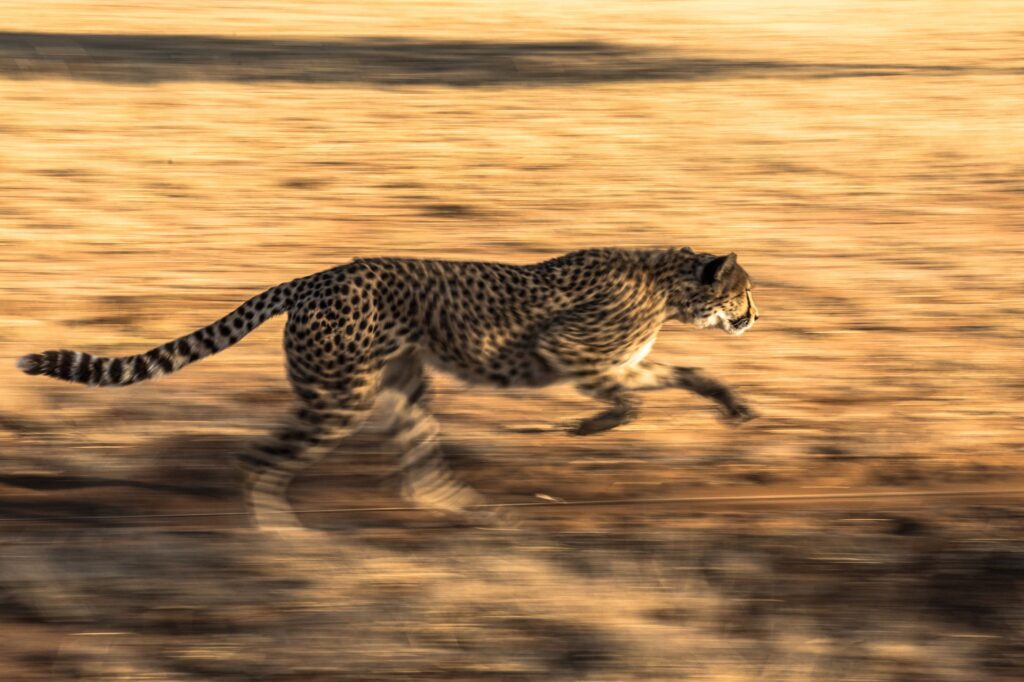
- Panthers are solitary, ambush predators. They do not run down their prey over long distances like cheetahs or wolves. Instead, they utilize dense cover to creep within a crucial 5-to-10-meter radius before launching an explosive, short-distance pounce.
14. Lovers of the Water
- Unlike most small cats, tropical panthers (especially the jaguar variants) love the water. They are highly proficient swimmers and will actively hunt for fish, turtles, and caimans directly in rivers, using their paws to scoop fish out onto the banks.
15. A Quiet, Solitary Existence
- Panthers are fiercely territorial and live completely independent lives. An adult male’s territory can span dozens of square miles, which he will aggressively defend against other males. They only seek out the company of other panthers for a few brief days during the mating season.
🗣️ Communication & Lifecycle
16. To Roar or to Scream?
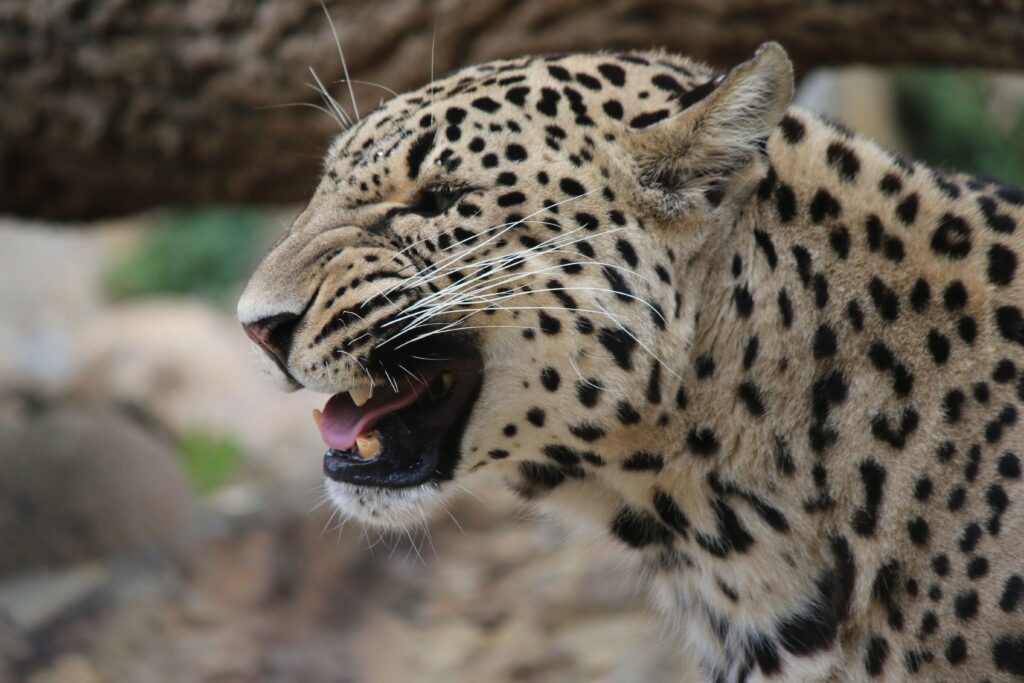
- Leopard and jaguar panthers possess a specialized, flexible hyoid apparatus and a thick vocal cord structure that allows them to produce a true, deep roar. The North American Florida panther (cougar), however, lacks this anatomy; it cannot roar, but it can hiss, purr, growl, and emit a chilling, human-like scream.
17. Blue-Eyed, Spotted Babies
- Panther cubs are born blind, helpless, and surprisingly tiny, usually weighing just 1 to 2 pounds. Regardless of whether they will grow up to be solid black or tawny, almost all panther cubs are born with striking blue eyes and a heavily spotted coat that acts as camouflage while they hide in the den.
18. Extended Flight Training
- A mother panther raises her cubs completely alone without any assistance from the male. The cubs stay under her strict guidance for up to two full years, during which they must master the highly complex arts of silent stalking, territory navigation, and high-altitude hunting before being driven off to find their own home.
🌍 Global Standing & Culture
19. Cultural Icons of Power
- Throughout history, the black panther has been revered as a symbol of stealth, leadership, and martial prowess. From ancient Mesoamerican civilizations celebrating the jaguar as a god of the underworld to modern pop culture icons like Marvel’s Black Panther, these animals have captured human imagination like few other creatures.
20. Facing a Fragmented Future
- No matter which cat the name refers to, all panthers face severe threats in the wild. Habitat fragmentation, human-wildlife conflict over livestock, and illegal poaching continue to squeeze their numbers. Protecting large, connected corridors of wilderness is the only way to ensure these shadow cats keep hunting.