The ocean’s midwater and abyssal zones represent Earth’s largest and least explored habitable ecosystems. Historically, identifying a new deep-sea organism could take taxonomists decades. However, a massive global push in marine exploration—propelled by initiatives like the Nippon Foundation-Nekton Ocean Census and high-tech expeditions by the Schmidt Ocean Institute aboard the R/V Falkor (too)—has accelerated discoveries using in-situ genetic sequencing and advanced 3D robotic imaging.
The deep ocean has recently revealed incredible new species that push the boundaries of evolutionary biology. Here are detailed, lengthy descriptions of 10 remarkable deep-sea creatures recently discovered or classified.
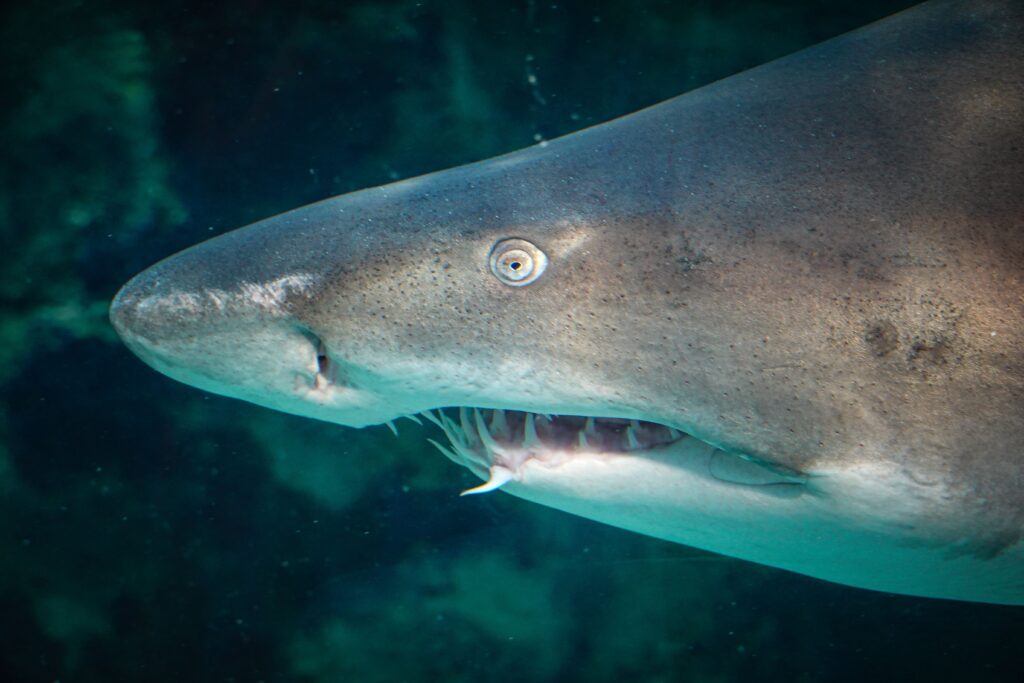
1. The ‘Ghost Shark’ Chimaera (Chimaera sp.)
Discovery Location: Coral Sea Marine Park, Australia
Depth Discovered: 802 – 838 meters
The Details: Discovered by taxonomists during a CSIRO expedition, this newly identified ghost shark belongs to an ancient group of cartilaginous fish that diverged from sharks and rays nearly 400 million years ago—predating the dinosaurs.
Unlike shallow-water sharks, this deep-sea chimaera possesses large, haunting, translucent eyes designed to capture the faintest traces of bioluminescence in the dark water column. Instead of rows of sharp teeth, it has distinct mineralized tooth plates used to crush hard-shelled crustaceans on the sea floor. Its skin is completely scaleless, smooth, and pale, giving it an eerie, ethereal appearance as it glides just above the seabed.
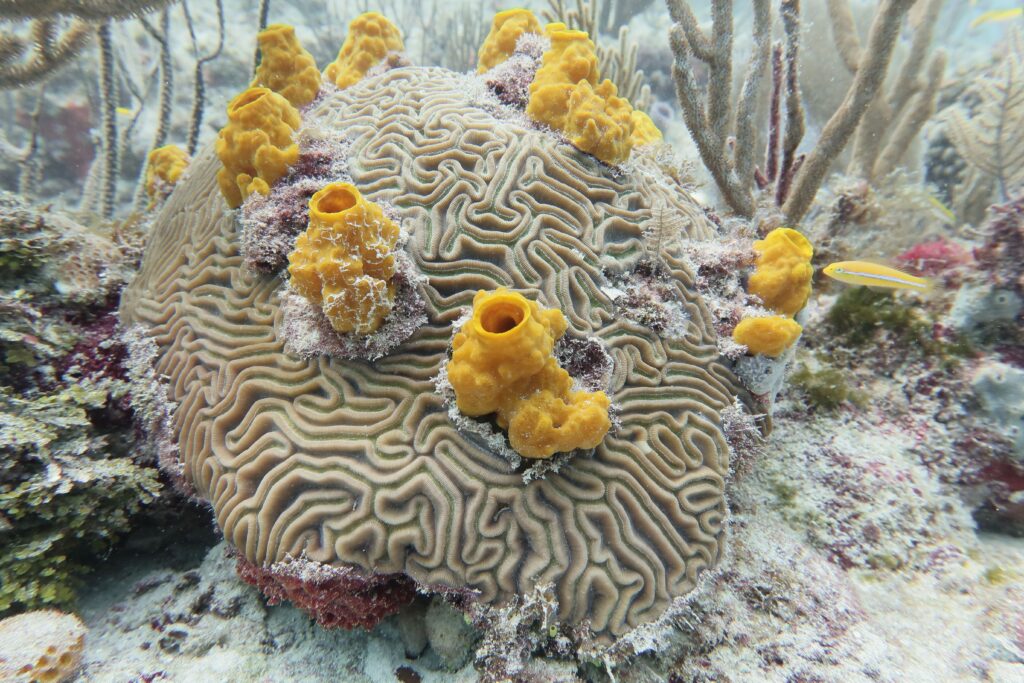
2. The Sponge Ambusher Worm (Eunice siphoninsidiator)
Discovery Location: Northwest Pacific Ocean (Underwater Seamounts)
Depth Discovered: ~1,000 meters
The Details: Collected by the Human Operated Vehicle (HOV) Jiaolong, this newly classified polychaete worm is a close relative of the infamous three-meter-long Bobbit Worm. While the Sponge Ambusher is smaller—measuring roughly 18 centimeters—it shares the same terrifying predatory lifestyle.
It has evolved a complex, symbiotic “life in a glass castle”. It sets its trap inside the central cavity of glass sponges, whose sharp, crystalline silica spicules act like a protective fortress made of glass thorns. From this concealed bunker, the worm shoots out its powerful, spring-loaded jaws to snatch passing prey. In exchange for housing, it acts as a bodyguard, eating parasitic brittle stars and barnacles to keep the host sponge clean and feeding efficiently.
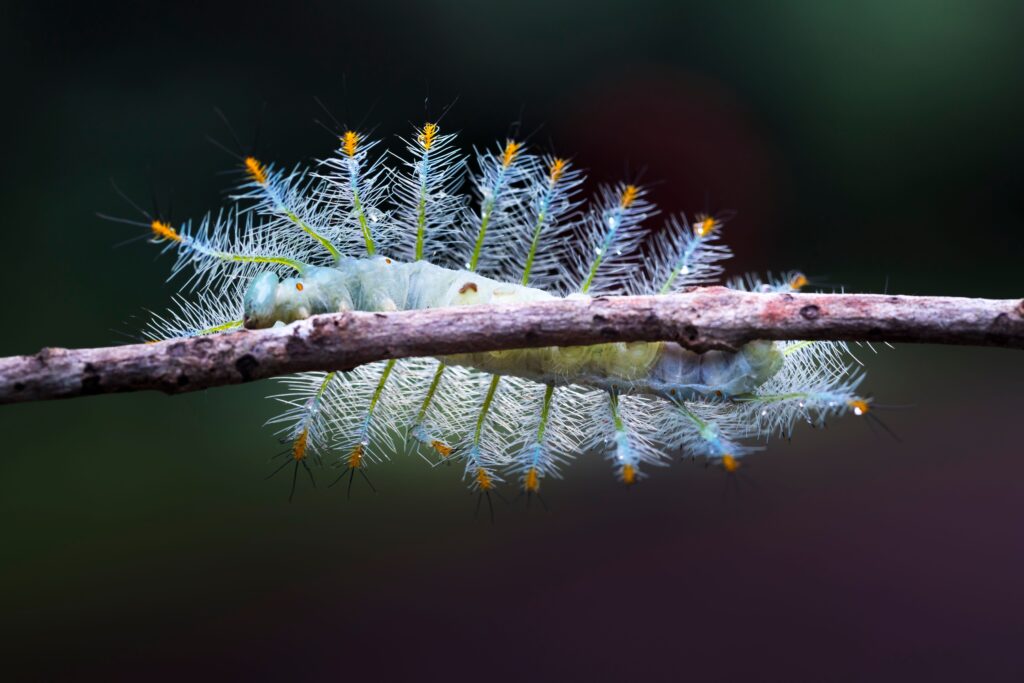
3. The New Brazilian Gossamer Worm (Tomopteris sp.)
Discovery Location: Tropical South Atlantic Ocean (Off the coast of Brazil)
Depth Discovered: Open midwater column
The Details: Documented by the Schmidt Ocean Institute’s ROV SuBastian, this transparent polychaete worm lives its entire life in the water column. What makes this specific new species of Tomopteris so fascinating to marine biologists is its locomotion.
Based on its delicate, gelatinous body shape, physics suggests it should drift slowly; instead, it moves through the pitch-black midwater at astonishingly high speeds to evade predators and capture prey. It utilizes specialized paddle-like parapodia that slice through the water, leaving a trace of brilliant bioluminescence when disturbed.
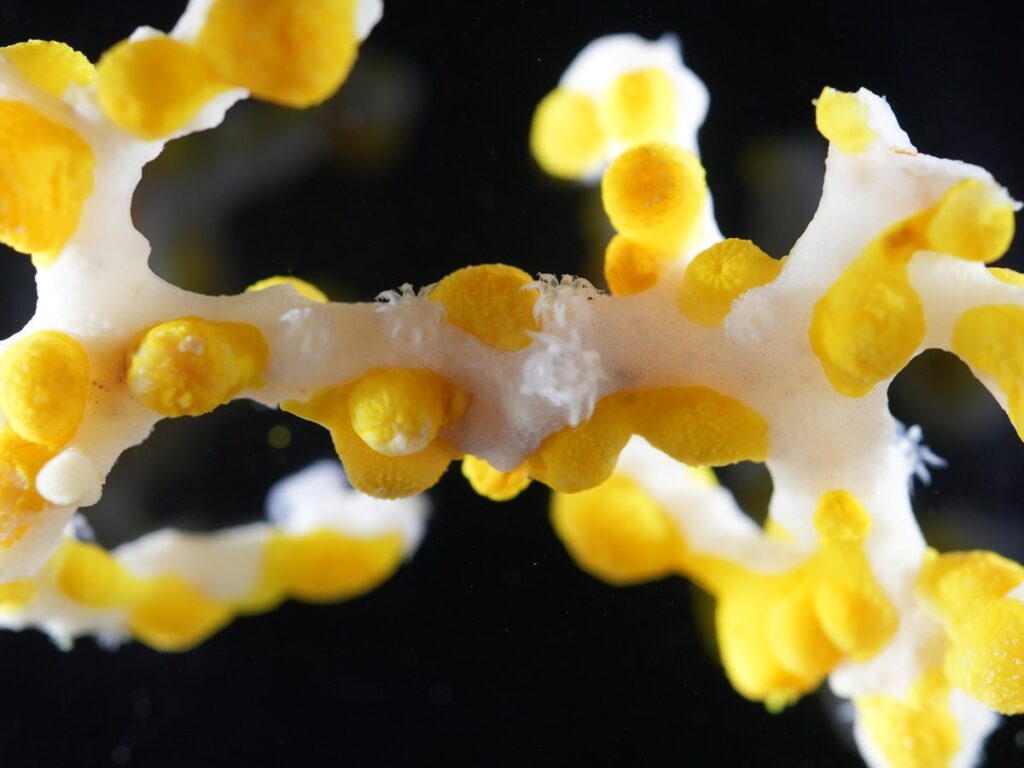
4. The Golden Glow Zoantharian (Corallizoanthus aureus)
Discovery Location: Subterranean deep-sea cave, Japan
Depth Discovered: 385 meters
The Details: This species represents a massive scientific milestone: it is the first documented deep-sea cave organism known to bioluminesce. When subjected to mechanical or chemical disturbance, this brilliant anemone-like creature flashes a intense 515-nanometer green-to-gold light.
Living in absolute, permanent darkness within underwater caves, the Corallizoanthus aureus uses its glowing properties as a defensive mechanism to startle potential cave predators, or perhaps to attract microscopic prey to its stinging tentacles in an otherwise nutrient-starved micro-habitat.
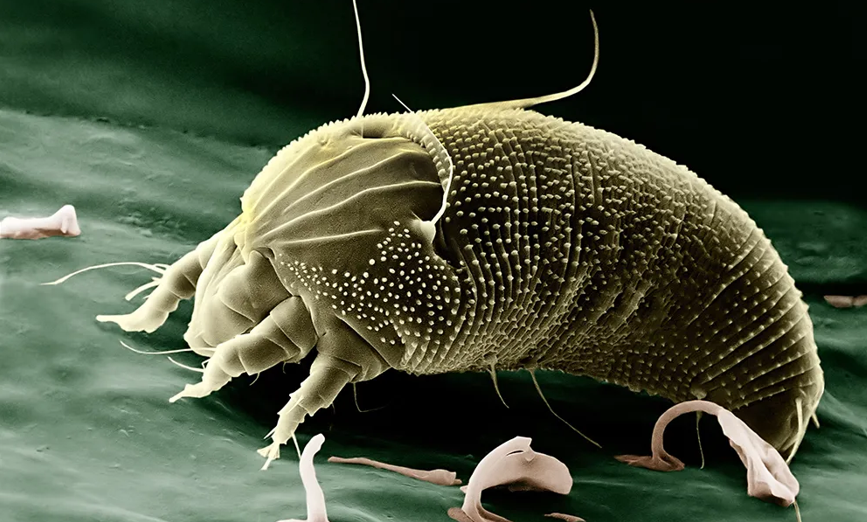
5. The Dragon Nematode (Dracograllus miguelitus)
Discovery Location: Mid-Atlantic Ridge (“Lucky Strike” vent field)
Depth Discovered: 1,649 meters
The Details: While most nematodes conform to basic, simple tubular body plans that burrow blindly inside soft mud, this bizarre new micro-animal is uniquely specialized.
Discovered clinging to the harsh, mineral-rich rocky crust of inactive hydrothermal vents, the Dragon Nematode features robust, leg-like structures that allow it to grip hard substrates and actively “crawl” across rock faces like an insect. Its highly armored cuticle and specialized gripping pads allow it to withstand intense hydrothermal pressures and navigate areas rich in toxic heavy metals.
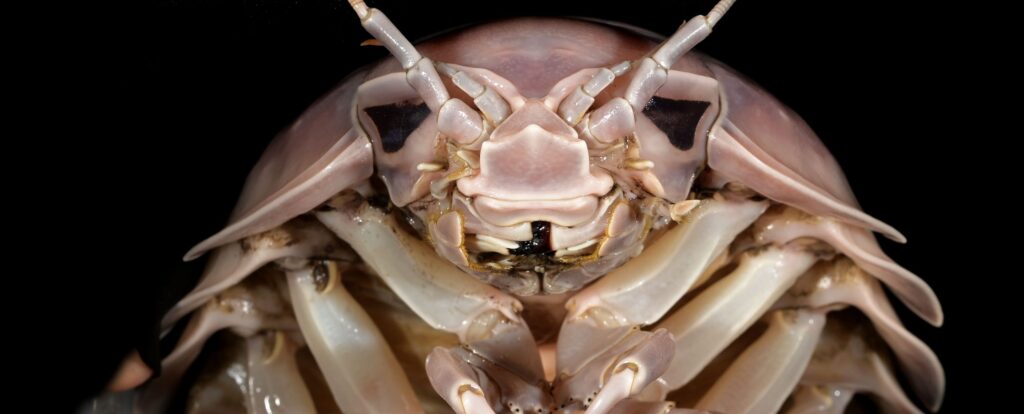
6. The Darth Vader Supergiant Isopod (Bathynomus vaderi)
Discovery Location: Coast of Vietnam
Depth Discovered: Abyssal zone
The Details: Dubbed the “Darth Vader” bug due to its smooth, dark, protruding head shield that closely resembles the iconic cinematic helmet, this creature is an evolutionary marvel of deep-sea gigantism.
While land isopods (like pill bugs) grow to only a few millimeters, Bathynomus vaderi reaches massive proportions. It functions as a crucial deep-sea scavenger, using its heavily armored exoskeleton to survive the crushing pressure while consuming large whale falls and fish carcasses that sink to the ocean floor.
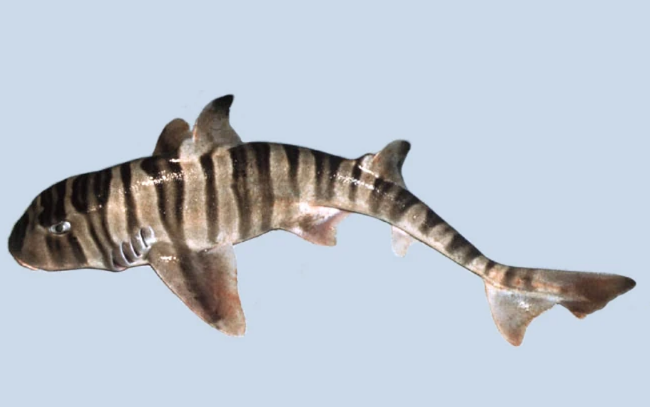
7. The Painted Hornshark (Heterodontus marshallae)
Discovery Location: Gascoyne Marine Park, Western Australia
Depth Discovered: 210 – 212 meters
The Details: This beautifully patterned elasmobranch is the largest new species described from the Australian RV Investigator voyages, measuring roughly 600 millimeters in length.
For years, it was completely misclassified and mistaken for a shallow-water relative. Genetic and morphological reclassification by the Australian National Fish Collection revealed it as a genetically distinct deep-sea species. It is characterized by striking dark bands across its tan hide and possesses heavy, spine-like structures in front of its dorsal fins to protect it from larger deep-water predators.
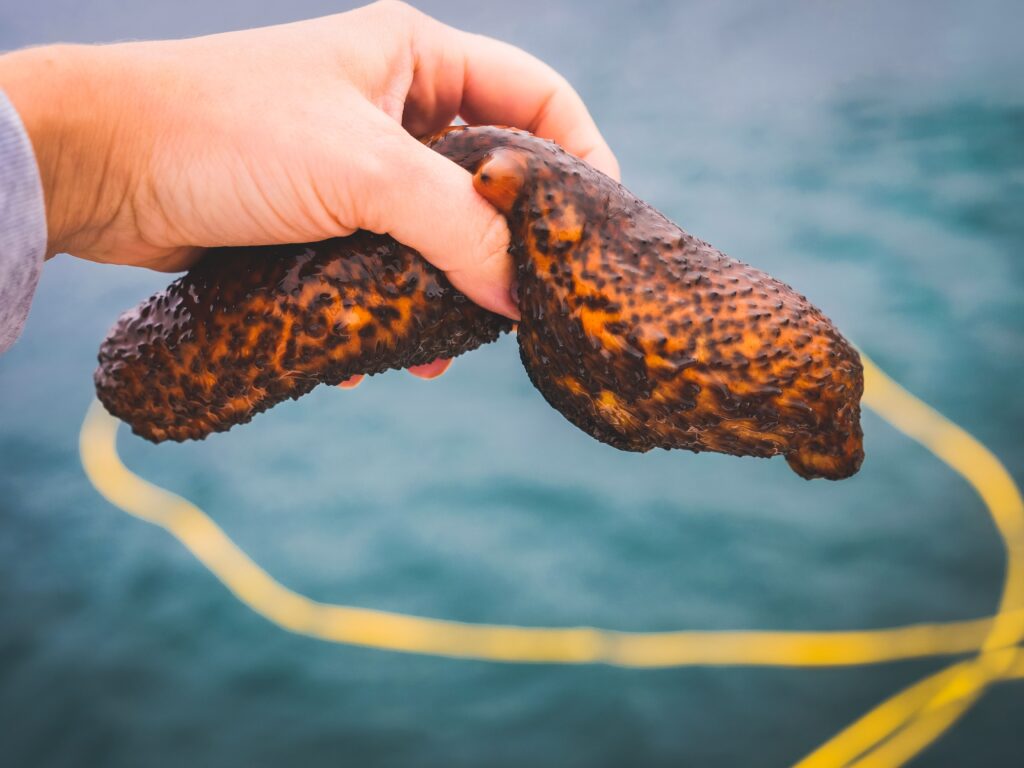
8. O’Loughlin’s Sea Cucumber (Deima oloughlini)
Discovery Location: Cocos (Keeling) Islands, Indian Ocean
Depth Discovered: 1,175 – 1,896 meters
The Details: Described by researchers as one of the “cutest” deep-sea discoveries, this oval-shaped, soft-bodied echinoderm measures roughly 110 millimeters long.
Its body is entirely covered in specialized, leg-like extensions: it boasts 10 main pairs of walk-legs on its underside and roughly 20 tube-like papillae stretching across its back. This creature plays a critical ecological role as an abyssal janitor, walking across the ocean floor to filter deep-sea sediments, recycling scarce organic nutrients and keeping the benthic ecosystem healthy.
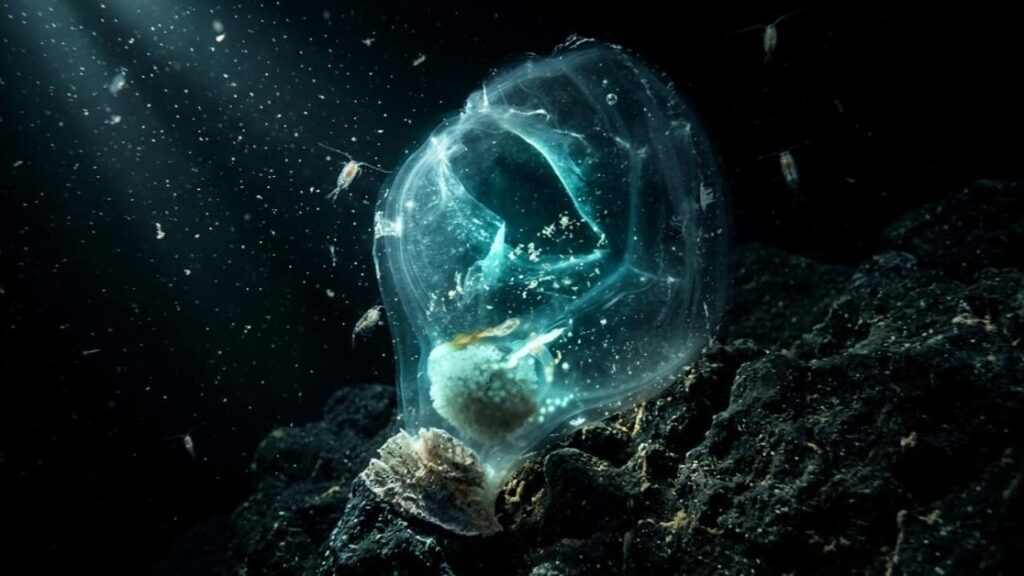
9. The Elven Abyss Tunicate (Kaikoja undume)
Discovery Location: Deep oceanic trenches
Depth Discovered: Abyssal depths
The Details: Tunicates, or sea squirts, are often sessile organisms anchored firmly to rocks. However, the newly classified Kaikoja undume is an ultra-delicate, semi-transparent tunicate adapted specifically to life in deep-sea trenches.
Lacking any heavy skeletal structures or intense pigmentations, its body resembles blown glass. It relies on deep-water currents to funnel marine snow (falling organic debris) directly into its wide, filtration siphon, operating at an incredibly low metabolic rate to conserve energy in the nutrient-scarce abyss.
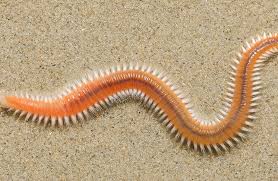
10. Giant Symbiotic Bristle Worm (Dalhousiella yabukii)
Discovery Location: Shichiyo Seamount Chain, Japan
Depth Discovered: 791 meters
The Details: Discovered during the Ocean Census JAMSTEC-Shinkai Japan expedition, this unique polychaete worm is another stunning example of specialized deep-sea symbiosis. Named after the mission’s principal investigator, Dr. Akinori Yabuki, this bristle worm lives entirely inside the internal, crystalline chambers of deep-sea glass sponges.
Because these glass sponges sit exposed on volcanic seamounts to filter food, they are highly targeted by marine parasites. The Dalhousiella yabukii spends its entire life cycle crawling within the sponge’s glass matrix, protecting its fragile host from damage while feeding on organic particles trapped by the sponge’s currents.