The idea of a global apocalypse—whether triggered by a nuclear winter, catastrophic climate collapse, an asteroid impact, or a runaway pandemic—has fueled centuries of speculative fiction. Human beings, despite our immense technological intellect, are remarkably fragile biological organisms. We require highly specific atmospheric pressures, narrow temperature bands, and an incredibly complex agricultural supply chain just to survive.
But if humanity were to vanish tomorrow under the weight of an extinction-level event, the planet wouldn’t simply become a barren, silent rock. Instead, evolutionary marvels that have spent hundreds of millions of years engineering radical survival strategies would inherit the Earth.
From deep-sea abyssal organisms to household pests, here are the top 10 animals structurally engineered to survive a global apocalypse.
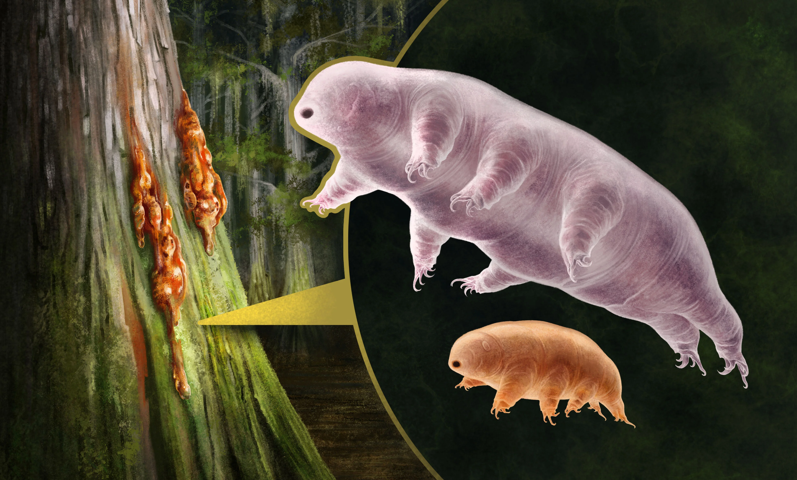
1. The Tardigrade (Water Bear)
The Apocalypse Scenario: Gamma-ray bursts, extreme cosmic radiation, absolute freezing, or intense boiling.
Survival Mechanism: Cryptobiosis (Total Metabolic Suspension).
Often topping the list of nature’s most indestructible organisms, the microscopic tardigrade is practically immune to extinction. Measuring less than a millimeter in length, these eight-legged micro-animals can survive conditions that would instantly liquefy human DNA.
When faced with environmental stress, the tardigrade enters a state called cryptobiosis. It expels up to 99% of the water from its body, retracts its head and limbs, and shrivels into a death-like state known as a “tun.” In this state, it replaces its internal water with unique protective proteins that turn its cellular interior into a literal glass matrix, preventing its cell walls from rupturing.
Tardigrades can withstand temperatures as low as $-272^\circ\text{C}$ (just a fraction above absolute zero) and as high as $150^\circ\text{C}$. They have been exposed to the vacuum and raw solar radiation of outer space and returned completely unharmed. Even if an asteroid boiled the Earth’s oceans, the tardigrade would simply wait out the thousands of years it would take for the planet to cool down.
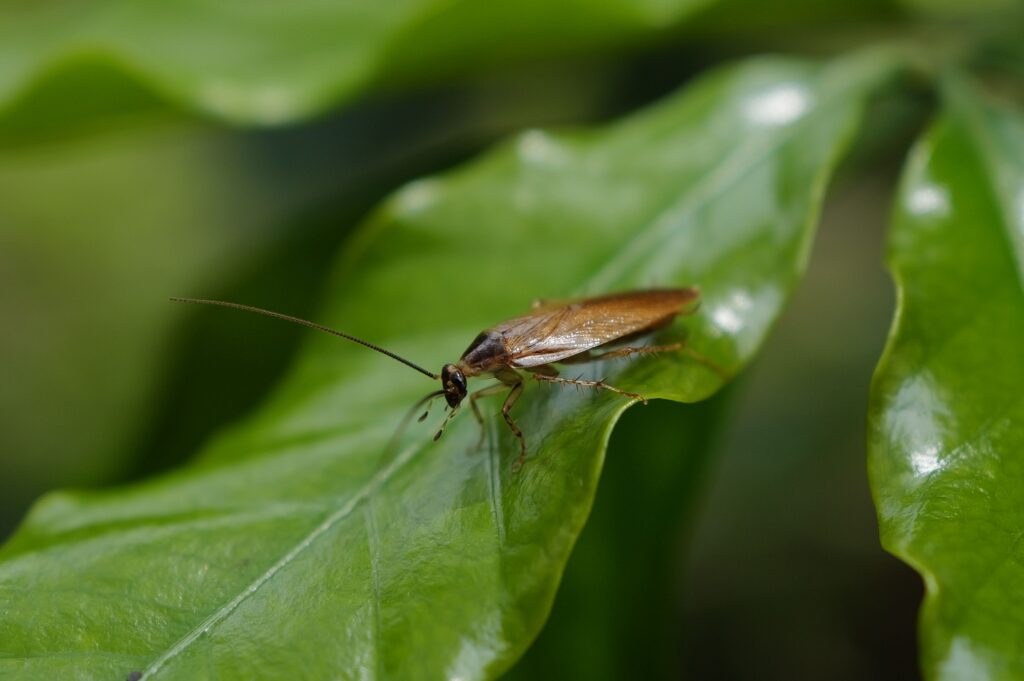
2. The Cockroach
The Apocalypse Scenario: Nuclear fallout and widespread radioactive contamination.
Survival Mechanism: Slow Cellular Division and High Radiation Tolerance.
The urban legend that cockroaches will inherit a post-nuclear world is rooted in concrete evolutionary biology. While a nuclear blast itself would incinerate cockroaches just like any other organism, they would easily survive the subsequent lethal wave of ionizing radiation that would slowly kill off the surviving human population.
Human beings are highly vulnerable to radiation because our cells are constantly and rapidly dividing, particularly in our bone marrow and gastrointestinal tract. Radiation mutates DNA during this highly sensitive division phase. Cockroaches, however, only molt and undergo cellular division about once a week.Because their cells are mostly static at any given moment, they can withstand radiation doses up to 10 to 15 times higher than what is universally fatal to humans. Furthermore, their highly indiscriminate omnivorous diet means they can subsist on organic matter ranging from dead wood and leather to industrial paste and paper, allowing them to thrive in a collapsed infrastructure.
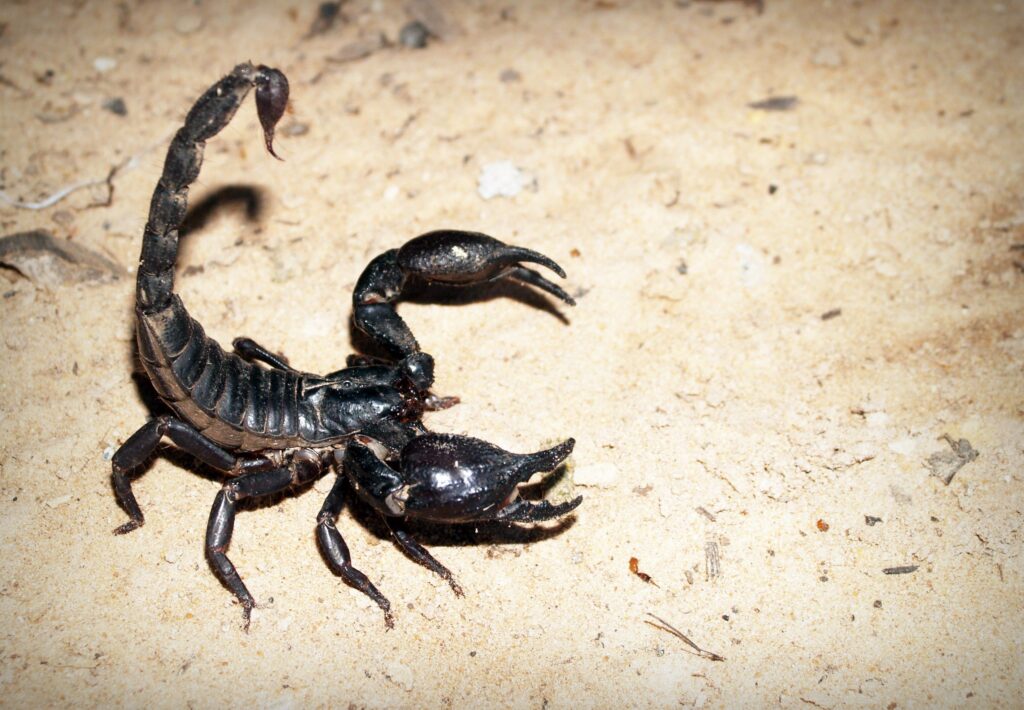
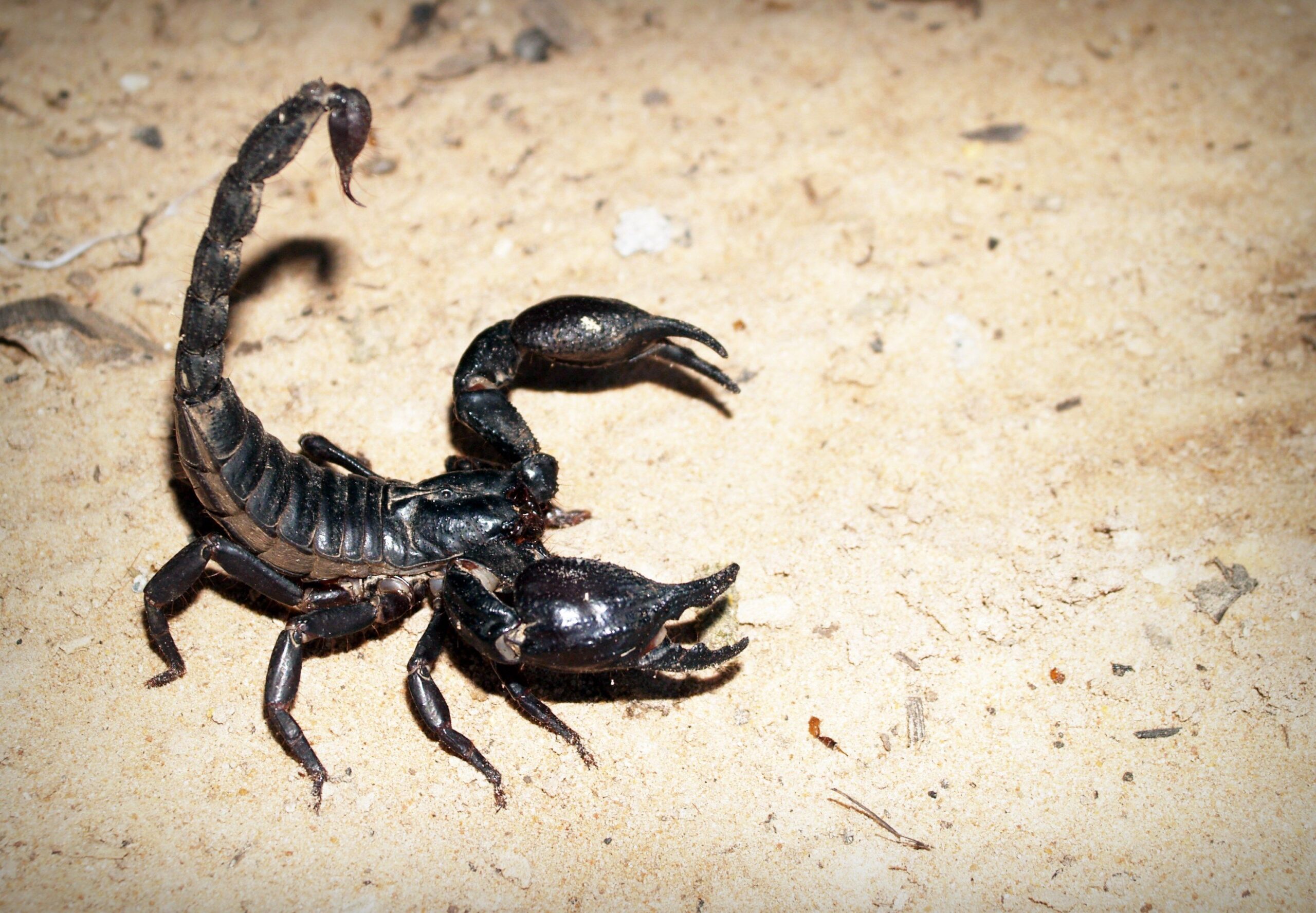
3. The Scorpion
The Apocalypse Scenario: Extreme desertification, nuclear winter, and severe UV radiation.
Survival Mechanism: Metabolic Downturn and Exoskeleton Fluorescence.
Scorpions are survival machines sculpted by over 400 million years of evolutionary fine-tuning. They are uniquely equipped to handle a dual-threat apocalypse: the blinding heat of a runaway greenhouse effect or the deep freeze of a nuclear winter.
Scorpions can survive a nuclear winter by slowing their metabolic rate to a mere fraction of normal levels. A scorpion can live for an entire year on a single insect, requiring virtually no oxygen or water intake during resource droughts. Furthermore, if they are completely frozen solid under a layer of ice for weeks, they will slowly thaw out in the sun, shake off the ice, and walk away entirely uninjured.
Their heavy, multi-layered exoskeletons also act as a physical shield against dangerous ultraviolet and ionizing radiation, fluorescing under UV light to absorb and neutralize harmful wavelengths.
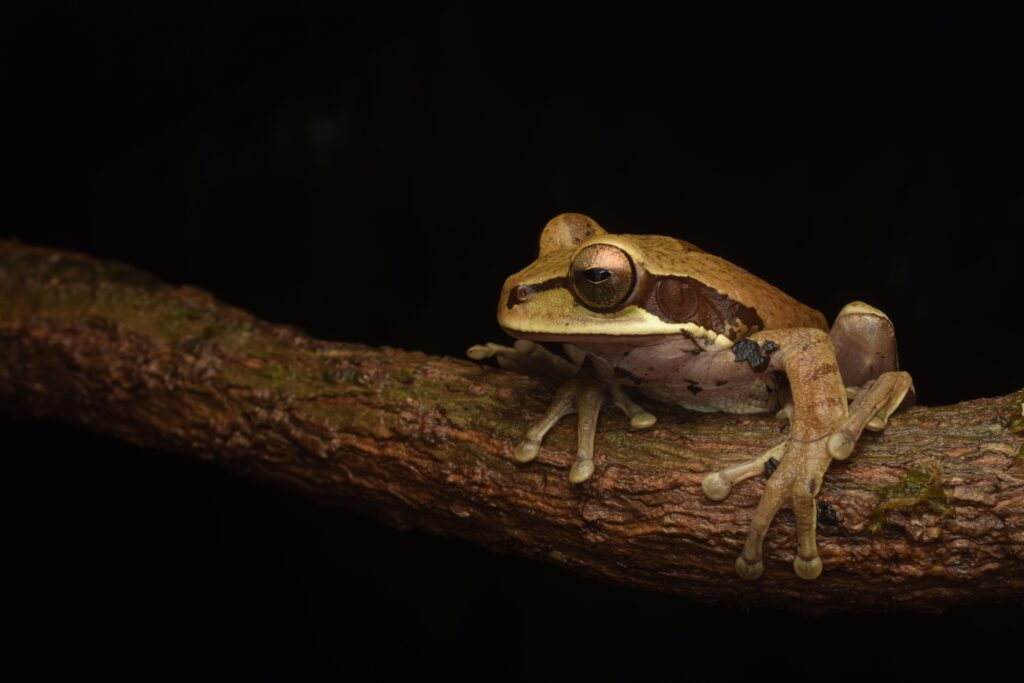
4. The Wood Frog
The Apocalypse Scenario: Planetary ice age or severe atmospheric freezing.
Survival Mechanism: Natural Cryoprotectant (Antifreeze) Production.
If an atmospheric veil blocks out the sun, plunging the planet into a sudden, global Ice Age, the North American wood frog (Lithobates sylvaticus) is uniquely positioned to handle the freeze.
When winter approaches, the wood frog doesn’t try to burrow below the frost line like other amphibians. Instead, it allows its body to freeze solid. Up to 70% of the water inside the frog’s body turns to solid ice. Its heart stops beating completely, its blood circulation halts, and its lungs stop breathing. Physically, the frog is clinically dead.
The secret to this miraculous survival trick lies in its liver. The moment ice crystals touch the frog’s skin, its liver floods its bloodstream with massive amounts of glucose and urea. This sugary syrup acts as a natural cryoprotectant, lowering the freezing point inside the cells. This ensures that while water freezes around the cells, the delicate interior structure of the cells never crystallizes or ruptures. When spring returns, the frog thaws from the inside out, its heart restarts, and it hops away within hours.
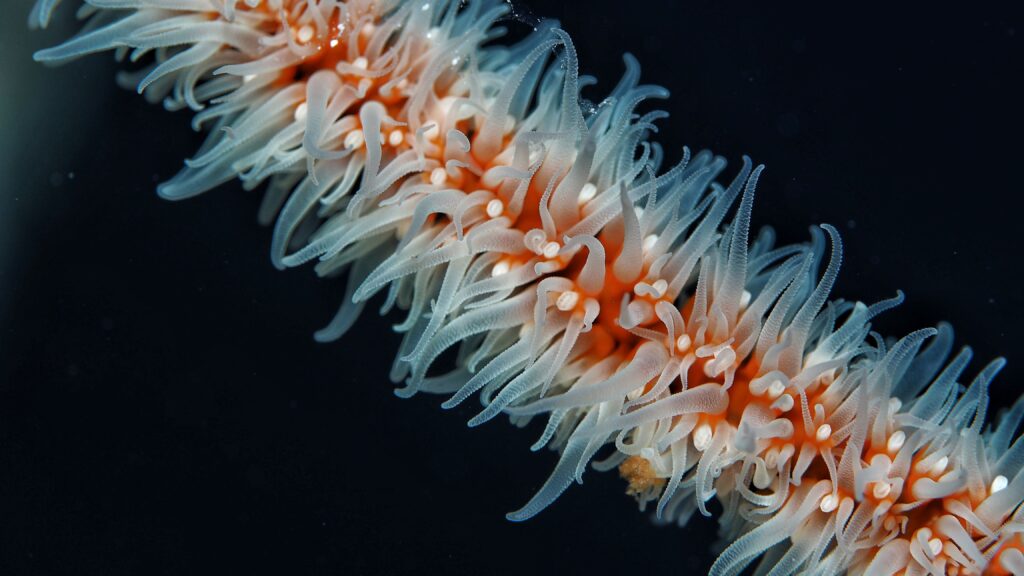
5. The Deep-Sea Hydrothermal Vent Worm (Riftia pachyptila)
The Apocalypse Scenario: Surface collapse, total solar failure, or atmospheric incineration.
Survival Mechanism: Chemosynthesis (Complete Independence from the Sun).
Most life on Earth is fundamentally tethered to the sun. If an apocalyptic event blocks out sunlight—destroying global plant life and collapsing the food chain—nearly all terrestrial ecosystems will collapse. However, miles beneath the ocean surface, deep-sea hydrothermal vent worms wouldn’t even notice.
Living along volcanic rifts in the ocean floor, these giant tube worms survive in a pitch-black environment under crushing hydrostatic pressure. They have absolutely no mouth, gut, or digestive tract. Instead, they survive via a symbiotic relationship with billions of specialized bacteria living inside an internal organ called a trophosome.
These bacteria utilize chemosynthesis rather than photosynthesis. They convert the highly toxic hydrogen sulfide and methane spewing out of the earth’s crust into usable chemical energy for the worm. Because their entire ecosystem relies strictly on geothermal energy from the Earth’s molten core, their survival is completely divorced from whatever ecological catastrophes happen on the surface.
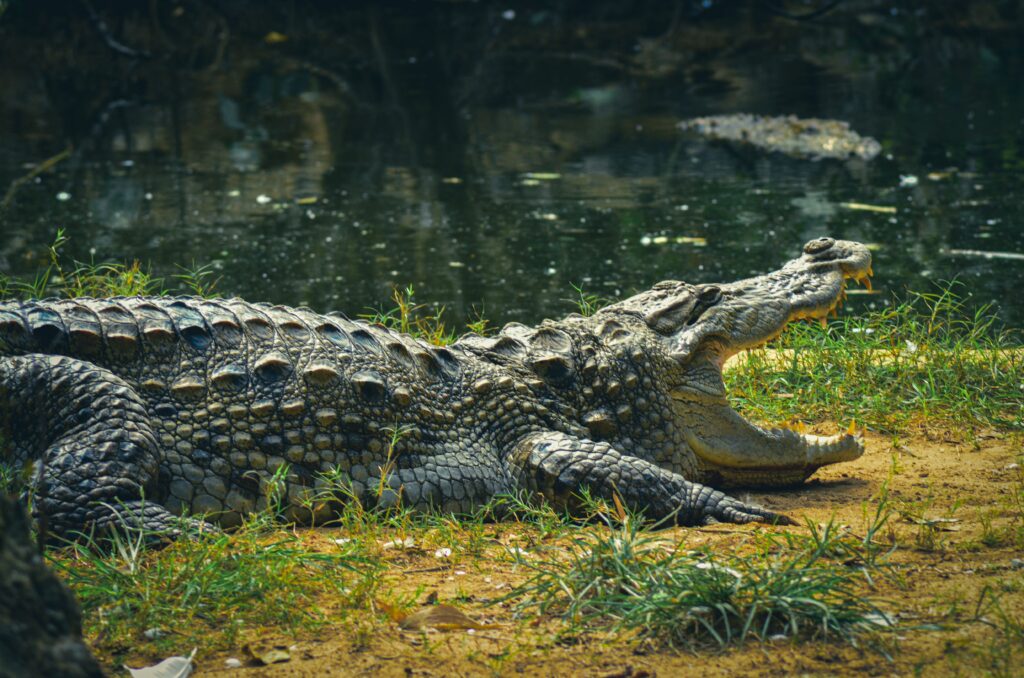
6. The Crocodile & Alligator
The Apocalypse Scenario: Mass extinction events and prolonged famine.
Survival Mechanism: Ectothermic Efficiency and Apex Adaptability.
Crocodilians are literal living dinosaurs, having successfully survived the Cretaceous-Paleogene extinction event 66 million years ago that wiped out the Tyrannosaurus Rex and three-quarters of all life on Earth.
As ectotherms (cold-blooded animals), crocodilians don’t burn metabolic energy to generate internal body heat. This makes them extraordinarily efficient compared to mammals. If food becomes scarce during an ecosystem collapse, a large crocodile can enter a dormant state, lower its heart rate, and survive for over a year without a single meal.
Their robust immune systems are also highly resistant to severe infections and heavy environmental toxins, allowing them to feed on rotting carrion and hunt in highly contaminated waters that would poison other apex predators.
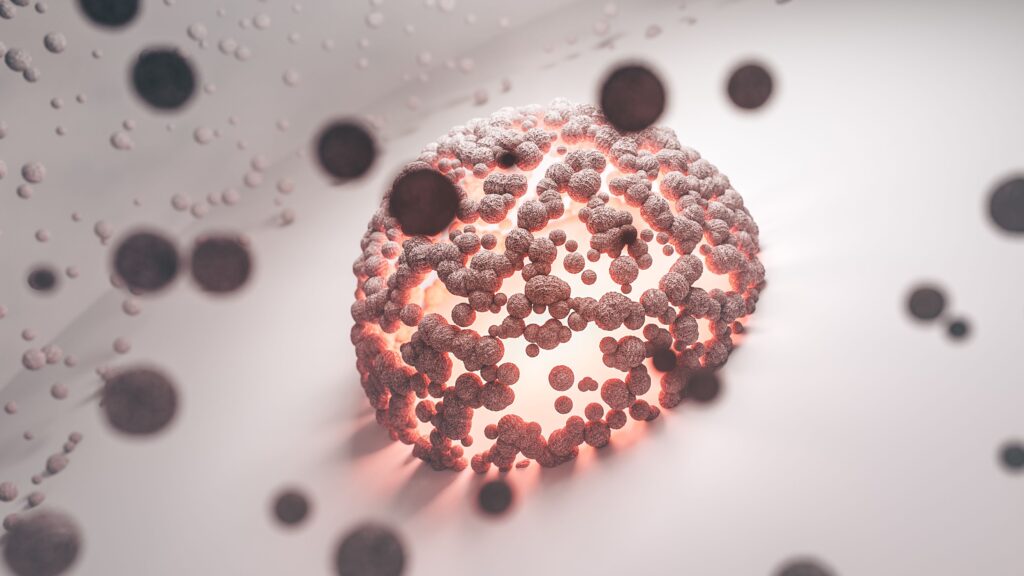
7. The Deinococcaceae Bacterium (Deinococcus radiodurans)
The Apocalypse Scenario: Extreme radioactive fallout and complete cellular dehydration.
Survival Mechanism: Rapid, Automated Multi-Copy DNA Repair.
Nicknamed “Conan the Bacterium,” Deinococcus radiodurans is listed in the Guinness Book of World Records as the world’s most radiation-resistant lifeform. To put its resilience into perspective: a dose of 10 Grays (Gy) of radiation is fatal to a human. A dose of 1,000 Gy can instantly kill a cockroach. Deinococcus radiodurans can withstand an astonishing 15,000 Gy without its population dropping.
Ionizing radiation shatters an organism’s genetic code into thousands of broken, useless fragments. Most organisms cannot rebuild their genome from such severe damage. Deinococcus radiodurans, however, maintains between four and ten identical copies of its genome arranged in tight, concentric rings.
When exposed to extreme radiation, its specialized repair proteins immediately scan the broken fragments, cross-reference them against the undamaged backup copies, and stitch its entire DNA strand back together in just a few hours. This rapid self-healing mechanism makes it immune to the worst nuclear and cosmic disasters imaginable.
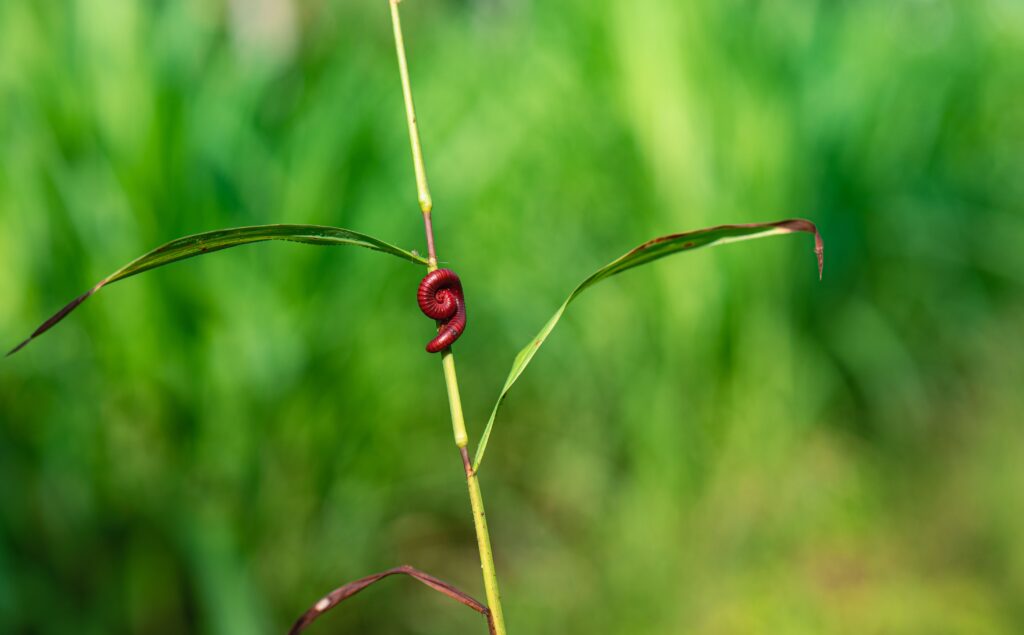
8. The Nematode (Roundworm)
The Apocalypse Scenario: Total planetary drought, toxic soil saturation, and oxygen depletion.
Survival Mechanism: Anhydrobiosis and Subterranean Dominance.
Nematodes are arguably the most numerically abundant animals on the planet, accounting for roughly 80% of all individual animals on Earth. They can be found in almost every conceivable environment, from the deep Antarctic ice sheets to toxic sulfur pools.
If a global drought turns the surface soil into a desert, many nematode species can trigger a process called anhydrobiosis, allowing them to lose nearly all their body moisture and enter an indefinite state of suspended animation. They can remain dried out for decades, reviving the instant they come into contact with a single drop of water.
In 2018, scientists successfully revived nematodes that had been frozen in the Siberian permafrost for over 40,000 years, proving that these simple organisms can easily outlast human civilizations.
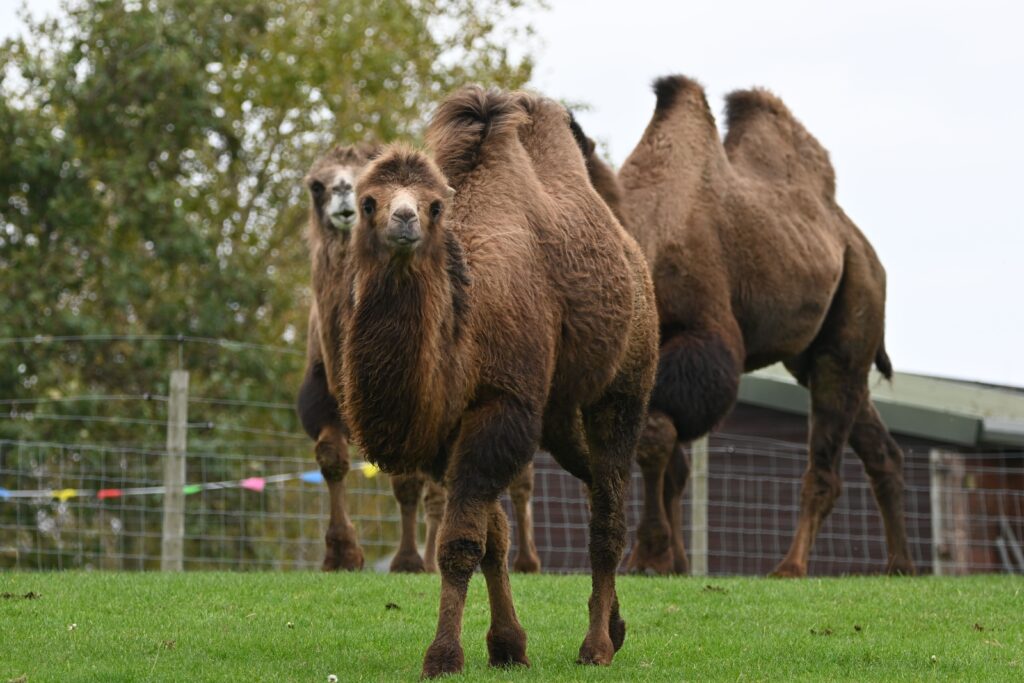
9. The Camel
The Apocalypse Scenario: Hyper-desertification and global water scarcity.
Survival Mechanism: Advanced Physiological Thermoregulation and Oval Erythrocytes.
If the apocalypse takes the form of severe global warming, turning temperate regions into blistering deserts, the camel is the ultimate mammalian survivor.
Camels are meticulously engineered to conserve moisture. Contrary to popular belief, their humps don’t hold water; they store up to 80 pounds of dense fatty tissue. By concentrating their body fat into a single location on their back, they avoid insulation across the rest of their body, allowing heat to escape freely at night.
A camel can lose up to 30% of its total body water weight without suffering a medical crisis (a 15% loss is fatal to a human). Their red blood cells (erythrocytes) are uniquely oval-shaped rather than circular. This shape allows the cells to expand to up to 240% of their initial volume when water is available, and ensures that their blood keeps flowing smoothly through their veins even when it becomes dangerously thick from extreme dehydration.
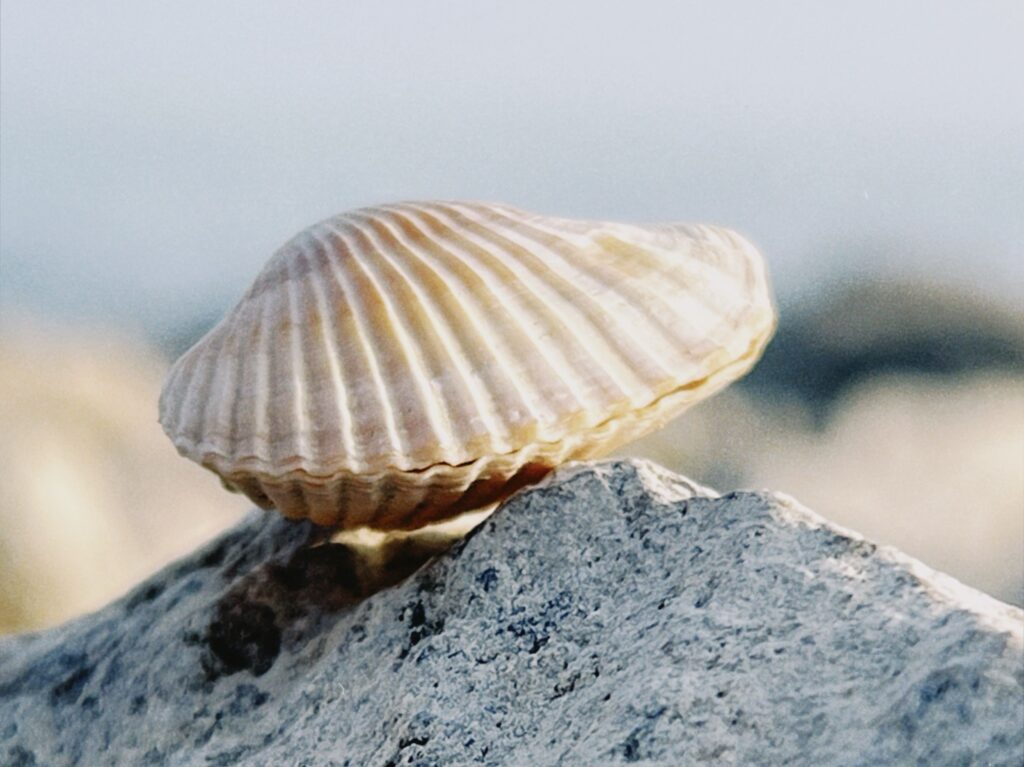
10. The Brachiopod (Lamp Shell)
The Apocalypse Scenario: Ocean acidification and mass marine die-offs.
Survival Mechanism: Low-Metabolic Burrowing and Shell Resilience.
Brachiopods look similar to standard clams, but they belong to an entirely different, ancient lineage of marine invertebrates. They are the ultimate survivors of ocean history, having comfortably ridden out the “Great Dying” (the Permian-Triassic mass extinction) 252 million years ago, which successfully wiped out over 96% of all marine species.
Brachiopods survive global ocean catastrophes by anchoring themselves deep into muddy sea floors and reducing their oxygen consumption to near-zero levels. Their shells are composed of highly durable calcium phosphate or chitinous matrices that are remarkably resistant to ocean acidification. While complex marine ecosystems like coral reefs and predatory fish are highly sensitive to sudden changes in water chemistry, the simple, patient brachiopod simply locks its shell shut and waits out the millennia until the oceans stabilize once again.